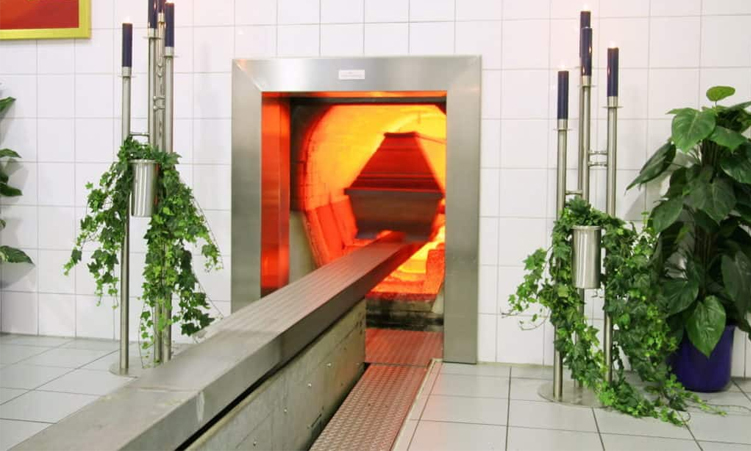
Death is an inevitable part of life, but what happens after it doesn't always have to follow tradition. The City of Windhoek is grappling with a pressing urban challenge: the city simply doesn't have enough cemetery space for its residents.
Each year, Windhoek records approximately 960 burials. That's nearly three people per day finding their final resting place in the city's cemeteries. When you do the math over decades, it becomes clear why city officials are sounding the alarm about dwindling burial space.
Out of Windhoek's seven cemeteries, several are already reaching or have exceeded capacity. This isn't a distant future problem—it's happening now. The municipality has therefore made a significant shift in its public messaging, actively encouraging residents to consider cremation as a viable alternative to traditional burial.
It's a delicate topic to broach. Burial practices are deeply tied to cultural traditions, religious beliefs, and family customs. For many communities, the ritual of interment is non-negotiable. Yet the City of Windhoek is presenting a practical argument: if we don't adapt, we won't have space for everyone who needs it.
**Why This Matters Beyond Windhoek**
This challenge isn't unique to Namibia's capital. Cities around the world are facing similar pressures as urban populations grow and available land becomes increasingly precious. Windhoek's willingness to openly discuss cremation as an alternative suggests a pragmatic approach to a problem that many municipalities are tip-toeing around.
The conversation also reflects broader demographic and urbanization trends. As cities expand and populations concentrate in urban centers, the traditional model of cemetery expansion becomes unsustainable. Land that could accommodate hundreds of graves in a rural setting becomes a luxury in a bustling city.
**Moving Forward**
The municipality's approach signals that end-of-life planning may need to evolve alongside our cities. This doesn't mean abandoning tradition entirely—many families can honor their loved ones through cremation while maintaining meaningful memorial practices that align with their beliefs.
What's encouraging is that Windhoek is proactively addressing this issue rather than waiting until cemeteries are completely full. By giving residents advance notice and presenting alternatives now, the city is allowing families time to make informed decisions.
For residents, this is an opportunity to reconsider what honoring loved ones really means. For the city, it's a chance to manage growth sustainably. And for other cities watching this unfold, Windhoek is providing a valuable lesson in how to tackle difficult conversations about death, space, and the future of our communities.
The conversation may be uncomfortable, but it's a necessary one—and Windhoek is leading the way.
No comments yet. Be the first!