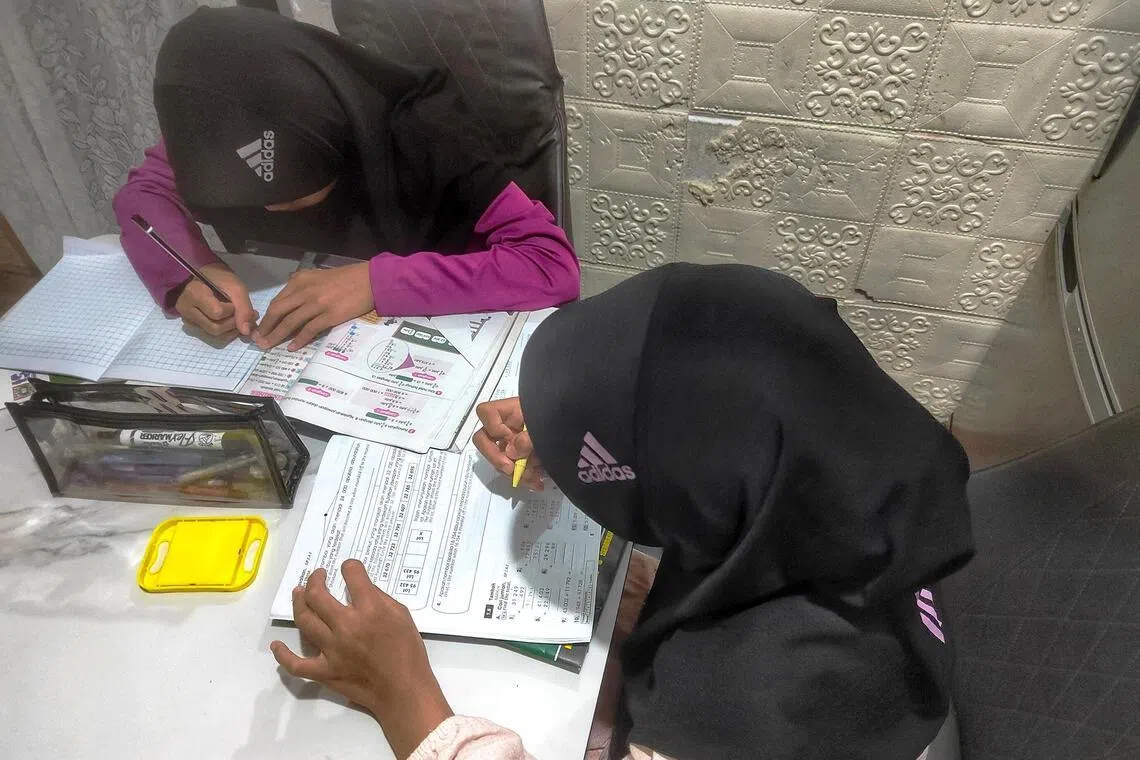
Imagine being a child in Malaysia with dreams of academic success, yet lacking the basic tools to learn. For many families living in public housing, this isn't imagination—it's daily reality. In a modest two-bedroom flat in Kuala Lumpur, four siblings aged eight to twelve gather around a small dining table each evening, waiting to take turns using a single smartphone for their homework. Their story is just one of thousands reflecting a pressing issue that rarely makes headlines: digital poverty.
The COVID-19 pandemic exposed what many already knew—access to technology isn't equal in Malaysia. While some students have personal laptops and high-speed internet, others must navigate a digital education system with devices meant for entertainment, unreliable connections, and overcrowded schedules. The consequences are far-reaching and deeply concerning.
Digital poverty extends beyond the simple lack of gadgets. It encompasses insufficient internet bandwidth, outdated equipment, and the inability to afford subscription costs. For students in lower-income households, these barriers translate into missed learning opportunities, incomplete assignments, and widening academic gaps compared to their privileged peers. Teachers struggle to keep up with a class where half their students lack digital access, while the other half thrive online.
The problem is compounded by Malaysia's push toward technology-integrated education. Schools increasingly rely on online platforms, digital submissions, and virtual classrooms—systems that assume universal device access and connectivity. Students without these resources are effectively locked out.
What makes this crisis particularly troubling is its long-term impact. Children falling behind today become adults with limited employment prospects tomorrow. Without intervention, digital poverty perpetuates a cycle of socioeconomic disadvantage that affects not just individuals, but entire communities and Malaysia's future workforce.
Addressing this issue requires urgent, multifaceted solutions: subsidized device programs, improved internet infrastructure in underserved areas, and support for families struggling with connectivity costs. Until Malaysia tackles digital poverty head-on, thousands of bright, deserving students will continue waiting their turn at the dining table, watching opportunities slip away.
No comments yet. Be the first!