We've all heard the alarming headlines: microplastics are everywhere—in our bloodstreams, our food, our water, even the air we breathe. It's enough to make anyone anxious about invisible plastic particles infiltrating every aspect of modern life. But here's a plot twist that might ease some of those worries: scientists may have been measuring inflated levels all along, and the culprit is hiding in plain sight.
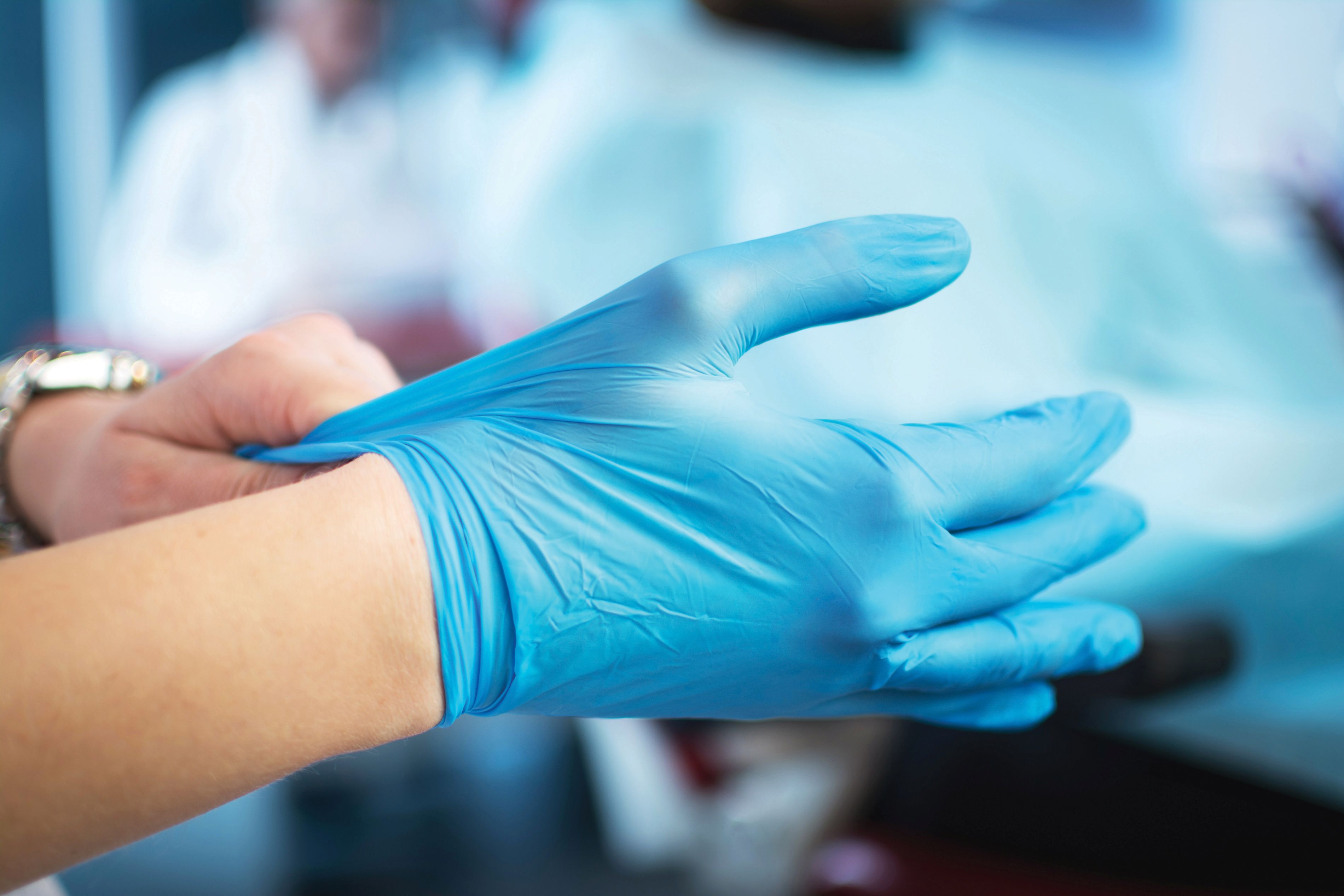
Enter the humble laboratory glove. Researchers have discovered that latex gloves commonly used during microplastic studies might be the unexpected villain contaminating test samples and skewing results. When scientists handle samples, measure particles, or conduct experiments while wearing these gloves, tiny plastic fibers shed from the gloves themselves, getting mixed into the very samples being tested.
This contamination issue represents a significant challenge in microplastics research. The particles are so small and ubiquitous that distinguishing between actual environmental microplastics and those accidentally introduced during testing is extremely difficult. Lab gloves aren't the only culprit either—other equipment and procedures can introduce contamination, but gloves appear to be a major source that hasn't been adequately controlled for in many studies.
What does this mean for all those concerning studies we've read? It suggests that some published findings may have reported higher microplastic levels than actually exist in nature. This doesn't mean microplastics aren't a real environmental problem—they absolutely are—but it does indicate that the true scope of contamination might be somewhat less severe than currently reported.
The silver lining? This discovery is already prompting the scientific community to develop stricter protocols and better contamination-control measures. Researchers are exploring alternative glove materials, improved testing procedures, and more rigorous quality controls to ensure future studies provide accurate data.
As with much of science, this finding demonstrates the importance of scrutinizing methodology and being willing to revisit conclusions when new evidence emerges. We're getting a clearer, more accurate picture of the microplastics problem—and sometimes that picture is less dire than we feared.
No comments yet. Be the first!