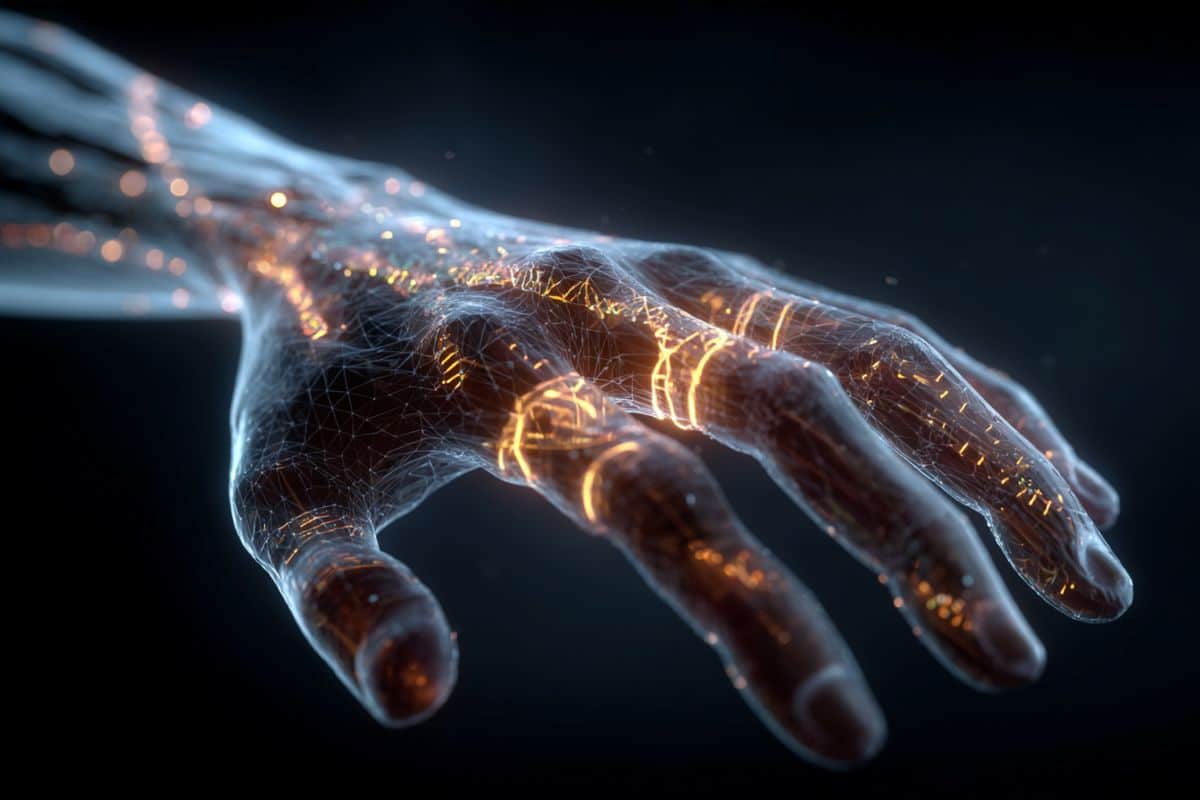
Imagine a future where losing a finger, hand, or limb isn't permanent—where the human body could regenerate these body parts just like a starfish regrows an arm. While that future isn't here yet, scientists just took a monumental step toward making it possible.
In a landmark cross-species study, researchers have identified what they're calling a "universal genetic program" that drives limb regeneration. By comparing axolotls (those fascinating aquatic salamanders known for their regenerative superpowers), zebrafish, and mice, scientists discovered that a specific family of genes—the SP gene family, particularly SP8—is fundamental to triggering regeneration across different species.
What makes this discovery truly revolutionary is its universality. Rather than finding different genetic mechanisms in different creatures, researchers uncovered a shared genetic blueprint that nature uses to rebuild lost limbs. This suggests that humans might already possess the dormant genetic instructions needed for limb regeneration—we just haven't figured out how to activate them yet.
The SP8 gene appears to act as a master switch, orchestrating a cascade of biological processes that transform a wound into a growing limb. Understanding this mechanism opens unprecedented possibilities for therapeutic intervention. Instead of hoping for spontaneous regeneration, doctors could potentially use this knowledge to trigger the same genetic program in human patients.
Of course, moving from laboratory discovery to clinical reality is a complex journey. The human body's regenerative capacity is far more limited than that of axolotls, and safely reactivating these ancient genetic programs in humans will require years of careful research and rigorous testing. But this breakthrough provides a critical roadmap for that work.
This discovery represents more than just scientific achievement—it's a reminder that nature has already solved many of medicine's greatest challenges. Sometimes, we just need to look at the right organisms to find the solutions hiding in our own genetic code. The path to human limb regeneration is still long, but researchers have just illuminated the first major milestone.
No comments yet. Be the first!