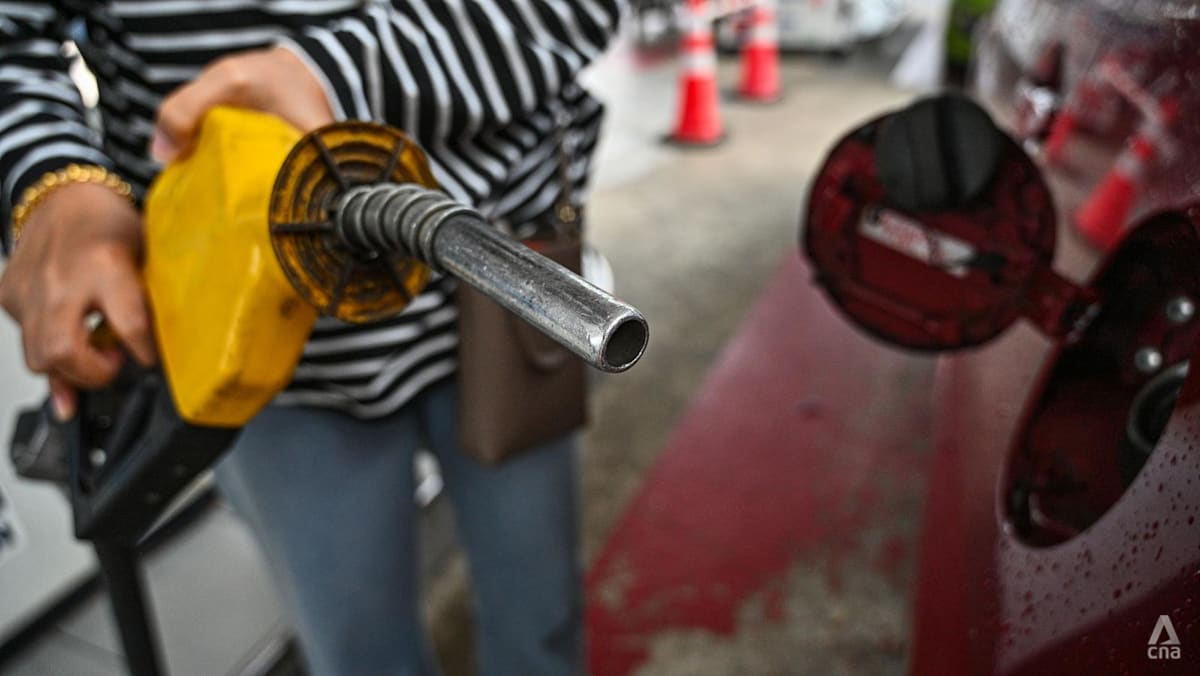
Malaysia is facing a critical challenge that many developing nations know all too well: the costly burden of fuel subsidies. As global energy prices spike, Malaysian officials have ramped up enforcement at the country's borders to crack down on smuggling operations that are siphoning off heavily subsidised fuel and controlled goods.
The problem is deceptively simple but economically damaging. Malaysia maintains generous fuel subsidies to keep domestic prices low for citizens, but this creates a lucrative black market opportunity for smugglers who buy cheap fuel domestically and sell it at market rates across the border. "Even small leakages effectively become a transfer of public funds beyond Malaysia's borders," explains one economist quoted in recent reports.
What makes this issue particularly urgent is the scale of the problem. As neighbouring countries face their own energy challenges, the price differential between Malaysia's subsidised rates and regional market prices has widened, making smuggling increasingly profitable. Criminals are becoming bolder, and the financial impact on government coffers is becoming impossible to ignore.
The Malaysian government's response includes increased border patrols, stricter vehicle inspections, and enhanced cooperation between customs and enforcement agencies. Officials are particularly focused on controlling the movement of fuel and price-controlled goods like cooking oil and flour—essential items that subsidies are meant to protect for Malaysian consumers, not export to neighbouring markets.
This crackdown represents a broader recognition that subsidies, while politically popular, come with hidden costs. Every litre of fuel smuggled out represents a direct loss to the public treasury. Multiply that by thousands of daily transactions across porous borders, and the losses become staggering.
The timing is crucial. With Malaysia's energy sector already under strain and government finances tightening, authorities understand they cannot afford to ignore this leakage. The border enforcement strategy signals that policymakers are willing to take unpopular but necessary steps to protect limited resources.
For ordinary Malaysians, this means the subsidies they depend on have a real cost—and the government is determined to ensure those benefits stay within the nation's borders where they belong.
No comments yet. Be the first!