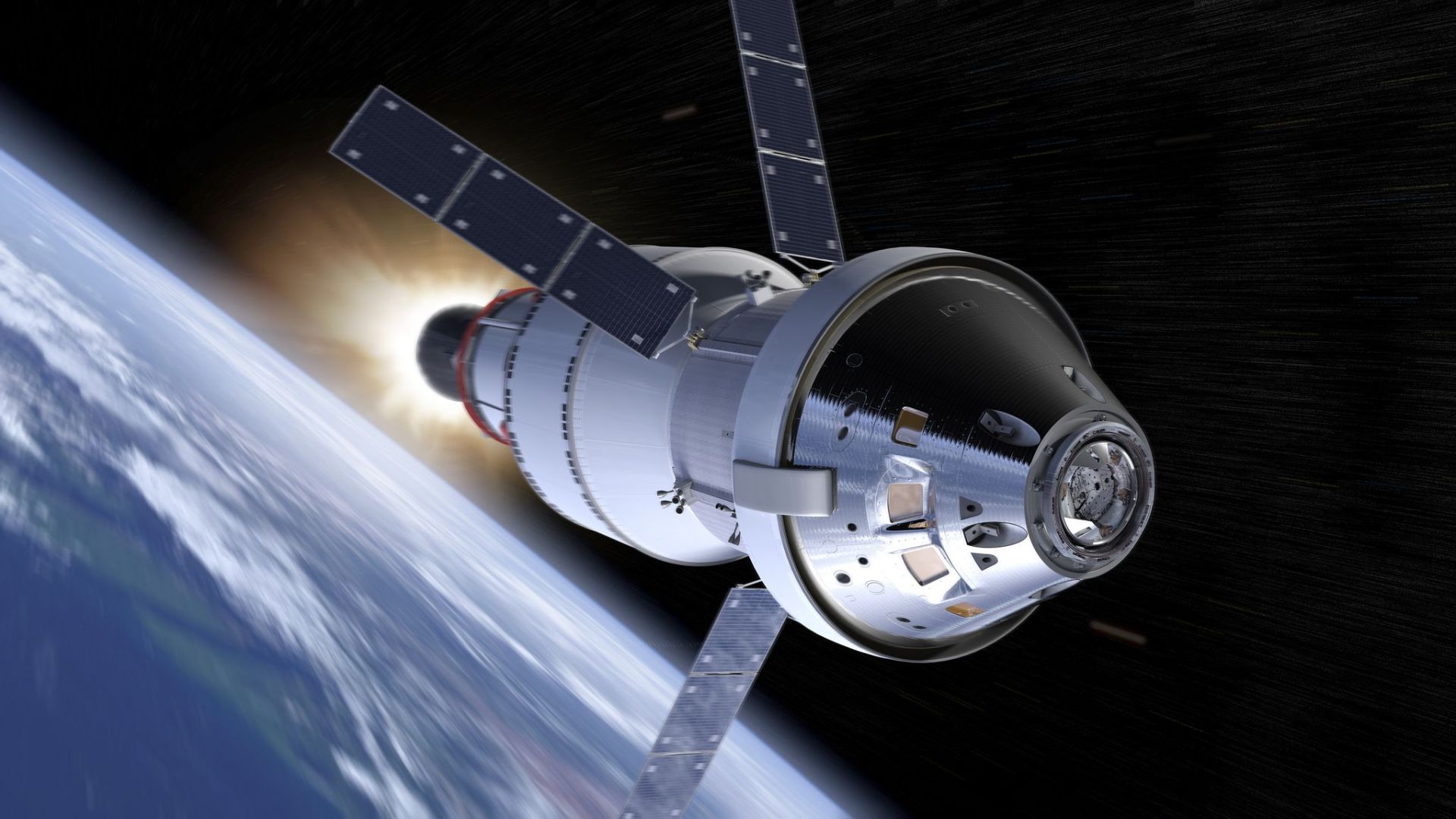
It's been over 50 years since humans last set foot on the Moon, but that's about to change. NASA's Artemis II mission represents a watershed moment in space exploration—a bold return to lunar exploration that will push the boundaries of human achievement further than any crew has traveled since the Apollo program ended.
The mission will carry four specially selected astronauts on an extraordinary journey into deep space. What makes Artemis II particularly significant is that these explorers will venture farther from Earth than any human crew has gone in the modern era. This isn't just a nostalgic trip back to the Moon; it's a statement that humanity is ready to reach beyond what we've accomplished before.
The Artemis program represents NASA's long-term vision for sustainable lunar exploration and serves as a stepping stone toward even more ambitious goals. Unlike the Apollo missions of the 1960s and 70s, which were primarily about reaching the Moon and returning home, Artemis is designed with a different philosophy in mind. The program focuses on establishing a lasting human presence on the lunar surface and preparing for eventual crewed missions to Mars.
The four astronauts selected for this mission have undergone rigorous training and preparation. These space explorers represent the best of modern space programs, bringing together expertise, courage, and dedication to this historic endeavor. Their selection reflects the careful consideration given to ensuring mission success and crew safety on this unprecedented journey.
What makes this moment particularly thrilling is the technological advancement that makes Artemis II possible. Since the Apollo era, we've made tremendous strides in spacecraft design, life support systems, navigation, and communication technology. The Artemis spacecraft and supporting infrastructure represent the cutting edge of aerospace engineering, combining lessons learned from decades of spaceflight with innovative new solutions to the challenges of deep space exploration.
The significance of returning humans to deep space cannot be overstated. For an entire generation of people, the Moon landings are part of history they've only read about or seen in archives. Artemis II will create a new chapter in space exploration, inspiring a new generation of scientists, engineers, and dreamers to push the boundaries of what's possible.
As we prepare for launch, the anticipation builds. The training is complete, the spacecraft is ready, and the world watches with bated breath. Artemis II isn't just about reaching the Moon—it's about proving that humanity's greatest achievements aren't behind us. It's about demonstrating that we can dream big, work together, and accomplish the seemingly impossible. For the four astronauts aboard and for all of humanity, Artemis II represents a giant leap into our future among the stars.
No comments yet. Be the first!