We all know someone who looks decades younger than their actual age—or vice versa. It turns out there's a scientific reason for this disparity. Our chronological age (the number of years we've lived) doesn't always match our biological age (how old our bodies actually are at the cellular level). Now, a team of international researchers has found a way to predict biological age with remarkable precision using an unexpected combination: blood chemistry and gut bacteria.
In a study published in March 2026 in the journal Aging-US, researchers led by Anastasia A. Kobelyatskaya from the Russian Clinical Research Center developed neural network models capable of forecasting human biological age. What makes this research particularly exciting is its dual approach—using both traditional blood biochemical markers and the composition of our microbiome.
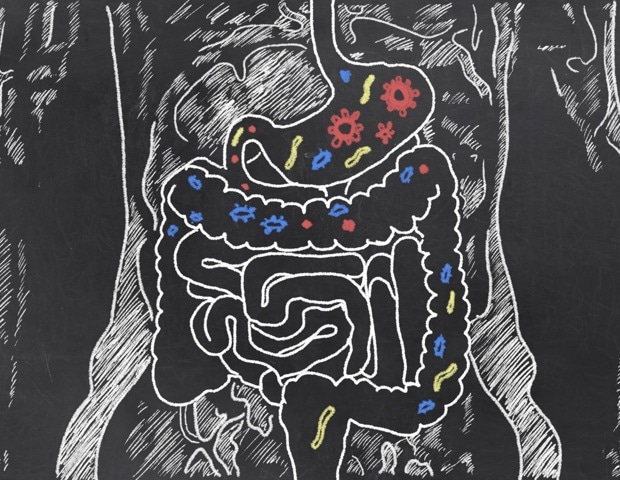
The gut microbiome, that complex ecosystem of bacteria living in our digestive system, has emerged as a critical factor in aging research. These microbial communities influence everything from metabolism and immune function to inflammation levels—all key drivers of aging. By analyzing the genetic makeup of someone's gut bacteria alongside specific blood markers, the researchers created AI models that could estimate biological age with impressive accuracy.
Why does this matter? The ability to predict biological age opens doors to preventative medicine. If we can identify people whose biological age exceeds their chronological age, we can intervene earlier with targeted lifestyle changes, dietary adjustments, or medical treatments. This personalized approach to aging could help people optimize their healthspan—the years we live in good health—rather than just extending lifespan.
The use of neural networks in this research represents a significant methodological advancement. These artificial intelligence systems can identify complex patterns in biological data that traditional statistical methods might miss. By training these networks on large datasets of blood and microbiome information, the models learned to recognize the subtle signatures of accelerated aging.
One of the most intriguing aspects of this research is what it suggests about modifying our microbiome. Since diet, exercise, sleep, and stress all influence gut bacteria composition, these findings hint that we might be able to slow biological aging by making microbiome-friendly lifestyle choices. This adds another layer of agency to the aging process—we're not simply victims of genetics and time.
Of course, this research is still in its early stages, and the models will need further validation across diverse populations before they become standard clinical tools. But the implications are profound. Imagine a future where your annual health screening includes a biological age assessment, providing personalized insights into your aging trajectory and guidance on how to optimize your health.
As we continue to unravel the mysteries of aging, studies like this remind us that our bodies are far more complex than we once thought. The trillions of microbes living within us are not passive passengers—they're active participants in our aging process. By harnessing artificial intelligence to understand these microbial communities better, scientists are paving the way for a new era of preventative, personalized medicine.
No comments yet. Be the first!