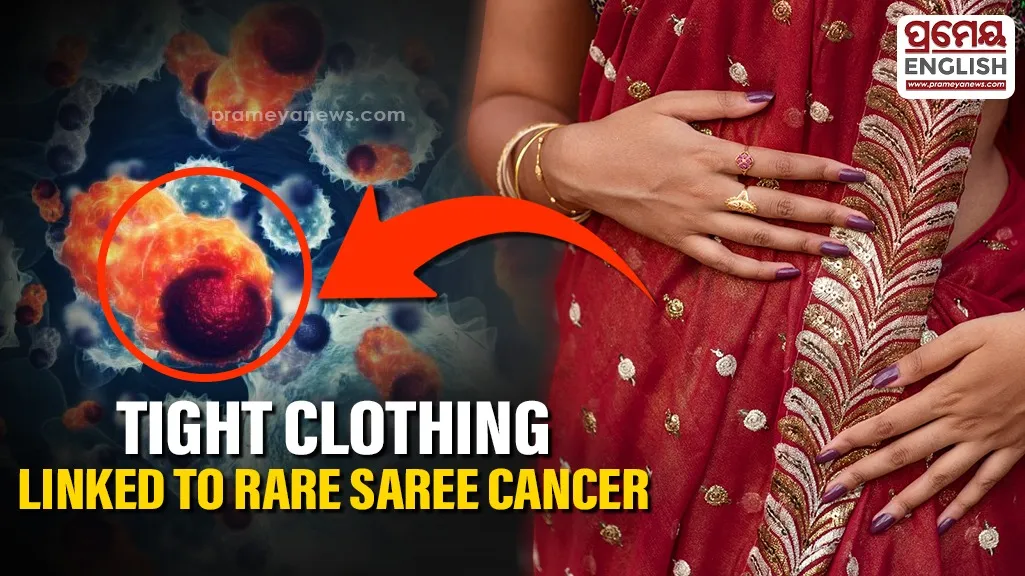
For generations, the saree has been an iconic symbol of grace and tradition across South Asia. But recent warnings from health professionals reveal that this beloved garment may pose an unexpected health risk that many women are unaware of.
Health experts are raising concerns about a rare condition sometimes called "saree cancer," which develops from persistent friction caused by tight saree waistbands. Unlike other skin cancers that develop from sun exposure, this condition emerges from the constant rubbing and irritation of the skin in areas where the saree is worn tightly around the waist and abdomen.
The mechanism is straightforward but alarming: when saree petticoats and waistbands are tied too tightly, they create ongoing friction against the skin. Over years of repeated irritation, this can lead to the development of squamous cell carcinoma, a form of skin cancer. The condition typically appears as persistent sores, discoloration, or unusual growths in the affected areas.
What makes this health issue particularly concerning is that many women don't realize they're at risk. The symptoms can be subtle and easily overlooked, often mistaken for common skin irritation or dermatitis. By the time women seek medical attention, the condition may have already progressed significantly.
The good news? This risk is largely preventable through simple lifestyle adjustments. Health professionals recommend:
- Avoiding excessively tight petticoats and waistbands
- Taking regular breaks from wearing traditional garments
- Maintaining good skin hygiene in areas prone to friction
- Being vigilant about any unusual skin changes or persistent sores
- Consulting dermatologists if you notice any concerning symptoms
Dermatologists emphasize that women shouldn't abandon wearing sarees—a practice deeply rooted in cultural identity. Instead, the focus should be on wearing them safely and comfortably. This means prioritizing comfort over aesthetics when it comes to how tightly you fasten your garments.
If you're a regular saree wearer, make it a habit to inspect your skin regularly for any unusual changes. Awareness and prevention are your strongest tools against this rare but serious condition. By taking these precautions, you can continue celebrating your cultural heritage while protecting your health.
No comments yet. Be the first!