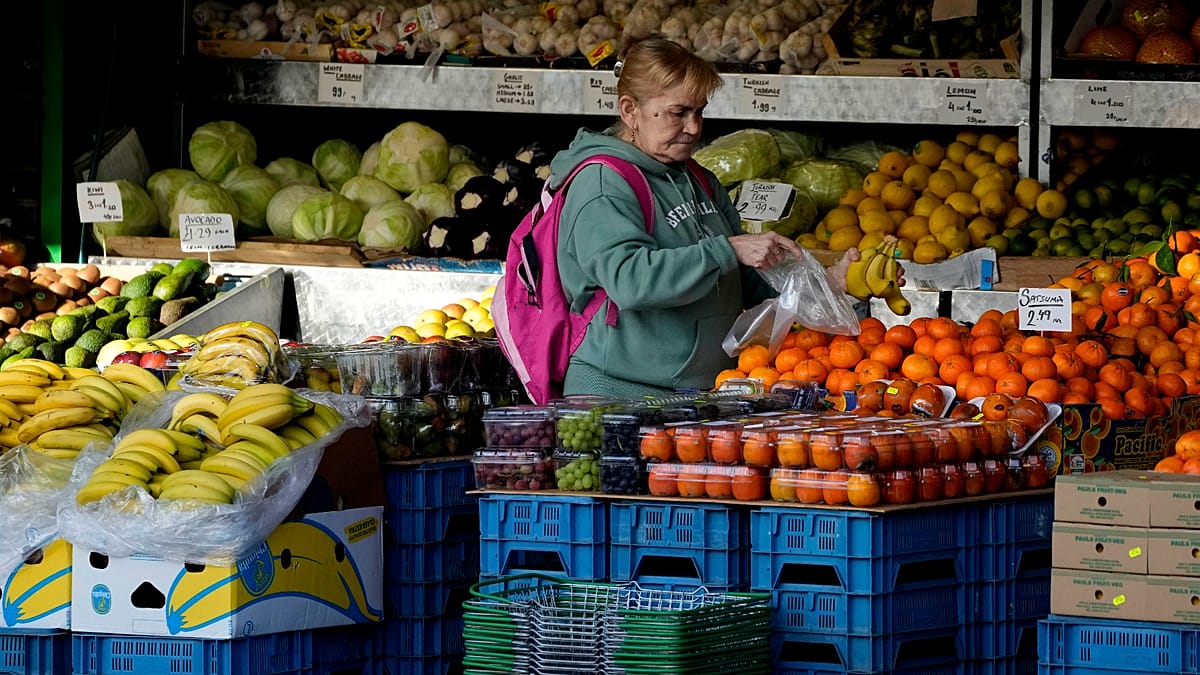
The recent escalation between the US, Israel, and Iran has set off alarm bells far beyond the Middle East. As Brent crude oil climbed above the $100-per-barrel mark, economists and energy experts began warning of consequences that would touch almost every aspect of European life—especially our food bills.
At first glance, this connection might seem unclear. Surely higher oil prices just mean more expensive petrol at the pump, right? The reality is far more complicated. Oil prices don't just influence energy; they have a cascading effect throughout global supply chains, with food production and transportation bearing the brunt of the impact.
**Why Oil Prices Matter for Your Dinner Table**
Modern agriculture is fundamentally energy-intensive. Fertilizers, pesticides, and the machinery that powers farms all rely on fossil fuels. When oil prices spike, production costs rise immediately. Additionally, transporting food across continents—whether it's fruit from Southern Europe, grain from Eastern Europe, or fish from the North Sea—depends heavily on affordable fuel. Higher oil prices translate directly into higher transportation costs, which manufacturers and retailers pass on to consumers.
But not all European countries are equally vulnerable to these shocks. Geography, agricultural output, energy independence, and trading patterns all play crucial roles in determining which nations feel the pinch most acutely.
**Which European Nations Face the Greatest Risk?**
Countries with limited domestic food production and high energy imports face the steepest challenges. Island nations and smaller economies that depend heavily on imported goods are particularly exposed. Meanwhile, nations with robust agricultural sectors, diverse energy sources, and strong economic buffers have more resilience.
The impact varies significantly across the continent. Some regions have weathered previous energy crises better due to strategic reserves, investments in renewable energy, or established supply chain diversification. Others, still recovering from pandemic-related disruptions and previous economic challenges, are more vulnerable to sudden price shocks.
**The Broader Picture**
This situation highlights a critical vulnerability in the modern European economy: our interconnectedness with global energy markets and our dependence on stable supply chains. While energy experts work to assess the full extent of potential price increases, one thing is clear—geopolitical events thousands of miles away have very real consequences for families budgeting their grocery expenses.
As tensions remain elevated and oil prices fluctuate, European policymakers are likely to face renewed pressure to strengthen energy independence, diversify food supply sources, and build greater resilience into critical supply chains. For consumers, the message is simple: keep an eye on global developments, because they might soon appear on your grocery receipt.
No comments yet. Be the first!