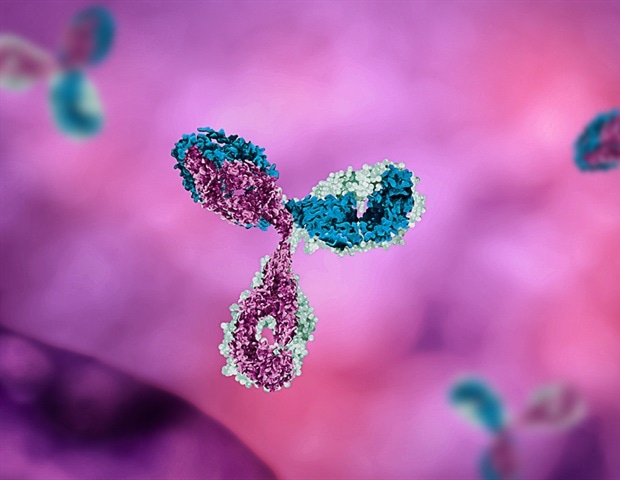
Your immune system is like an elite security team, constantly patrolling your body to identify and eliminate dangerous invaders. But sometimes, this protective force malfunctions—turning on you instead of protecting you. When this happens, autoimmune diseases develop, causing the immune system to attack the body's own healthy cells.
Now, researchers have made an exciting discovery that could change how we treat these devastating conditions. Scientists have identified a new antibody mechanism that selectively suppresses harmful immune responses while leaving your protective defenses intact.
What makes this breakthrough special? Unlike previous approaches that broadly dampened the entire immune system (leaving patients vulnerable to infections), this targeted mechanism works like a precision strike. It specifically identifies and neutralizes the problematic immune cells causing damage, while allowing the rest of your immune system to continue its vital protective work.
This distinction is crucial. Current autoimmune treatments often come with significant trade-offs—patients gain relief from their autoimmune symptoms but become susceptible to infections and other complications. The new antibody mechanism suggests a more elegant solution: fix the problem without sacrificing your body's ability to fight genuine threats.
The implications are far-reaching. Millions of people worldwide suffer from autoimmune conditions like rheumatoid arthritis, lupus, Type 1 diabetes, and multiple sclerosis. Many struggle with existing treatments that are either ineffective or cause severe side effects. This discovery could offer them a better path forward.
Researchers believe this mechanism works by understanding the nuanced communication between different immune cells. By interrupting specific signals that trigger the harmful response, they've essentially found the off-switch for autoimmune attacks.
While the research is still in development stages, the potential is remarkable. If successfully translated into clinical treatments, this could represent a paradigm shift in autoimmune disease management—moving from broad immune suppression to intelligent, selective intervention.
For patients living with autoimmune diseases, this news represents something precious: hope that future treatments might finally allow their immune systems to work as intended—protecting without attacking.
No comments yet. Be the first!