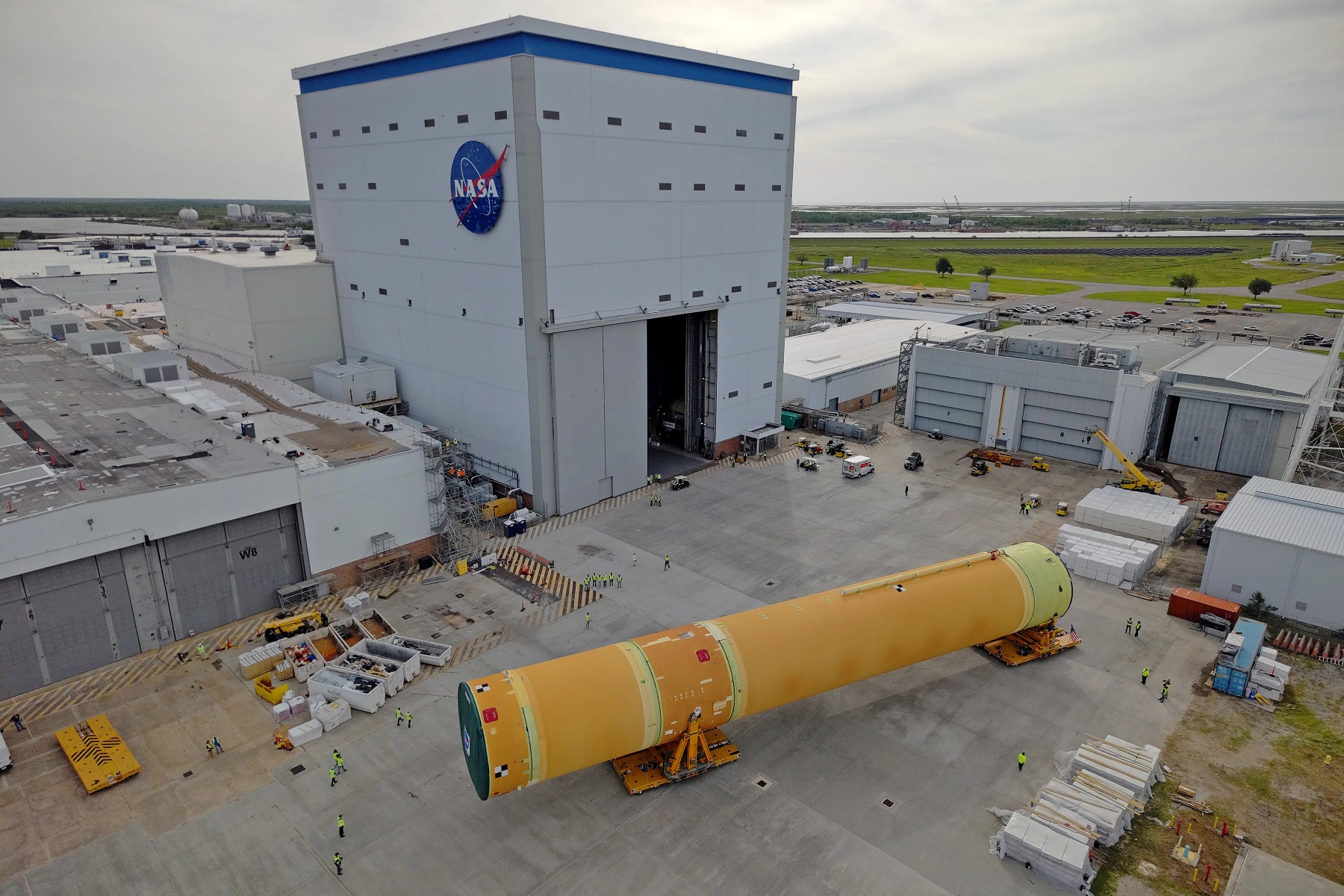
It's official: NASA's Artemis III mission is no longer just blueprints and dreams. The hardware that will carry astronauts back to the Moon is now in active production, with engineers working around the clock to prepare the Space Launch System rocket and its mobile launcher for an ambitious 2027 test flight.
But what makes this latest update particularly exciting isn't just the progress on the hardware itself—it's the strategic shift in how NASA plans to get there.
The space agency has adjusted Artemis III's flight plan in a way that demonstrates mature mission planning. Rather than launching directly toward the Moon with untested systems, NASA will conduct critical in-space tests in Earth orbit first. This approach significantly reduces risk while ensuring that every component works flawlessly before astronauts depend on it for the most important journey in a generation.
This decision reflects lessons learned from decades of spaceflight experience. By validating crucial systems—including life support, power generation, and propulsion—in the relatively forgiving environment of Earth orbit, NASA can identify and fix potential issues before they become problems 240,000 miles away.
The rocket core and mobile launcher are already in various stages of assembly and preparation. These aren't simple pieces of equipment; they represent the cutting edge of aerospace engineering. The mobile launcher, in particular, is a marvel of engineering—a structure so massive that it requires its own specialized transport and handling procedures.
The 2027 test flight date represents an aggressive but achievable timeline. It reflects NASA's determination to maintain momentum in the Artemis program while ensuring mission success and astronaut safety. With hardware moving and schedules firming up, the vision of returning humans to the lunar surface feels closer than ever.
Artemis III won't just mark humanity's return to the Moon—it will represent a new era of lunar exploration. This intermediate step of Earth orbit testing is the smart way to get there, ensuring that when astronauts finally set foot on the lunar surface, every system has been proven ready for the challenge.
No comments yet. Be the first!