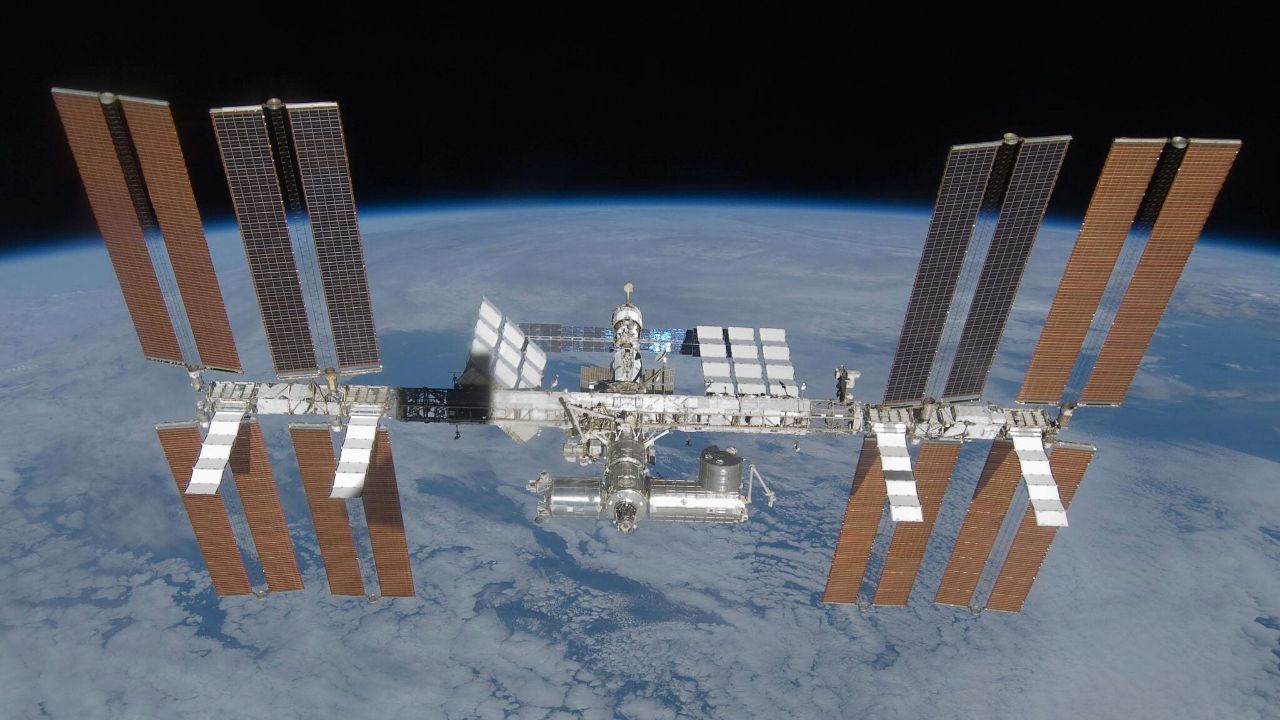
Forget everything you thought you knew about space exploration—the next big launch isn't carrying astronauts or rovers. Instead, it's a container packed with thousands of tiny worms, and they're about to become unexpected pioneers aboard the International Space Station.
As the Artemis 2 astronauts prepare to return home from their lunar mission, British scientists are orchestrating their own groundbreaking experiment. Northrop Grumman is transporting these microscopic creatures to the ISS on April 11, marking an important moment in understanding human health and aging.
But why send worms to space? The answer lies in their remarkable similarity to humans. *Caenorhabditis elegans*, or C. elegans, share approximately 40% of their genes with people, making them ideal for studying how microgravity affects living organisms. Researchers believe that studying how these worms respond to weightlessness could provide crucial insights into muscle deterioration, bone loss, and other effects of aging—challenges that astronauts face during extended space missions.
The worms have become invaluable research subjects over decades of scientific study. Their transparent bodies, simple nervous systems, and rapid life cycles make them perfect for observing cellular changes and genetic responses in real-time. What scientists learn from observing these tiny travelers could eventually help develop treatments for muscle-wasting diseases and age-related conditions affecting millions of people on Earth.
This mission represents the intersection of curiosity-driven science and practical problem-solving. By understanding how organisms adapt to extreme environments, researchers can unlock biological secrets that have profound implications for human health. The worms won't be conducting experiments themselves, but their very presence in the unique microgravity environment of the ISS will reveal how living systems fundamentally respond to weightlessness.
It's a humbling reminder that sometimes the most important scientific breakthroughs come from the smallest creatures. These microscopic explorers may well pave the way for healthier, longer lives for all of us back on Earth.
No comments yet. Be the first!