When we think about drug monitoring, wastewater analysis might not be the first thing that comes to mind. Yet this innovative approach is revealing critical insights into what's actually happening in our communities—and the latest data from Dublin is raising serious concerns.
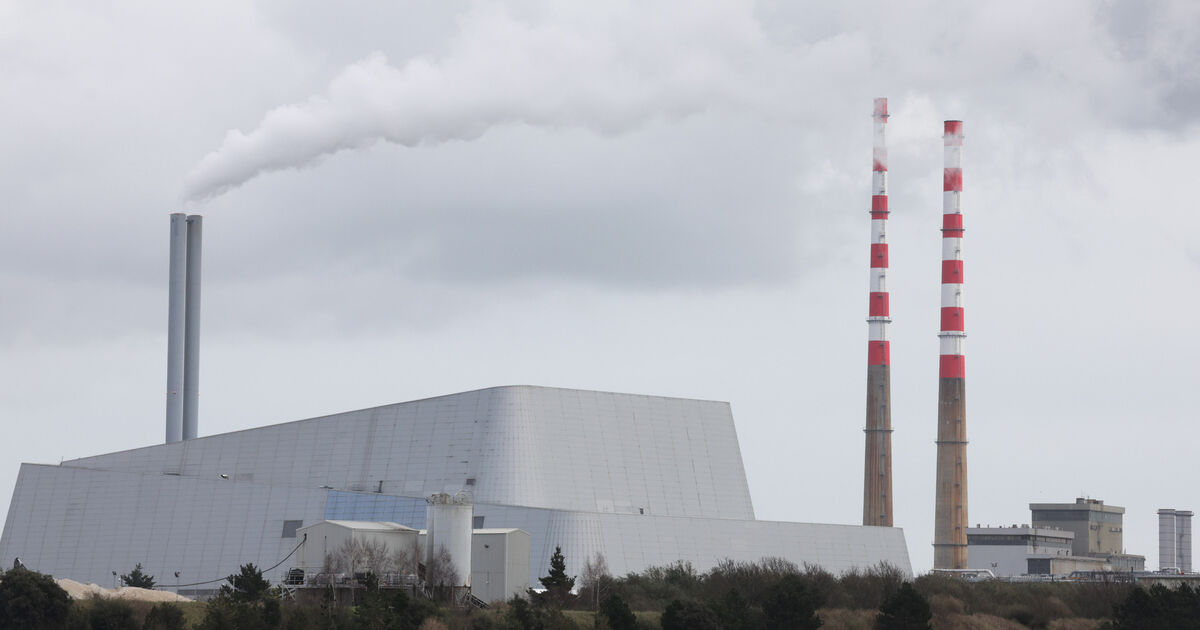
According to research from the European Union Drugs Agency (EUDA), ketamine presence at Ringsend wastewater treatment plant in Dublin surged by 42% between 2024 and 2025. This isn't just a minor fluctuation; it represents one of the highest detection rates across Europe, with Dublin recording the seventh highest levels of ketamine in wastewater among monitored locations.
What does this mean for Ireland? Ketamine, a drug with legitimate medical uses as an anesthetic, has increasingly become a substance of misuse in recreational settings. The dramatic rise in Dublin's wastewater detection suggests that consumption of the drug is growing at an alarming rate in the capital, and likely spreading to other areas across the country.
Wastewater analysis has become an invaluable tool for public health officials and drug agencies. Unlike traditional surveys or arrest records, this method captures actual drug consumption patterns across entire populations—regardless of whether users seek treatment or come into contact with law enforcement. Everyone uses water, which means wastewater data provides an unfiltered snapshot of what's really happening in our communities.
The implications of this trend are multifaceted. Ketamine abuse carries serious health risks, including bladder damage, cognitive impairment, and psychological dependence. In emergency rooms across Dublin, healthcare workers are likely already seeing increased cases of ketamine-related complications. Beyond individual health concerns, rising drug use strains public services, from hospital emergency departments to addiction treatment facilities.
The question now is: how will Ireland respond? The EUDA data serves as an early warning system, signaling that intervention strategies need strengthening. This might include enhanced drug awareness campaigns, better access to addiction treatment services, and targeted harm reduction initiatives in areas where usage is highest.
It's also worth noting that Dublin isn't alone in this struggle. Wastewater monitoring across Europe has revealed shifts in drug consumption patterns following the pandemic, with some substances increasing while others decline. Understanding these patterns helps policymakers allocate resources more effectively and develop evidence-based responses.
The 42% increase in ketamine detection is a wake-up call. While wastewater data doesn't capture the human stories behind the numbers—the struggling individuals, the affected families, and the communities grappling with substance misuse—it provides crucial context for developing solutions.
As Ireland continues to tackle its drug problem, investments in prevention, treatment, and monitoring will be essential. The data is clear: ketamine use is rising in Dublin, and a comprehensive public health response is needed now more than ever.
No comments yet. Be the first!