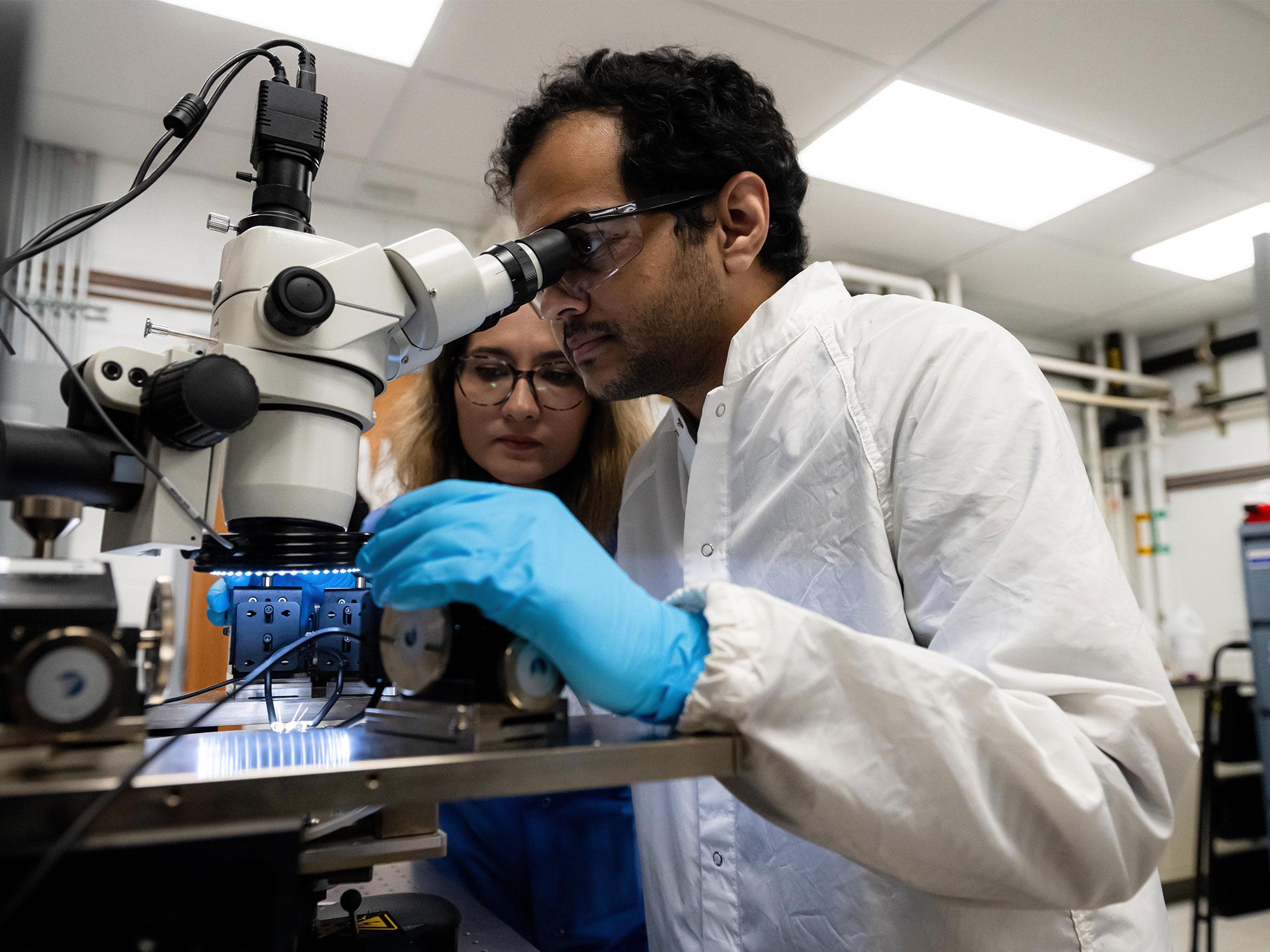
In the world of healthcare and environmental protection, timing is everything. The earlier we can identify dangerous shifts in biological markers like proteins and neurotransmitters, or spot harmful chemicals creeping into our water supply, the better chance we have to prevent serious harm to patients and ecosystems alike. Yet for decades, scientists have been hampered by detection technologies that simply weren't fast or reliable enough to catch these critical warning signs in real-time.
That's where a revolutionary new sensor technology enters the picture—and it's about to change everything.
Researchers have developed an innovative sensing solution that operates 20 times faster than existing methods, with a remarkable ability to function effectively in liquid environments where many traditional sensors struggle. This breakthrough addresses one of the most persistent challenges in diagnostics and environmental monitoring: accurately measuring minute changes in biological and chemical markers within aqueous solutions.
**Why This Matters**
The implications are staggering. In clinical settings, faster detection means earlier diagnosis and intervention, potentially saving lives by identifying diseases like cancer, infections, or metabolic disorders before they progress to critical stages. For environmental protection, this technology could dramatically improve water quality monitoring, enabling rapid identification of contaminants before they affect public health.
The versatility of this sensor is particularly impressive. Because it works reliably in liquids, it can be deployed in real-world scenarios where measurements actually need to happen—in blood samples, cerebrospinal fluid, wastewater, and natural water sources. This is a significant advantage over sensors that require complex sample preparation or only function in controlled laboratory conditions.
**Speed Without Sacrificing Accuracy**
What makes this development truly revolutionary isn't just the speed—it's that researchers managed to achieve a 20-fold improvement in detection speed without compromising accuracy. This is a genuine leap forward in sensor technology. Earlier iterations of rapid detection methods often sacrificed precision for speed, resulting in false positives or missed detections. This new sensor breaks that trade-off.
**Looking Ahead**
The development of this sensor technology represents the culmination of years of research aimed at solving one of science's persistent puzzles: how to reliably and quickly detect minuscule biological and chemical changes in complex liquid environments. As this technology moves from the laboratory toward practical applications, we can expect to see it integrated into clinical diagnostics, water treatment facilities, and environmental monitoring systems.
The potential uses are virtually limitless. From personalized medicine that could adjust treatments based on real-time biomarker data, to smart water systems that automatically alert authorities to contamination, this sensor technology could become as fundamental to modern infrastructure as thermometers once were.
In essence, we're witnessing the emergence of a tool that could transform how we detect, diagnose, and respond to both medical and environmental threats—making prevention and early intervention not just possible, but practical.
No comments yet. Be the first!