When you think of Olympic Games accommodations, images of sprawling athlete villages with modern facilities typically come to mind. But the Asian Games organizers in Japan are charting a different course—one that's equal parts creative and unconventional.
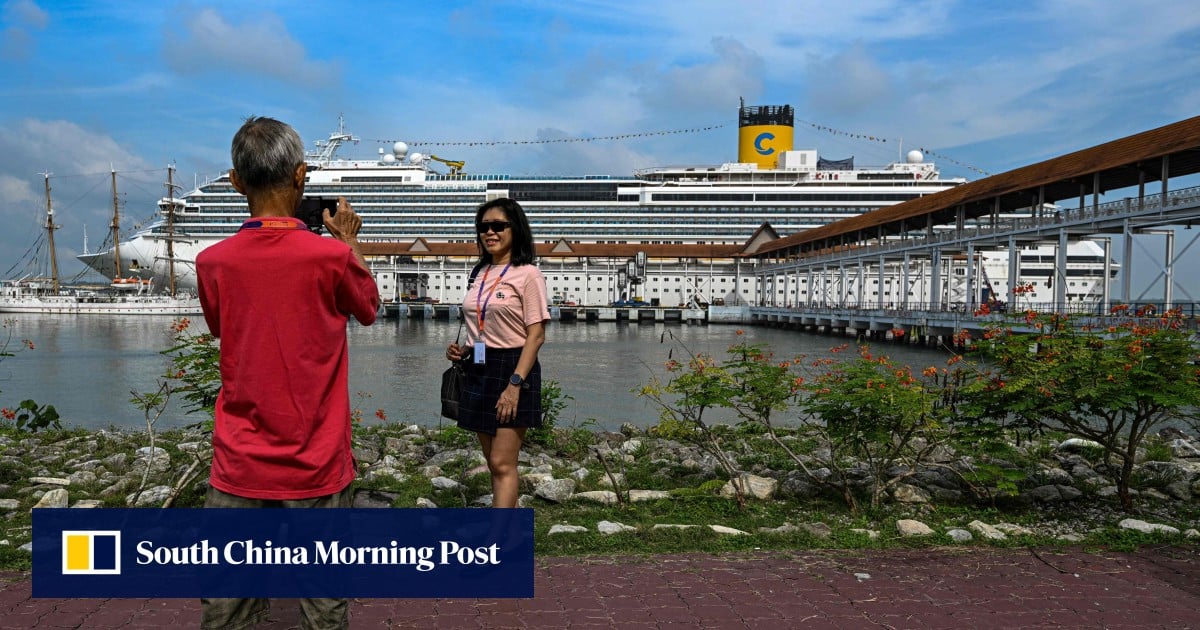
Just six months before the games kick off, officials have confirmed an ambitious housing plan: approximately half of the athletes will be staying on a cruise ship, while others will be housed in wooden container structures. According to organizers, this arrangement is designed to provide competitors with "a unique experience" that sets these games apart from previous editions.
**Breaking the Mold**
The decision to utilize a cruise ship as athlete accommodation is particularly innovative. Rather than traditional land-based dormitories, the floating hotel offers a distinctive environment that few sporting events have attempted. This approach could provide athletes with scenic views, the novelty of waterfront living, and a more memorable Games experience overall.
Complementing this maritime solution are the wooden container accommodations. These structures represent another creative twist on standard athlete housing, blending sustainability considerations with functional design. The use of wood suggests an effort to create a more natural, environmentally conscious living environment compared to conventional concrete and steel constructions.
**Acknowledging the Concerns**
While organizers are enthusiastic about their unconventional approach, officials have been transparent about acknowledging concerns surrounding the plan. This candidness is refreshing, as it shows awareness that not all athletes may be thrilled about the arrangement. Questions likely center on amenities, comfort levels, accessibility, and practical considerations like proximity to competition venues.
These concerns are entirely valid. Athletes competing at international events typically have specific requirements for rest, recovery, and facility access. Any deviation from established norms requires careful consideration to ensure competitors aren't disadvantaged by their living arrangements.
**The Balance Between Innovation and Practicality**
The Asian Games organizers appear to be walking a fine line between innovation and pragmatism. On one hand, creating memorable, unique experiences that distinguish the games is admirable. On the other hand, athlete welfare and competition logistics cannot be compromised.
The six-month timeline before the event provides organizers with a window to address concerns and make any necessary adjustments. Questions remain: How will the cruise ship accommodate athletes with specific dietary or medical needs? What transportation logistics are in place to move competitors between accommodations and competition venues? Will the wooden structures meet international comfort and safety standards?
**Looking Forward**
Ultimately, the success of this housing experiment will depend on execution. If organizers can maintain athlete comfort and convenience while delivering on their promise of a unique experience, it could set a new standard for future games. However, if practical challenges emerge, the unconventional approach could become a cautionary tale about innovation without adequate planning.
As the games approach, all eyes will be on how well this bold experiment unfolds and whether athletes ultimately embrace—or endure—their floating and wooden accommodations.
No comments yet. Be the first!