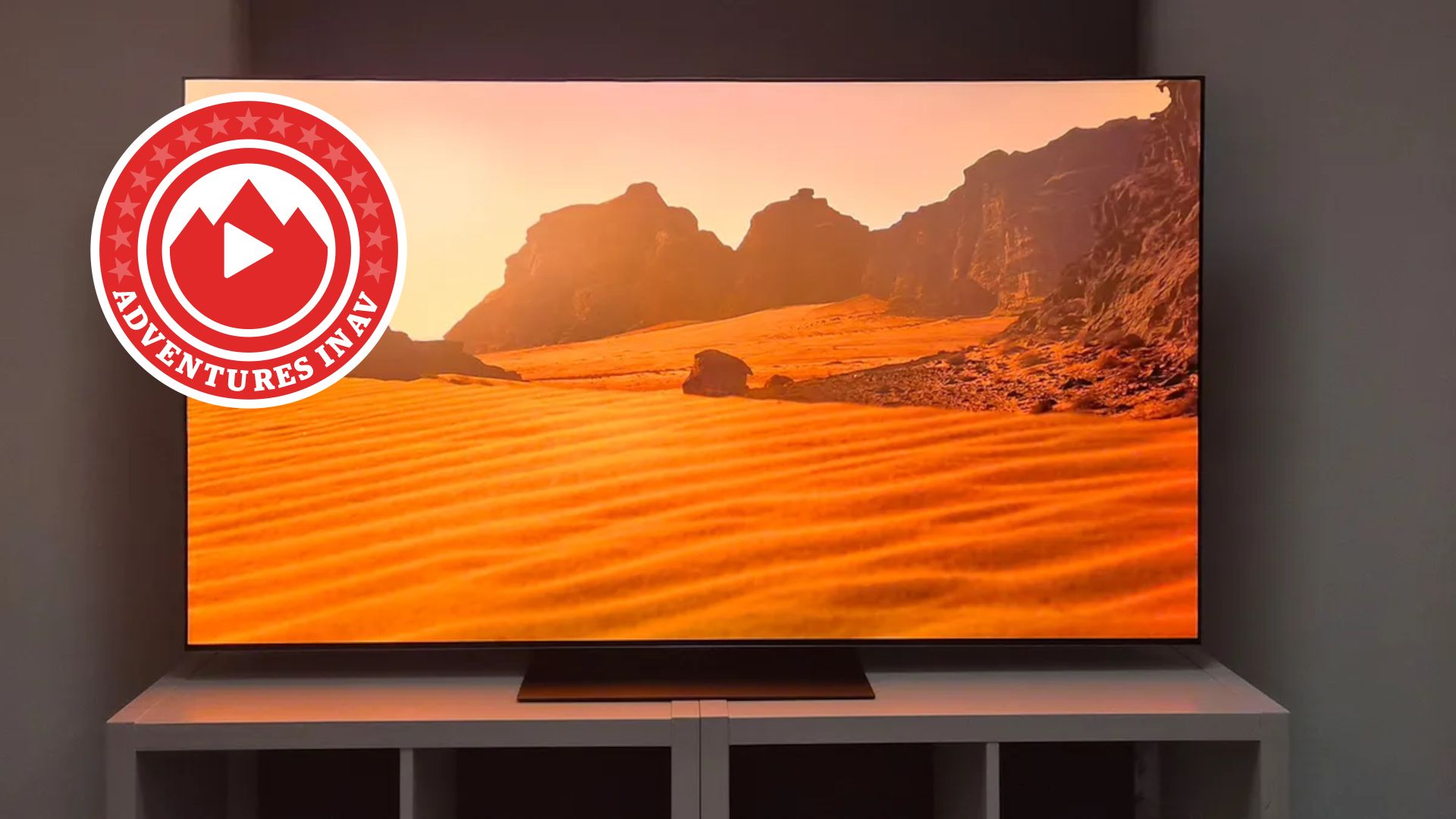
I'll admit it: I'm becoming a broken record when it comes to TVs and their obsession with brightness. But after spending time with LG's latest flagship OLED offering—the G6—I simply can't stay quiet anymore.
Here's the fundamental problem: TV manufacturers have gotten caught up in a numbers game that misses the forest for the trees. They're chasing peak brightness (measured in nits) as if it's the holy grail of picture quality, when in reality, this metric tells only a tiny fraction of the story.
OLED technology has always been OLED's strength lies in perfect blacks, infinite contrast ratios, and exceptional color accuracy. These are the features that make OLED TVs worth the premium price tag. Yet manufacturers are increasingly compromising what makes OLED special in pursuit of higher nit counts—something OLED naturally struggles with compared to LED-backlit competitors.
The irony is thick here. OLED doesn't need to be the brightest; it needs to be the best. By pushing brightness at the expense of OLED's core strengths, LG and others are essentially playing a game they can't win. LED TVs will always hit higher peak brightness levels. That's just physics.
What's truly disappointing is how this reflects a broader industry trend of optimizing for spec sheets rather than actual viewing experiences. Consumers see "2,000 nits" and think it's an upgrade, but most content isn't mastered for that brightness level, and in everyday viewing, it often doesn't matter.
The G6 isn't a bad TV—far from it. But it's emblematic of an industry that's lost sight of what actually matters: delivering exceptional picture quality that works for real-world viewing. Until manufacturers refocus on the fundamentals rather than chasing arbitrary brightness records, we'll keep seeing incremental improvements in the wrong direction.
There's a bright future for OLED, but ironically, it might require turning down the brightness dial.
No comments yet. Be the first!