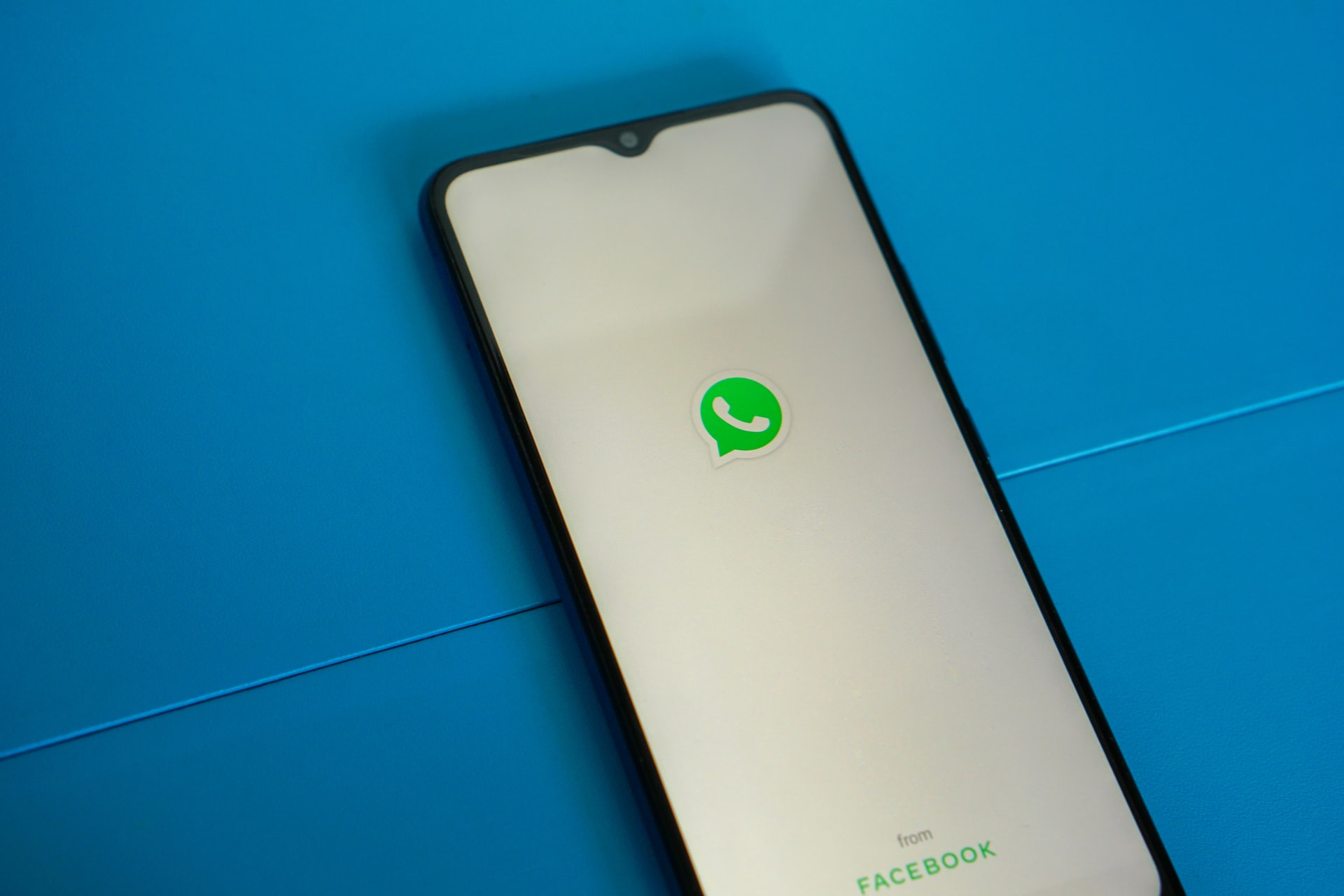
For over a decade, WhatsApp has remained one of the few global communication platforms that operates entirely free for its users. But those days appear to be numbered. Meta has officially begun testing a paid subscription tier for WhatsApp, signaling a major pivot in the company's monetization strategy.
This isn't Meta's first attempt at generating revenue from WhatsApp. The company has previously introduced business-focused features and tried various monetization angles, but direct consumer payments represent uncharted territory for the messaging giant. The timing is particularly interesting given Meta's ongoing efforts to diversify revenue streams across its family of apps, especially as it faces increased scrutiny over its advertising practices.
The paid tier is currently in testing phases globally, which means select users will have the opportunity to upgrade to a premium version with enhanced features. While specific details about what these features entail remain sparse, industry analysts speculate they could include advanced customization options, priority support, or enhanced privacy features.
This move raises important questions for WhatsApp's massive user base. The platform's strength has always been its universal accessibility—anyone with a smartphone and internet connection could communicate for free. Introducing paid tiers risks fragmenting the user experience and potentially driving some users to competing platforms like Signal or Telegram, though the latter also offers paid premium features.
However, from Meta's perspective, the logic is sound. With over 2 billion monthly active users generating minimal direct revenue, WhatsApp represents an enormous untapped monetization opportunity. The company has invested heavily in the platform while seeing limited financial returns, making this experiment almost inevitable.
The global rollout of this paid tier will be closely watched by both investors and privacy advocates. Success could validate Meta's approach and encourage similar moves across other platforms, while failure might force the company back to the drawing board.
One thing is certain: the era of completely free global messaging is quietly coming to an end, and WhatsApp may be leading the charge.
No comments yet. Be the first!