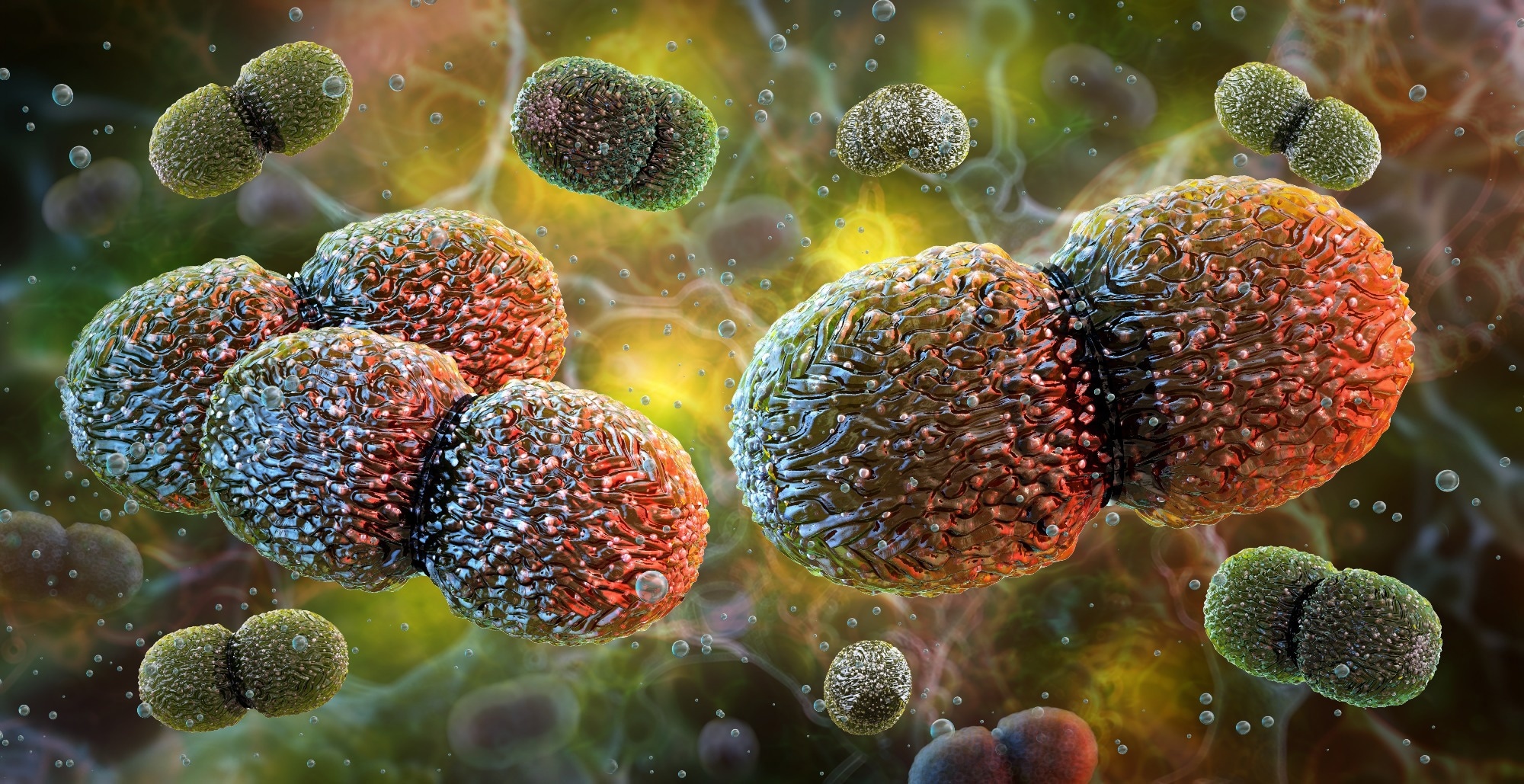
For years, researchers have suspected a mysterious connection between our gut and our brain—the famous "gut-brain axis." But how exactly do bacteria in our digestive system communicate with the command center in our skull? A new mouse study is providing some intriguing answers.
In a landmark finding, scientists have demonstrated that under specific dietary conditions, gut bacteria can actually reach the brain while bypassing the bloodstream entirely. This discovery opens up an exciting new avenue of research into one of biology's most puzzling questions: just how influential is our microbiome on our thoughts, moods, and behaviors?
**The Vagus Nerve: A Potential Hidden Highway**
The study suggests that the vagus nerve—a long, wandering nerve that connects your brain directly to your gut—might serve as a literal superhighway for bacterial translocation to the brain. Rather than bacteria entering the blood circulation and crossing the blood-brain barrier, they may be traveling along this neural pathway, essentially taking a shortcut straight to where it matters most.
This potential mechanism is significant because the blood-brain barrier is notoriously selective about what it allows through. Bacteria, being the "invaders" that immune systems are trained to recognize, typically can't cross this protective barrier. But if they're traveling via the vagus nerve, they could bypass these defenses entirely.
**Diet Plays a Critical Role**
What makes this research particularly intriguing is that the bacterial translocation only occurred under certain dietary conditions. This isn't a universal phenomenon happening in all mice at all times—it's triggered by specific nutritional factors. This suggests that what we eat doesn't just feed us; it fundamentally shapes what our gut bacteria can and cannot do.
This finding carries major implications for nutrition science and personalized medicine. It means that dietary interventions might be able to modulate whether and how bacteria can reach the brain, potentially influencing neurological health and behavior in ways we're only beginning to understand.
**Why This Matters for Your Health**
If these findings translate to humans, they could help explain how the gut microbiome influences conditions like depression, anxiety, neurodegenerative diseases, and even autism. Researchers have long observed correlations between gut health and mental health, but understanding the *mechanism* is crucial for developing targeted treatments.
Moreover, this research raises important questions about the safety and nature of our microbial communities. Are the bacteria reaching the brain always harmful? Could some bacteria provide beneficial effects through this direct neural pathway? The answers could reshape how we think about probiotics and dietary choices.
**Looking Forward**
While this study was conducted in mice, it provides a crucial foundation for human research. Scientists now have a testable hypothesis about how gut bacteria might influence brain function, moving beyond mere speculation into concrete biological mechanisms.
As our understanding of the gut-brain connection deepens, one thing becomes clear: your digestive system is far more than just a processing plant for food. It's an active participant in your neurological health, and the bacteria living there might be closer to your brain—quite literally—than anyone previously imagined.
No comments yet. Be the first!