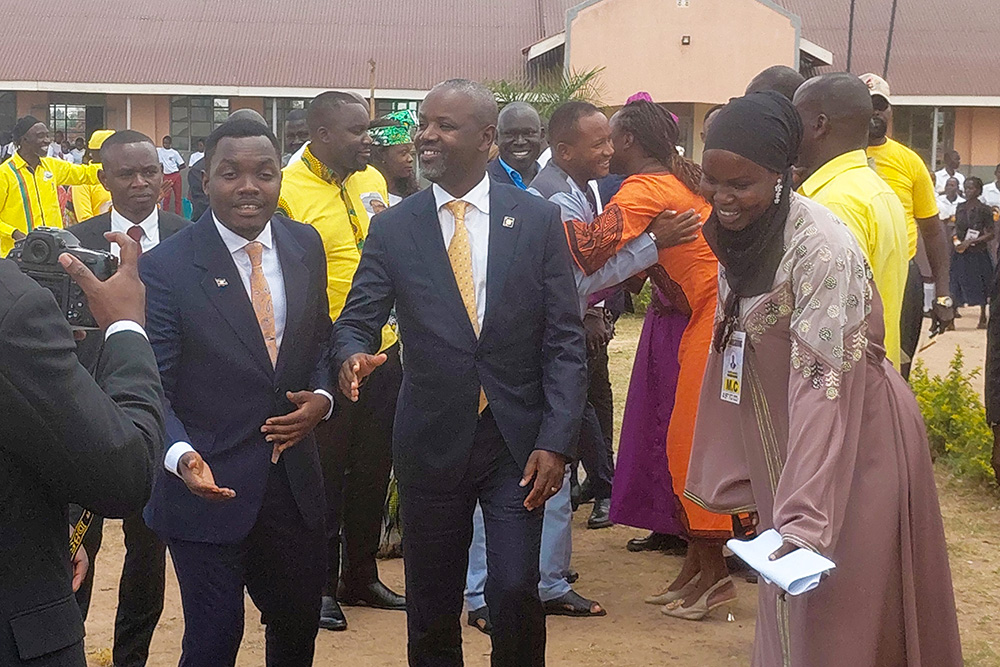
In Uganda's political landscape, age is often just a number when it comes to ambition and drive. Lawrence Alionzi, popularly known by his nickname Dangote, is proof of this. At only 25 years old, he is poised to take the helm of Arua city's leadership—a remarkable achievement that speaks volumes about his determination and the confidence his constituents have placed in him.
However, with this historic opportunity comes weighty expectations and stern reminders about what truly matters in public service. Deputy Speaker of Parliament Thomas Tayebwa recently took the opportunity to counsel the mayor-elect, emphasizing a critical point that cannot be overstated: service delivery must be the unwavering priority.
Tayebwa's message is not one of discouragement, but rather a call to focus. For any young leader stepping into a position of significant responsibility, the temptation to become distracted by the prestige of office, political maneuvering, or other tangential pursuits can be real. Yet the Deputy Speaker's caution serves as a grounded reminder that the true measure of a leader's success isn't found in titles or accolades—it's found in the tangible improvements citizens experience in their daily lives.
Service delivery encompasses the fundamentals that make a city function effectively: reliable infrastructure, responsive governance, accessible public services, and accountable administration. For Arua, a city with its own unique challenges and opportunities, these elements are not luxuries—they are necessities that affect everything from economic growth to public health and education.
What makes Tayebwa's counsel particularly significant is its timeliness. Alionzi's youth is simultaneously his greatest asset and a potential vulnerability. On one hand, younger leaders often bring fresh perspectives, technological savvy, and innovative thinking to their roles. They tend to have the energy and long-term vision necessary to drive sustained change. On the other hand, inexperience and the allure of political positioning could potentially divert focus from what truly matters to the people of Arua.
The Deputy Speaker's intervention suggests that there's a clear expectation from Parliament and other senior leadership that Alionzi understands the gravity of his responsibility. It's a gentle but firm reminder that his constituents didn't elect him to become another career politician—they elected him to serve them.
As Arua looks toward this new chapter under its young mayor's leadership, the city has an opportunity to showcase what fresh, focused leadership can accomplish. If Alionzi heeds Tayebwa's counsel and makes service delivery his north star, he could set a powerful example for other young leaders across Uganda. Conversely, any departure from this priority could quickly erode the goodwill and trust that brought him to office.
The road ahead won't be easy, but with clarity of purpose and unwavering commitment to serving the people, there's every reason to believe that Arua's 25-year-old mayor-elect can make a real difference.
No comments yet. Be the first!