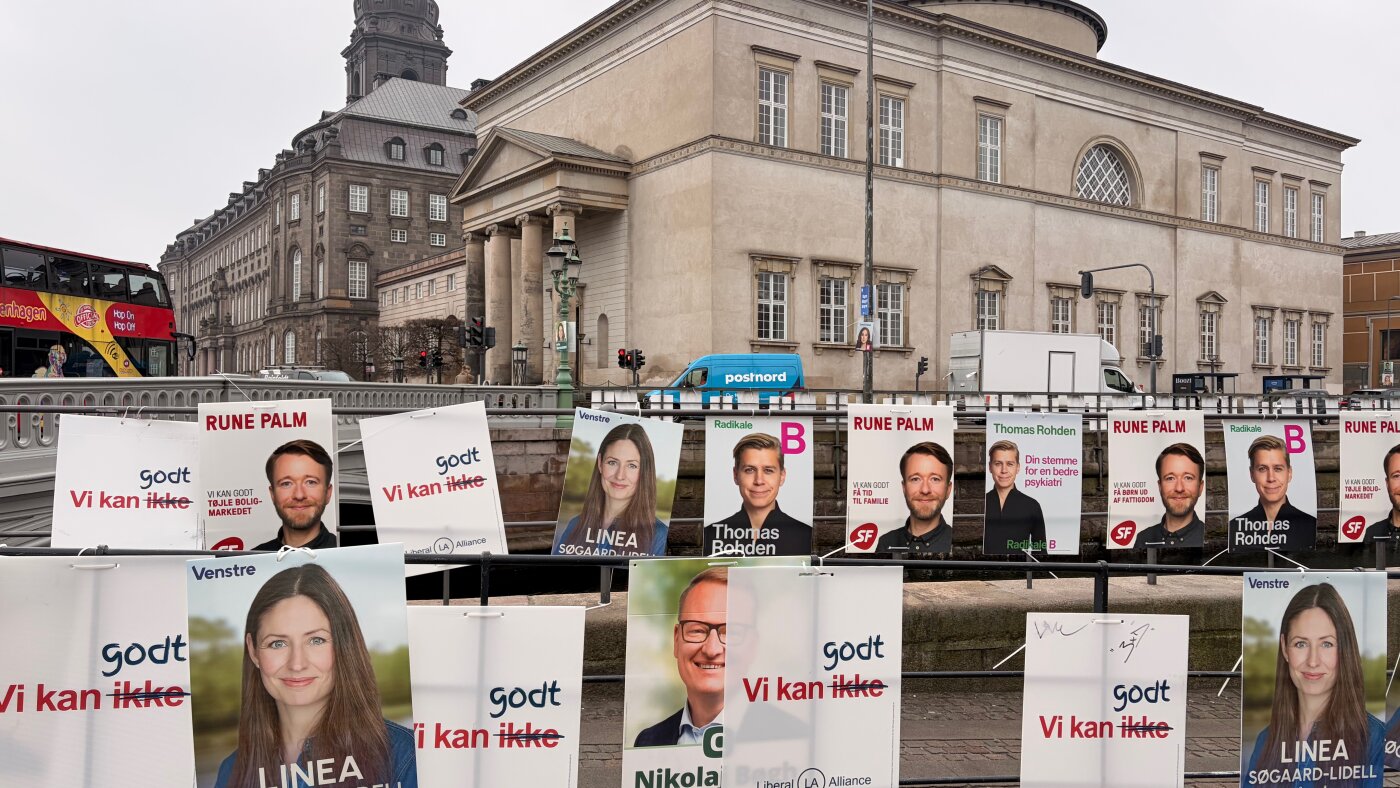
In the heart of Copenhagen, campaign posters now blanket the city walls with smiling political candidates vying for voter attention. But unlike typical election seasons, this one carries an unusual backstory—one that originates from across the Atlantic and involves an island that's been part of Denmark for centuries.
Denmark's snap election was triggered by comments made about acquiring Greenland, an autonomous territory within the Kingdom of Denmark. The remarks, which seemed unlikely to gain real political traction, nevertheless ignited a firestorm of debate and ultimately forced Danish lawmakers to call for new elections. It's a reminder of how interconnected modern politics have become, and how words from world leaders can ripple far beyond their intended borders.
The Danish public, while dealing with one of the coldest winters in recent memory, now finds itself navigating an unexpected election season. The timing couldn't be more interesting—a season of frozen landscapes and heated political rhetoric seem almost poetic in their contrast.
For Danes, the election represents more than just a routine democratic process. It's an opportunity to reassert national identity and make clear statements about sovereignty. Greenland, while geographically distant and sparsely populated, holds significant cultural and symbolic importance to Denmark. The idea that it could become a subject of international acquisition negotiations struck a nerve with voters and politicians alike.
What makes this election particularly noteworthy is how it demonstrates the delicate balance between major powers and smaller nations in the global arena. Denmark, a NATO member and stalwart of the Western alliance, found itself in an unusual position of having to defend its territorial interests against speculative proposals from an unlikely quarter.
The campaign trail reveals a nation engaged in serious reflection about its place in the world. Political parties are not just discussing domestic issues like healthcare, education, and the economy—though these remain important—but also questions of national sovereignty and Denmark's role on the international stage.
Voters heading to the polls will be making choices about more than just local governance. They're essentially voting on how Denmark should respond to and position itself within a rapidly changing geopolitical landscape. Should the country double down on its NATO commitments? How should it balance relations with the United States and other powers? What does sovereignty mean in an interconnected world?
The election underscores an important reality: even small nations can find themselves at the center of significant international conversations. Denmark's response to this moment—through its electoral process—will likely influence not just its own future but also how other nations approach similar challenges.
As Danes vote in the coming days, they're not just selecting new leaders for their parliament. They're sending a message about national identity, democratic resilience, and the importance of standing firm on matters of principle and sovereignty.
No comments yet. Be the first!