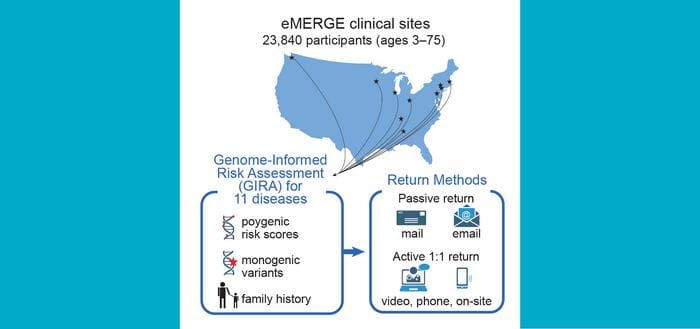
When it comes to personalized medicine, genetic testing has emerged as a powerful tool for identifying disease risks and tailoring treatment plans. But here's the challenge: once doctors have genetic risk information, what should they do with it? A landmark study published in the American Journal of Human Genetics offers some encouraging answers—along with important reminders about the work still ahead.
The research represents a six-year national effort to understand how genetic risk results can be responsibly shared with patients. The findings are largely positive: more than 70% of patients with higher-risk genetic findings received one-on-one genetic counseling. This is significant because personalized guidance helps patients understand what their results mean and how to act on them.
But here's where the story becomes more complex. While the majority of patients received appropriate counseling, the study also revealed disparities in access that shouldn't be ignored. Not all patients have equal opportunities to benefit from genetic risk information, and these gaps often fall along predictable lines—highlighting systemic inequities in healthcare delivery.
Why does this matter? Genetic counseling isn't just a nice-to-have. It's essential for helping patients navigate what can be overwhelming or confusing information. A genetic counselor can explain what a higher-risk finding means in practical terms, discuss the limitations of genetic testing, and help patients make informed decisions about their health and family planning. Without this expert guidance, patients may misinterpret results or make decisions they later regret.
The study's scale is noteworthy—a six-year national effort required significant coordination and resources. Yet despite this investment, the findings reveal that access to genetic counseling remains uneven. Geography, socioeconomic status, insurance coverage, and other factors continue to create barriers for some patients, even as they're being offered genetic risk information.
This raises an important ethical question: if we're going to return genetic risk results to patients, do we have a responsibility to ensure they all have equitable access to counseling and support? Many experts would argue we do. Offering genetic information without adequate support services could actually harm vulnerable populations by creating anxiety without providing the resources to address it effectively.
The good news is that this study provides a roadmap. By demonstrating that returning genetic risk results is feasible at scale, researchers have shown that it can be done. The challenge now is ensuring it's done equitably.
Moving forward, healthcare systems and policymakers should use these findings to identify where disparities exist and develop solutions. This might include expanding telehealth genetic counseling, increasing the genetic counselor workforce, improving insurance coverage, and working with underserved communities to build trust and improve access.
As genetic testing becomes increasingly common in routine healthcare, studies like this become invaluable guides. They show us what's working and, just as importantly, where we need to do better.
No comments yet. Be the first!