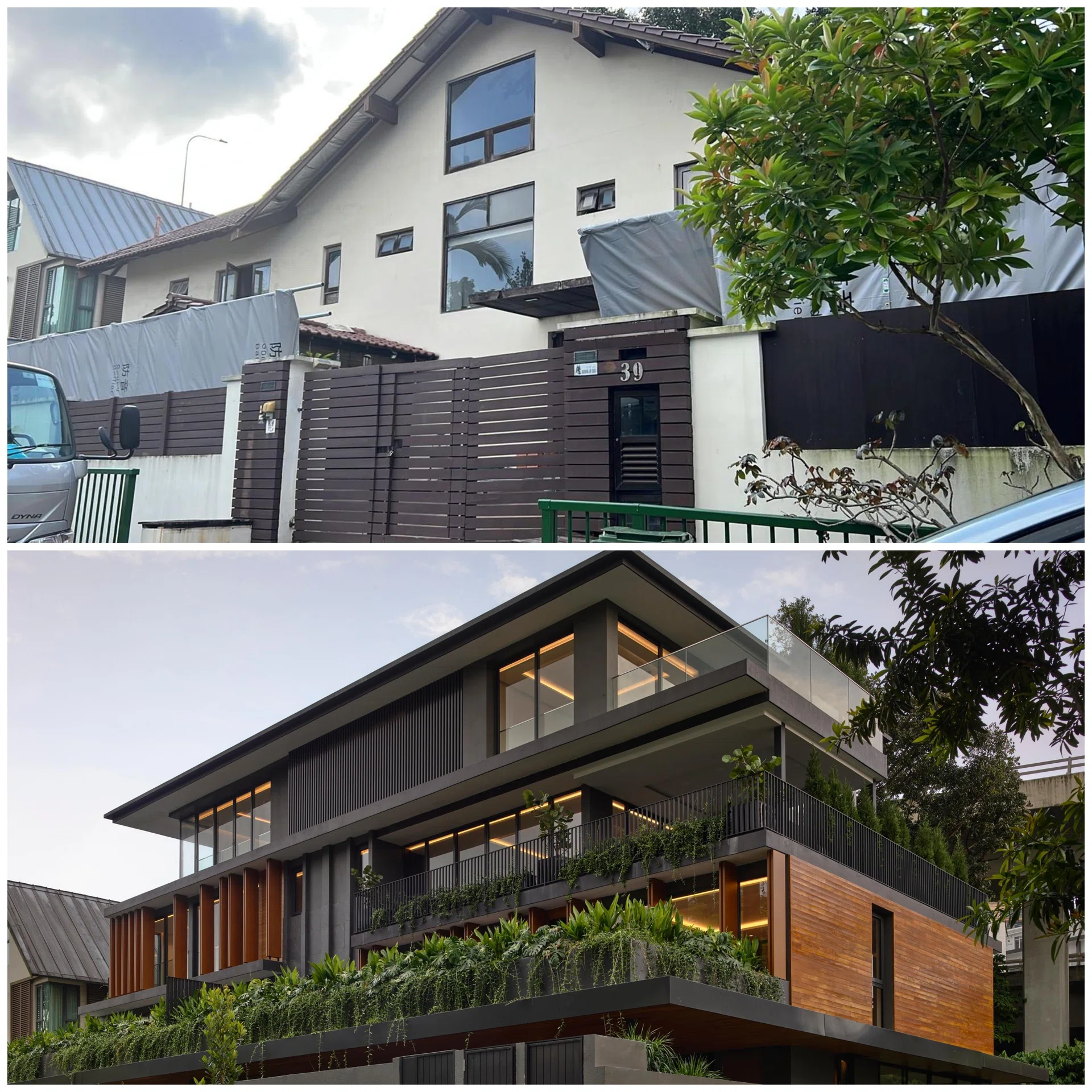
Drive through any Singapore landed estate and you'll spot them immediately—pairs of semi-detached houses that tell a tale of two worlds. One gleams with fresh paint and modern architecture, while its neighbor languishes in faded glory, a relic of decades past.
This striking contrast reflects a growing challenge for Singapore's landed property owners: the astronomical costs and bureaucratic hurdles involved in transforming aging houses into contemporary dream homes.
What was once an achievable goal for middle-class homeowners has increasingly become the preserve of the wealthy. Renovation budgets that once hovered around reasonable figures have skyrocketed, putting dream upgrades out of reach for many.
The culprits are numerous. Construction material costs have surged, skilled labor commands premium wages, and regulatory compliance has become more demanding and expensive. Planning approvals and structural assessments add layers of complexity and cost that weren't as burdensome a decade ago.
Beyond the financial barriers, homeowners navigate a maze of regulations. Modifications that seem straightforward often require multiple permits and professional certifications. Conservation guidelines, if your property falls within certain areas, can restrict what changes are even permissible.
The result? Many landed property owners face an uncomfortable choice: invest a small fortune in renovation or accept their homes as they are. Some opt for strategic, phased upgrades, spreading costs across years. Others simply maintain the status quo, watching their properties age gracefully—or not so gracefully.
This trend has wider implications for Singapore's residential landscape. It could entrench property inequality, where wealth determines not just what you own, but how beautifully you can keep it. It also raises questions about urban renewal and whether the government should intervene to make home improvements more accessible.
For prospective buyers, the lesson is clear: when purchasing a landed property, factor in realistic renovation costs before committing. What appears to be a bargain may become a financial burden when transformation dreams meet reality.
The era of accessible home renewal may be fading, making every renovation decision increasingly consequential.
No comments yet. Be the first!