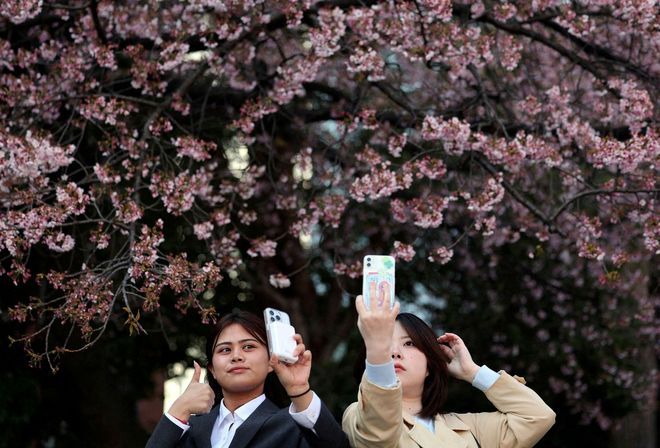
There's something magical about Japan's cherry blossom season. For centuries, families and friends have gathered beneath blooming sakura trees to celebrate spring with food, drinks, and good company. But this year, there's an unwelcome guest at the picnic: inflation.
According to research from the Dai-ichi Life Research Institute, the cost of food and drinks has surged by 25% since 2020—a striking increase that's putting pressure on the traditional "hanami" picnic experience that millions of Japanese people look forward to each year.
**When Tradition Meets Economic Reality**
Handmi season, typically occurring from late March through early April, is one of Japan's most anticipated times of the year. Parks fill with revelers enjoying convivial meals under the delicate pink and white blossoms. It's a moment to pause, appreciate nature's beauty, and reconnect with loved ones. But when the bill arrives, the magic can feel a bit tarnished.
The 25% increase in food and beverage costs represents a significant jump that affects everyone from casual picnickers to organized corporate hanami parties. A bento box that once cost a certain price now demands considerably more from your wallet. That bottle of sake or seasonal sake brew? Also noticeably pricier. Even convenience store snacks and drinks have felt the inflationary pinch.
**What's Driving These Rising Costs?**
Global inflation hasn't spared Japan, and the food and beverage sector has been particularly hard hit. Supply chain disruptions, increased transportation costs, and rising ingredient prices have all contributed to the squeeze on consumers. For a tradition that's as much about affordability and accessibility as it is about natural beauty, these increases represent a meaningful change.
**Adapting to a New Reality**
While the data paints a challenging picture, Japanese consumers are proving resilient. Some are adjusting their hanami celebrations—perhaps opting for homemade dishes instead of costly restaurant-prepared meals, or choosing smaller gatherings over large-scale parties. Others are finding creative ways to enjoy the season without breaking the bank, while still honoring the tradition.
The cherry blossoms themselves, of course, remain free. Their beauty isn't affected by economic cycles or inflation rates. That enduring aspect of hanami—the simple joy of sitting beneath blooming trees—continues to be the most valuable part of the celebration.
**Looking Forward**
As spring approaches, many Japanese people will still venture out to enjoy hanami season, despite the higher costs. The tradition is too deeply woven into Japanese culture to be deterred by inflation alone. However, the shift in spending patterns and celebration styles may represent a lasting change in how this iconic season is experienced.
The cherry blossoms will bloom regardless of economic conditions. But for many, this year's hanami season will be a reminder that even cherished traditions aren't immune to the broader economic forces shaping our world.
No comments yet. Be the first!