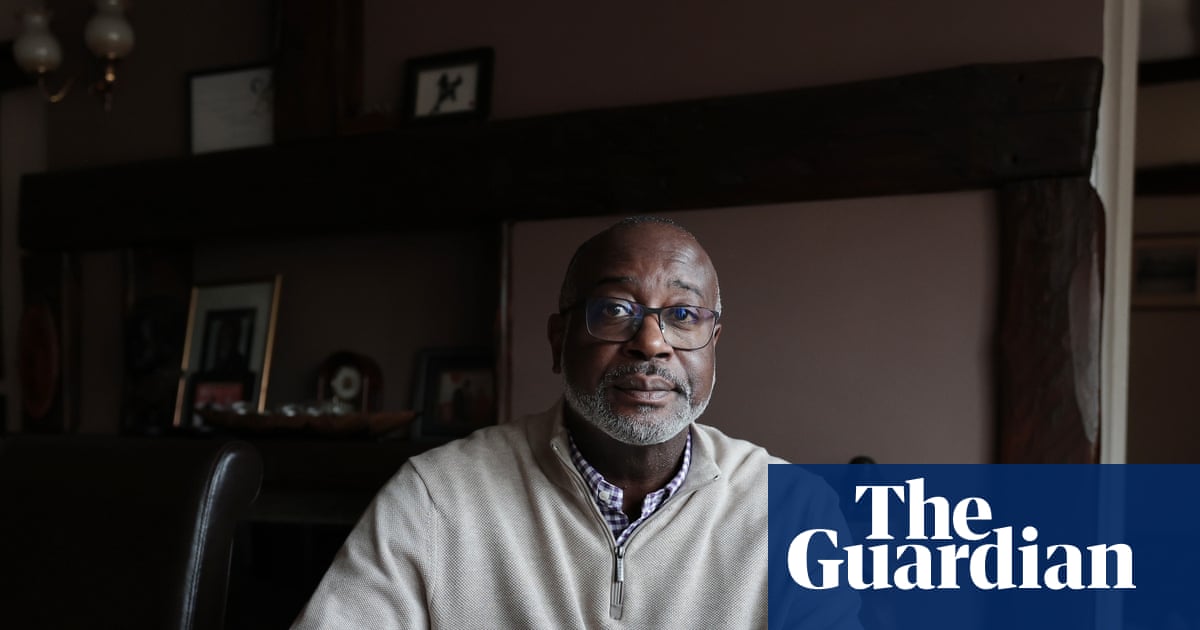
When David Bulteel retired after four decades working in the City, life should have felt like a well-earned victory. A comfortable pension, grandchildren who bring joy, a spacious home in Buckinghamshire—the trappings of success were all there. Yet despite having achieved what many would consider the perfect retirement setup, something fundamental was missing: the ability to simply live without fear.
For 13 years, Bulteel has been living under a shadow. That shadow is prostate cancer—a disease that has fundamentally altered the trajectory of what should have been his golden years.
**The Invisible Struggle**
What makes Bulteel's experience particularly poignant is how invisible his struggle has been. From the outside, everything appears fine. He has the material comforts, the family support, the freedom that retirement promises. But internally, he's been waging a continuous battle against a disease that refuses to disappear completely. The psychological weight of this invisible burden cannot be overstated—it's a constant companion that intrudes on quiet moments and disrupts what should be carefree days.
Prostate cancer affects hundreds of thousands of men globally, yet it remains a disease shrouded in silence. Many men suffer in quiet desperation, reluctant to discuss their diagnosis or its impact on their quality of life. Bulteel's willingness to share his story breaks through that silence, offering a window into the reality of living with this disease over the long term.
**More Than Just Medical Facts**
His journey isn't simply a medical case study. It's a deeply human story about resilience, adaptation, and the challenge of maintaining hope when faced with an unpredictable disease. The retirement he worked 40 years to achieve has been shadowed by medical appointments, treatment decisions, and the constant uncertainty that comes with cancer.
Bulteel's experience highlights an important truth: retirement doesn't guarantee fulfillment when health challenges loom large. No amount of financial security can fully protect against the emotional toll of a long-term diagnosis. His story speaks to the emotional dimensions of disease that often get lost in clinical discussions—the fear, the uncertainty, the impact on identity and purpose.
**A Broader Conversation**
Sharing experiences like Bulteel's matters. It opens doors for conversations about what life really looks like for cancer patients, particularly those in the seemingly privileged position of having resources and support. It also underscores the need for better treatments, earlier detection, and continued research into prostate cancer.
As Bulteel continues to navigate life under this shadow, his story serves as a reminder that cancer doesn't discriminate. It doesn't care about pension balances or grandchildren's laughter. What it demands is courage—the kind that comes from showing up each day and refusing to let a diagnosis define the entirety of one's existence.
His 13-year journey is still unfolding, and in sharing it, he offers others facing similar diagnoses something invaluable: the knowledge that they are not alone.
No comments yet. Be the first!