When you think of helium, you probably picture colorful party balloons floating at a child's birthday party. But here's what most people don't know: helium is far more than a novelty gas. It's an essential ingredient in chipmaking, rocket propulsion systems, medical imaging equipment, and countless other critical technologies that keep our modern world running.
Now, imagine what happens when a third of the global supply suddenly disappears.
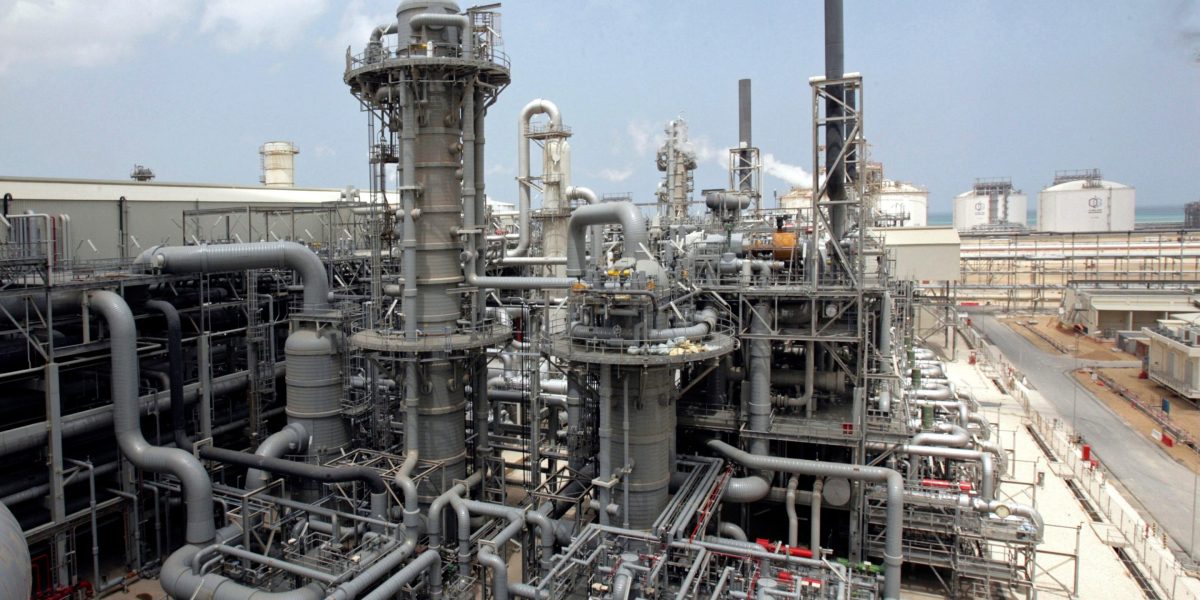
That's exactly the situation unfolding right now. Qatar, which supplies approximately one-third of the world's helium according to the U.S. Geological Survey, has been forced to halt production due to the escalating conflict between Iran and its neighbors. This isn't just a minor supply chain hiccup—it's a potential economic earthquake with consequences that will ripple across multiple industries within weeks.
The timing couldn't be worse. In our hyper-connected, technology-dependent world, helium is more crucial than ever. Semiconductor manufacturers rely on it to cool equipment during the chip fabrication process. Space agencies depend on it for rocket systems and spacecraft operations. Hospitals use it in MRI machines and other medical imaging equipment that doctors use to diagnose diseases. Even the manufacturing of fiber optic cables, which power our internet infrastructure, requires helium.
So what happens when this supply dries up? The answer is straightforward but alarming: shortages will begin to bite within weeks.
Industries that have come to rely on steady helium supplies will face difficult choices. Manufacturers may need to ration their usage, potentially slowing production. Prices will inevitably surge as demand outpaces the available supply. Hospitals and medical facilities could face challenges in maintaining their imaging equipment. Tech companies developing the next generation of chips may experience delays. And space programs could see their timelines pushed back.
What makes this situation particularly precarious is how dependent we've become on a single regional supplier. While helium is actually one of the most abundant elements in the universe, extracting it on Earth is complex and expensive. It's only produced in a handful of locations globally, making the industry vulnerable to regional disruptions. Qatar's production shutdown has exposed just how fragile this supply chain really is.
The geopolitical implications are clear: this conflict has moved beyond regional politics and directly impacts global commerce and technological progress. Companies are likely scrambling right now to secure helium reserves before shortages become acute. Strategic stockpiling will probably begin, which could paradoxically make the shortage worse by driving up prices even faster.
This crisis is a stark reminder that our advanced, interconnected global economy has hidden vulnerabilities. A conflict thousands of miles away can disrupt the production of semiconductors in Taiwan, delay medical diagnoses in New York, and slow innovation in Silicon Valley. As the helium shortage begins to bite in the coming weeks, industries worldwide will be forced to adapt, innovate, and ultimately, prepare for a world where this critical resource becomes significantly scarcer and more expensive.
The question isn't whether this will impact you—it's how.
No comments yet. Be the first!