The artificial intelligence world just experienced a significant geopolitical tremor. A prominent Chinese research organization announced it would boycott NeurIPS, one of the most prestigious conferences in machine learning, over what it saw as discriminatory policies against Chinese researchers.
The drama began with NeurIPS's visa policy, which initially appeared to restrict participation from many Chinese institutions and researchers. While the conference organizers quickly issued an apology and clarified their intentions, the damage was already done. The incident became a flashpoint for a much larger conversation: how divided has the global AI research community become?
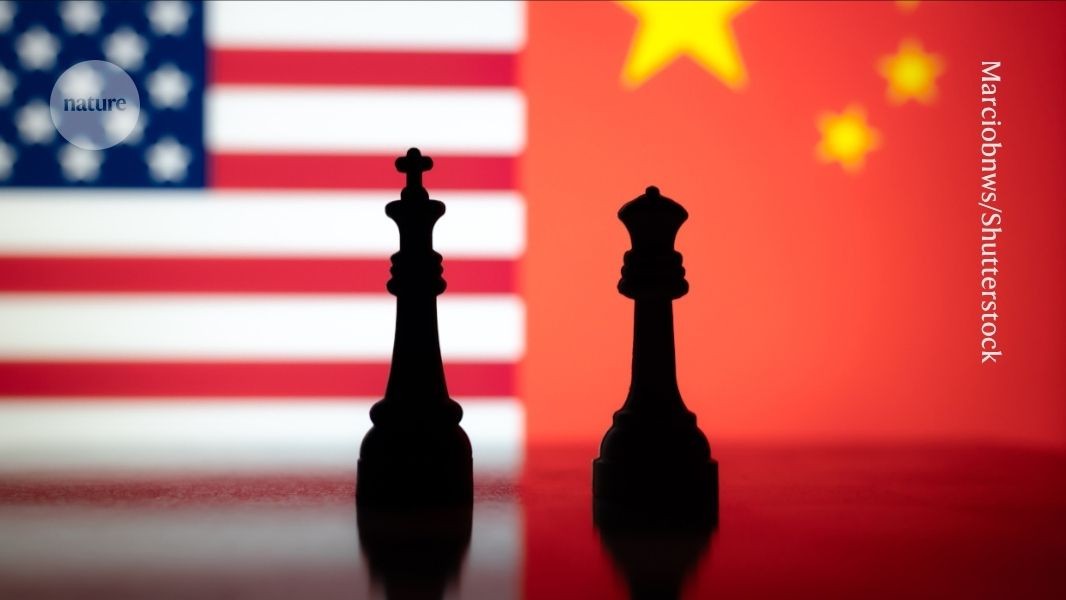
This isn't just about hurt feelings or miscommunication. The boycott symbolizes a growing US-China divide in artificial intelligence—a field that increasingly determines technological and economic power. China has invested heavily in AI research and has produced world-class researchers, yet barriers—both real and perceived—continue to emerge.
The NeurIPS controversy highlights a troubling trend. Visa restrictions, export controls, and access limitations have created an atmosphere of suspicion in what should be a collaborative scientific community. When top researchers feel unwelcome or excluded, they're more likely to develop parallel ecosystems rather than contribute to a unified global knowledge base.
What makes this particularly concerning is the ripple effect. NeurIPS isn't just any conference—it's where cutting-edge research gets presented and where the brightest minds connect. Losing significant Chinese participation diminishes the event and fragments the research community at a critical moment in AI's development.
The situation also raises uncomfortable questions about the future of open science. Can the global research community truly remain open when geopolitical tensions run high? Or are we headed toward isolated research ecosystems—one centered in the West, another in China?
For now, NeurIPS organizers are trying to repair relations, but trust, once broken, takes time to rebuild. As AI continues reshaping our world, the last thing we need is a fragmented research community. The real losers in this conflict aren't institutions or nations—they're scientific progress and human innovation itself.
No comments yet. Be the first!