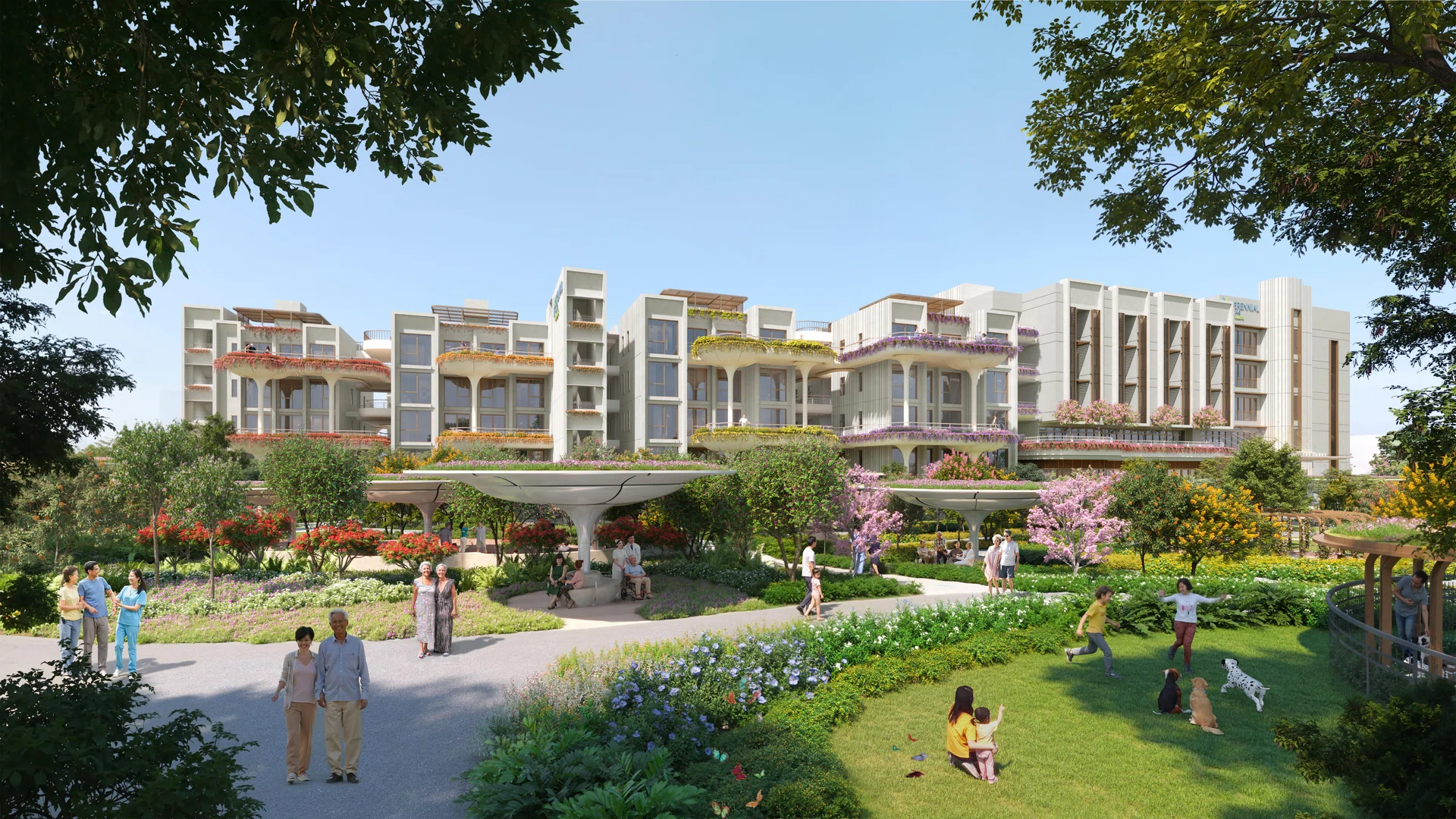
Singapore is facing a demographic transformation that will reshape our society in ways we're only beginning to understand. Within the next few years, we'll become a super-aged nation—a status that carries profound implications for how we live, work, and care for our elderly citizens.
The numbers tell a stark story: by 2030, one in four residents will be 65 or older. This isn't a distant concern or a problem for future generations to solve. It's happening now, and it's accelerating. Unlike some demographic shifts that can be reversed through policy changes or immigration, Singapore's aging population trajectory appears locked in. We need to accept this reality and act accordingly.
**The Core Issues at Stake**
Retirement adequacy and senior protection are no longer niche policy concerns—they're becoming central social issues that demand urgent attention. Many Singaporeans are reaching their golden years without sufficient savings, inadequate housing arrangements, and limited access to quality care options. The current system, designed for a younger population, simply isn't equipped to handle the scale and complexity of caring for millions of seniors.
One of the most pressing challenges is the availability and affordability of senior living options. Too many older adults face a binary choice: remain in aging public housing with limited support, or stretch already-thin finances to afford premium private facilities. This gap in the middle leaves countless seniors in precarious situations, unable to afford comprehensive care but ineligible for the subsidized options available to the lowest-income residents.
**What Needs to Change**
Addressing this crisis requires a multifaceted approach. We need to reimagine our housing options, creating more diverse senior living arrangements that cater to different needs and budgets—from independent living communities to assisted care facilities. Beyond bricks and mortar, we must strengthen our social support systems, ensuring seniors have access to healthcare, mental health services, and community engagement programs that combat isolation.
Employment policies also deserve scrutiny. As life expectancy increases and retirement savings prove inadequate for many, we need to reconsider mandatory retirement ages and create meaningful opportunities for older adults to remain productively engaged in the workforce, should they choose to do so.
Financially, we must ensure retirement adequacy through a combination of strategies: strengthening mandatory savings mechanisms, encouraging voluntary supplementary savings, and providing targeted assistance to the most vulnerable. This isn't just about money—it's about dignity and maintaining quality of life.
**Looking Forward**
The good news is that Singapore has the resources, expertise, and infrastructure to tackle this challenge effectively. What we need now is political will, bold policy innovation, and a genuine commitment to treating senior care as a priority issue rather than an afterthought.
The demographic clock is ticking. The question isn't whether we'll have a super-aged society in 2030—we will. The real question is: will we be ready?
No comments yet. Be the first!