Communication technology today feels almost magical. We can video call someone on the opposite side of the world, stream live events from anywhere, and stay connected through an intricate web of satellites, undersea cables, and relay stations. But rewind to the 1960s, and the landscape was entirely different—especially when it came to military communications.
During the Cold War, the U.S. military faced an existential challenge. If the Soviet Union managed to destroy or disable the traditional communication infrastructure that the armed forces relied on, the entire defense apparatus could be compromised. The military needed a backup system—something resilient, redundant, and essentially indestructible.
Enter Project West Ford, one of the most unusual scientific experiments ever conducted.
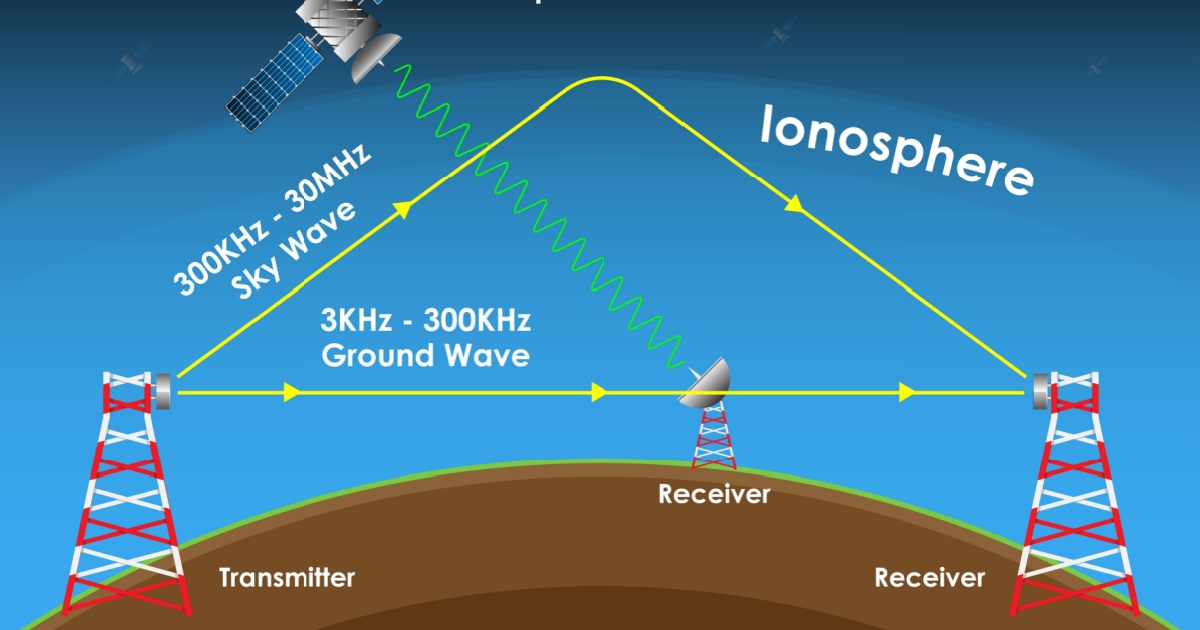
In 1961, the U.S. military launched a satellite carrying approximately 480 million tiny copper needles into orbit. Yes, you read that correctly—nearly half a billion needles. The plan was to release this massive cloud of copper around the Earth, creating an artificial ionosphere that could reflect radio waves and enable critical military communications to bounce around the planet.
The concept was theoretically sound. The copper needles, each about 1.7 centimeters long, would become ionized when exposed to the sun's radiation. This ionization would create a reflective layer in space—essentially a man-made version of the natural ionosphere that already existed above Earth. If traditional communication systems failed, the military could rely on bouncing radio signals off this copper needle cloud.
But the audacity of the plan matched its technical complexity. Wrapping the entire Earth in metal debris raised serious concerns from the scientific community. Astronomers worried about interference with their observations. Other nations questioned the implications of intentionally filling orbital space with metallic material. Despite the controversy, the military pushed forward.
The satellite successfully reached orbit, and the copper needles were dispersed. For a time, Project West Ford actually worked. Military operators successfully transmitted signals that bounced off the copper needle cloud, demonstrating that the concept had practical applications.
However, the solution came with significant drawbacks. The copper needles didn't stay neatly in place—they gradually dispersed throughout orbit. Additionally, the experiment prompted international backlash and raised ethical questions about space debris that remain relevant today. As satellite technology advanced and more reliable communication systems became available, the need for this unconventional backup became obsolete.
What started as a Cold War desperation measure eventually faded into history, replaced by superior technologies that made artificial ionospheres unnecessary. Yet Project West Ford remains a fascinating reminder of how innovative—and sometimes bizarre—military thinking can become when national security is at stake. It's a testament to an era when scientists and the military were willing to try almost anything to maintain strategic advantage, even if it meant filling space with half a billion copper needles.
No comments yet. Be the first!