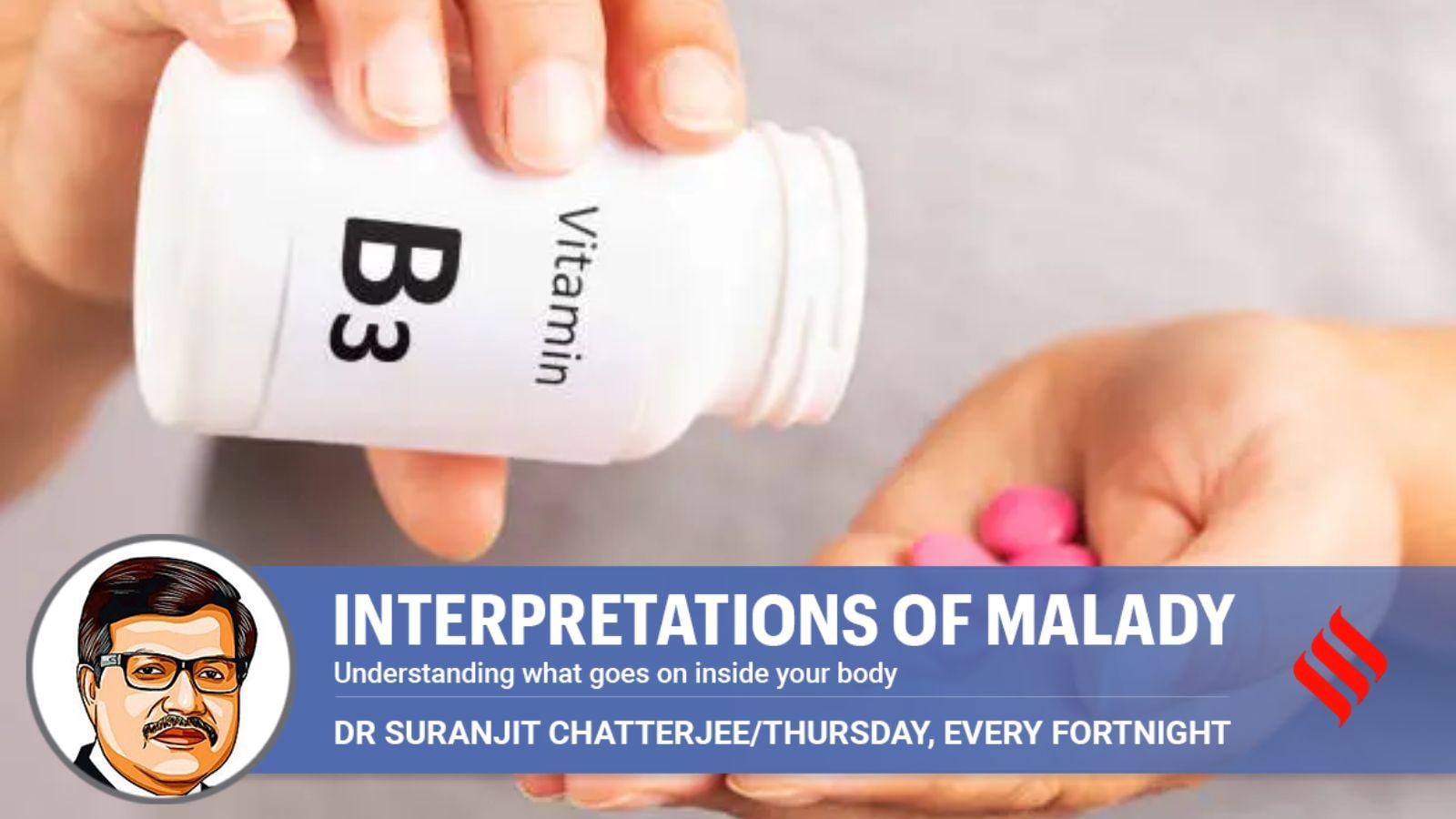
In our quest for optimal health, many of us turn to supplements with the belief that more is better. However, the truth is far more nuanced. While vitamins and minerals are essential for our bodies to function properly, overdoing it can lead to serious health complications. One prime example is niacin, also known as vitamin B3, which perfectly illustrates why supplement balance matters.
## Understanding Niacin: The Essential Vitamin
Niacin is a water-soluble vitamin that plays multiple vital roles in your body. It's responsible for converting the food you eat into usable energy, maintaining healthy skin, supporting nerve function, and keeping your digestive system running smoothly. As an essential nutrient, your body genuinely needs niacin to thrive—but that doesn't mean more is merrier.
## The Supplement Sweet Spot
The recommended daily allowance for niacin varies based on age and gender, but it's typically modest because most people can obtain sufficient amounts through their regular diet. Foods rich in niacin include chicken, tuna, turkey, peanuts, mushrooms, and whole grains. When you're getting adequate niacin from food sources, additional supplementation often becomes unnecessary.
## When Supplements Become Problematic
Excessive niacin intake, particularly from supplements, can trigger a range of unpleasant and potentially dangerous side effects. High doses may cause flushing—a burning sensation and redness of the skin—along with itching, gastrointestinal distress, and liver damage. In some cases, extreme supplementation can lead to more serious conditions that require medical intervention.
This is where the concept of "too much of a good thing" becomes critically important. Your body can only utilize a certain amount of water-soluble vitamins, and the excess is typically excreted. However, at very high doses, even water-soluble vitamins can accumulate to toxic levels and cause harm.
## The Supplement Supplement Trap
One of the biggest misconceptions about supplements is that they're harmless because they're "natural" or "over-the-counter." This assumption can be dangerous. Unlike prescription medications, supplements are less strictly regulated, and people often assume they don't need medical guidance before starting them. In reality, supplements can interact with medications, interfere with medical conditions, and cause adverse effects when taken in excessive amounts.
## A Smarter Approach to Nutrition
Rather than relying heavily on supplements, consider maximizing your nutrition through a balanced diet rich in whole foods. A varied diet naturally provides appropriate amounts of vitamins and minerals your body needs. If you believe you have a deficiency or are considering supplementation, consult with a healthcare provider or registered dietitian first.
They can assess your individual needs through blood tests and dietary analysis, ensuring you take only what's truly necessary. This personalized approach prevents both deficiencies and overdoses.
## The Bottom Line
The key to good health isn't about loading up on supplements—it's about balance and understanding your individual needs. While niacin and other vitamins are undeniably important, getting them from food sources and taking supplements only when medically recommended is the safest and most effective approach.
No comments yet. Be the first!