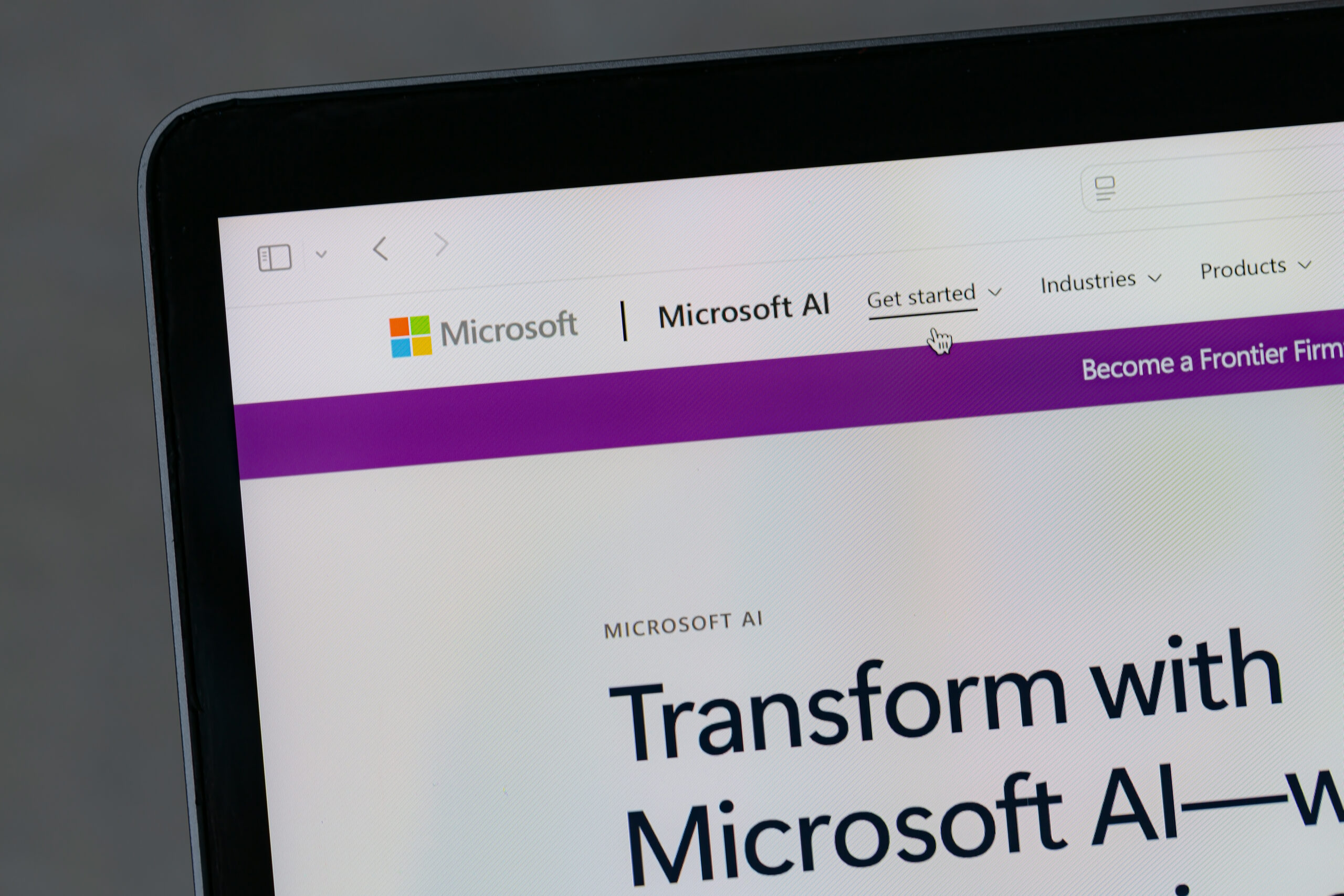
Microsoft has long been perceived as the enterprise gateway to artificial intelligence, thanks to its high-profile partnership with OpenAI and deep integration of ChatGPT into its products. But here's what's often overlooked: the company is simultaneously building a formidable arsenal of proprietary AI models that could fundamentally change the competitive landscape.
The company's new MAI (Microsoft AI Initiative) voice, transcription, and image models represent a significant investment in vertical integration. Rather than relying solely on third-party models, Microsoft is developing homegrown solutions that offer enterprises greater control, customization, and potentially reduced dependency on external providers.
Why does this matter? For starters, it gives Microsoft unprecedented flexibility. Companies can now choose between OpenAI's cutting-edge models for general-purpose tasks or Microsoft's specialized models optimized for specific enterprise needs. This dual approach positions Microsoft as both a gateway and a developer—hedging its bets while maintaining strategic optionality.
The timing is particularly strategic. As enterprises grow increasingly concerned about vendor lock-in and the long-term sustainability of relying on any single AI provider, Microsoft's in-house capabilities provide reassurance. Organizations can diversify their AI stack without completely abandoning the Microsoft ecosystem.
Moreover, these models are designed with enterprise requirements in mind: security, compliance, scalability, and integration with existing Microsoft infrastructure. The voice and transcription models, for instance, can be seamlessly embedded into Teams, Azure, and Office 365—creating a comprehensive AI-powered productivity suite.
The image models similarly compete with specialized solutions while maintaining Microsoft's commitment to responsible AI development. This isn't just about capability; it's about differentiation in an increasingly crowded market.
The broader implication? Microsoft isn't choosing between partnerships and in-house development—it's doing both strategically. This approach maximizes enterprise optionality while keeping customers within the Microsoft orbit. As AI becomes more central to business operations, companies that offer both breadth and depth of AI capabilities will likely emerge as the dominant platforms.
No comments yet. Be the first!