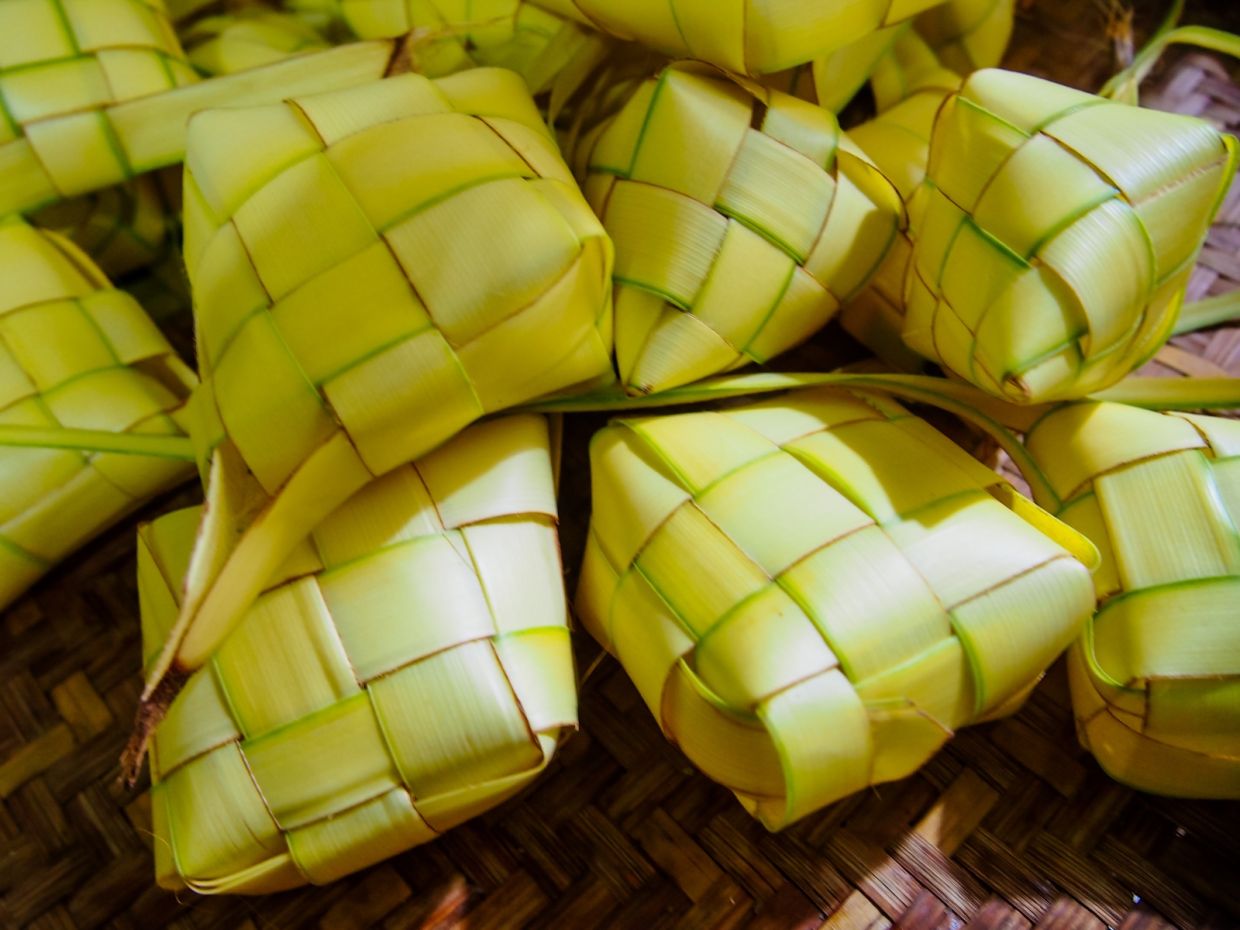
Hari Raya without ketupat is like rendang without coconut milk: technically possible, but let's be honest—nobody's doing it. These beautifully woven rice cakes are a festive staple that Malaysians devour by the plateful every celebration season, usually paired with rich gravies and curries that make the occasion feel extra special.
But here's the question many health-conscious celebrators are asking: Is ketupat actually better for your blood sugar than regular white rice? The answer might surprise you—and it's a bit more nuanced than a simple yes or no.
**The Glycemic Index Showdown**
When it comes to blood sugar impact, the glycemic index (GI) is what matters. Ketupat, despite its reputation as a traditional treat, doesn't have a significantly lower GI than white rice. In fact, both are considered high-GI foods, meaning they can cause rapid spikes in blood sugar levels after consumption.
This is where the chemistry gets interesting. The process of cooking rice in ketupat—where rice is steamed inside woven palm leaves—doesn't fundamentally change the rice's nutritional profile enough to make it substantially better for blood sugar management. The rice used is still typically white rice, which has had much of its fibre and nutrients removed during processing.
**What About the Cooking Method?**
You might think that the unique steaming method could make a difference, but unfortunately, it doesn't create enough variation in the glycemic response. The bottom line is that both ketupat and white rice are refined carbohydrates that digest quickly, leading to similar blood sugar spikes.
**Making Smarter Choices This Raya**
If you're concerned about blood sugar management during the festive season, the key isn't choosing between ketupat and white rice—it's about portion control and pairing strategies. Instead of eliminating ketupat entirely (because let's face it, it's Raya!), try these practical tips:
Eat smaller portions of ketupat and fill your plate with protein-rich curries, vegetables, and sambals. The protein and fat in your meal can help slow down sugar absorption. Balance your meal with plenty of fibre-rich side dishes. Avoid washing down your meal with sugary drinks—opt for water or unsweetened beverages instead. If you have diabetes or significant blood sugar concerns, consult with a nutritionist about portion sizes that work for you.
**The Real Takeaway**
Neither ketupat nor white rice is a winner when it comes to blood sugar management. Both will cause similar spikes. However, this doesn't mean you need to skip ketupat during Raya celebrations. The festive season is about togetherness and tradition, after all. The real secret to managing your blood sugar isn't about choosing one carbohydrate over another—it's about making conscious choices around portion sizes and meal composition.
So go ahead and enjoy your ketupat this Raya, just be mindful of how much you're eating and what you're pairing it with. That's the recipe for both celebration and health.
No comments yet. Be the first!