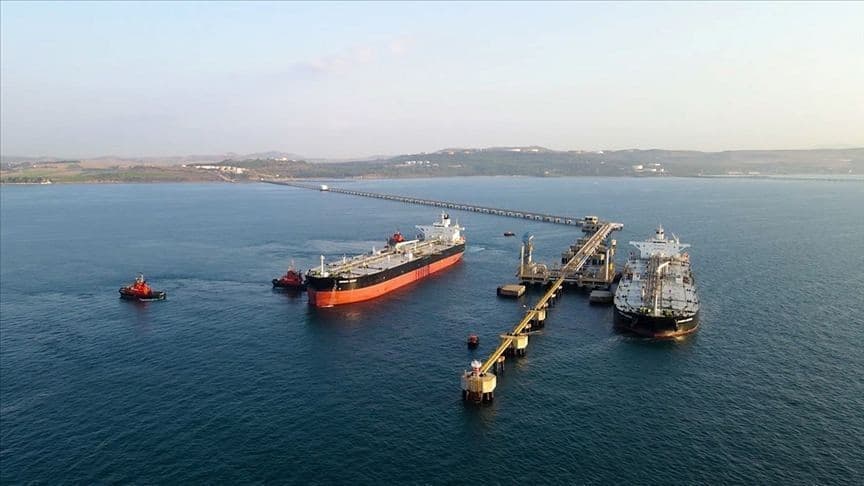
There's a dangerous calm in the oil markets right now, and it might not last much longer. Traders and analysts are watching a critical question unfold: what happens if the Strait of Hormuz remains blocked beyond March? The answer could mean significant pain at the pump and serious economic ripples worldwide.
The Middle East has already experienced substantial supply losses, and the shockwaves are reverberating across Asia, a region that relies heavily on Gulf oil and gas imports. Yet somehow, the oil market appears to be sleepwalking through this crisis, with prices not yet fully reflecting the severity of the supply disruption.
This disconnect between reality and market pricing is precisely what concerns energy analysts. Historically, when supply losses of this magnitude occur, markets react swiftly and decisively. But this time feels different—almost like the market is waiting for a wake-up call that might come too late.
**Why the Strait of Hormuz Matters So Much**
The Strait of Hormuz isn't just another waterway. It's arguably the world's most critical energy chokepoint, handling a massive portion of global oil trade. Any prolonged disruption here doesn't just affect the Middle East—it impacts energy prices worldwide. When supply from this region tightens, it creates a cascade effect through international markets, eventually reaching consumers everywhere.
Asia's vulnerability is particularly acute. The region's economies have grown increasingly dependent on steady flows of oil and gas from the Gulf. A sustained blockade would force Asian markets to scramble for alternative sources, driving up prices not just for oil, but for all forms of energy.
**The Complacency Problem**
What makes this situation especially precarious is market complacency. When prices don't immediately reflect bad news, it can mean one of two things: either the market genuinely believes the situation will resolve quickly, or it's simply not pricing in the full risk. If it's the latter, we could see a dramatic correction when reality finally catches up.
The oil market has a history of sudden moves higher when supply shocks persist longer than expected. If the Strait of Hormuz blockade extends through March and beyond, we could witness exactly that kind of reversal—a sharp, painful spike that leaves market participants wondering why they didn't see it coming.
**What This Means for You**
Beyond the technical analysis and market mechanics, the real impact comes at the consumer level. Energy prices affect everything from transportation costs to heating bills to the price of goods shipped across the globe. A significant oil price spike would ripple through the entire economy, affecting inflation, consumer spending, and ultimately, your wallet.
The message is clear: the oil market may be calm now, but that doesn't mean the underlying risks have disappeared. Sometimes, the most dangerous moments are the quiet ones, right before the storm breaks. If the Strait of Hormuz blockade persists, the market's rude awakening could be closer than anyone expects.
No comments yet. Be the first!