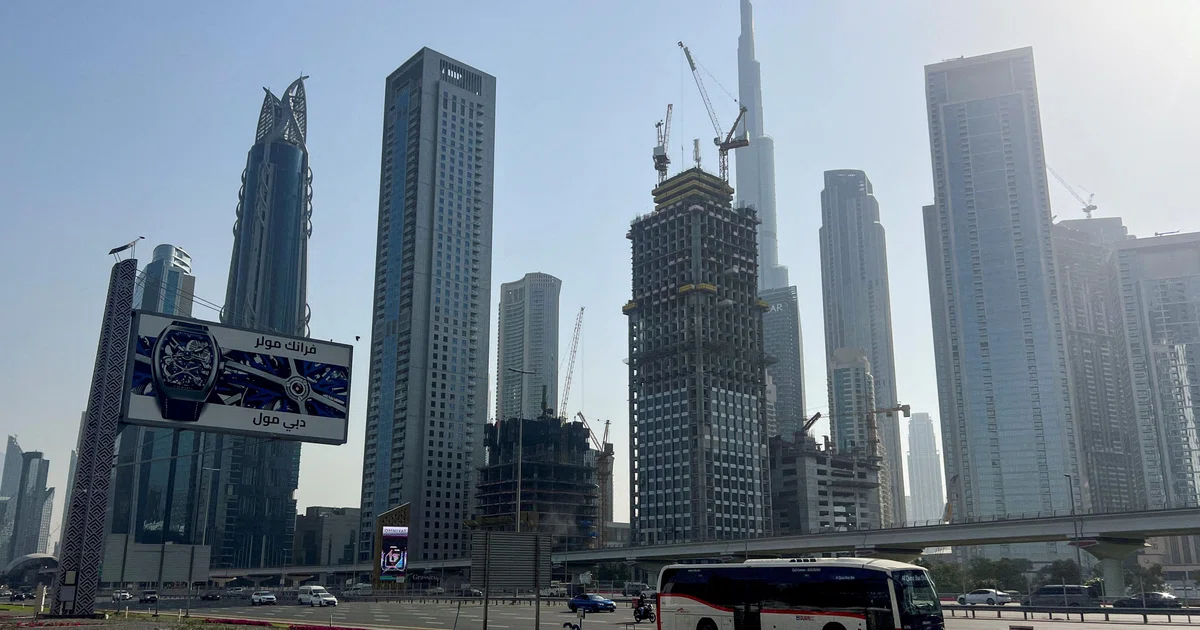
Dubai has long marketed itself as the world's premier destination for international wealth management. With its modern infrastructure, tax advantages, and strategic geographical location, the emirate has successfully positioned itself as a neutral playground where the world's richest families can comfortably park their fortunes.
But the current geopolitical climate in the Gulf is challenging that carefully cultivated image.
**The Stability Question**
Prolonged conflict in the region is forcing Asian family offices to confront an uncomfortable reality: can Dubai truly remain a safe haven when tensions continue to simmer around it? For wealth managers and family office leaders who have built their strategies around regional stability, this question is no longer theoretical—it's becoming increasingly urgent.
The concern isn't unfounded. Family offices manage generational wealth, and their decisions are measured in decades, not quarters. When geopolitical risks rise, even the perception of instability can trigger major portfolio reviews and strategic reassessments.
**Rethinking the Dubai Strategy**
Some of Asia's most sophisticated wealth managers are now actively evaluating whether Dubai can continue serving as a neutral base for their operations. This represents a significant shift in sentiment. These institutions have invested considerable time, resources, and trust in establishing their presence in the emirate. A fundamental reassessment of that strategy would be costly and disruptive.
Yet the potential risks are prompting action. Family offices are asking hard questions: What happens if regional tensions escalate further? How exposed are our assets if uncertainty increases? Are there better alternatives that offer comparable benefits with lower geopolitical risk?
**The Broader Implications**
This reassessment has implications that extend far beyond Dubai itself. The emirate's wealth management sector has become a crucial pillar of its economy. If major family offices begin to diversify their regional presence or shift assets elsewhere, it could signal a meaningful change in how the world's wealthiest view the Gulf's investment landscape.
Additionally, the situation highlights how even the most strategically positioned financial hubs are vulnerable to forces beyond their control. Dubai's success has been built on meticulous positioning and management of its image. But no amount of marketing or infrastructure investment can fully insulate a region from external geopolitical realities.
**Looking Forward**
Whether Dubai can retain its status as the preferred wealth management hub for Asian family offices will depend on several factors: how regional tensions evolve, whether stability can be credibly restored, and how competitive alternatives position themselves.
For now, the question hanging over Dubai's wealth management sector is clear: in an uncertain world, can neutrality still be guaranteed? The answer from some of Asia's largest family offices appears to be increasingly uncertain.
No comments yet. Be the first!