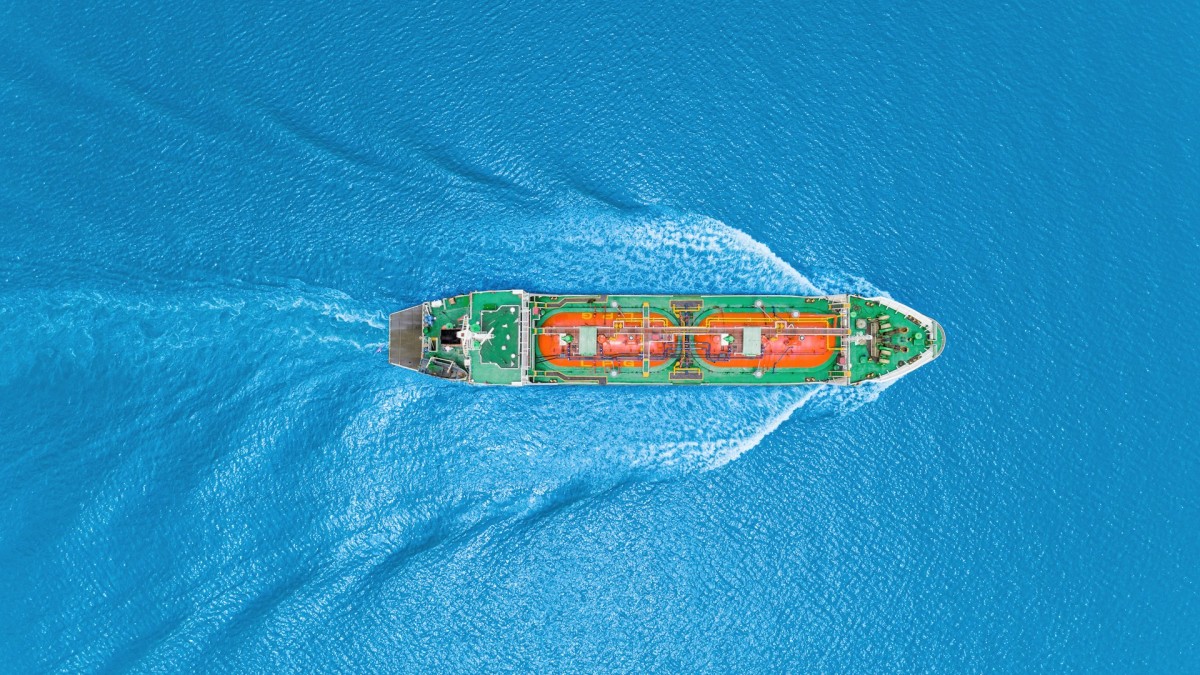
The geopolitical tension in the Middle East just got more complicated. A Chinese-owned tanker operating under U.S. sanctions has successfully passed through the Strait of Hormuz—one of the world's most strategically important waterways—despite an American naval blockade of Iranian ports that began on Monday.
According to data compiled by tracking firms Kpler and MarineTraffic, the vessel made its transit through the chokepoint early in the week, slipping past U.S. naval operations designed to restrict Iranian oil exports. This incident highlights the ongoing cat-and-mouse game between Western sanctions enforcement and countries seeking to circumvent restrictions.
The Strait of Hormuz is arguably the world's most critical energy chokepoint, with roughly one-third of globally traded seaborne crude oil passing through its narrow waters. Control over this passage has long been a flashpoint for international tensions, particularly between the United States and Iran. The successful transit of a sanctioned vessel during an active blockade sends a powerful message about the practical limitations of naval enforcement in contested waters.
China's role in this scenario is particularly noteworthy. As a major energy importer, China has consistently maintained economic ties with Iran despite U.S. pressure to isolate the country. The use of Chinese-owned tankers to transport Iranian oil represents a calculated challenge to American economic sanctions policy.
The incident raises important questions about the future of sanctions enforcement in the region. While the U.S. maintains significant naval presence in the area, completely preventing all unauthorized shipping appears to be an increasingly difficult task. As global energy demands shift and relationships between major powers continue to evolve, the strategic importance of the Strait of Hormuz—and control over its shipping lanes—will likely remain a central concern for policymakers worldwide.
This passage underscores the complex realities of modern sanctions regimes and the determination of nations to protect their economic interests, even in the face of significant geopolitical pressure.
No comments yet. Be the first!