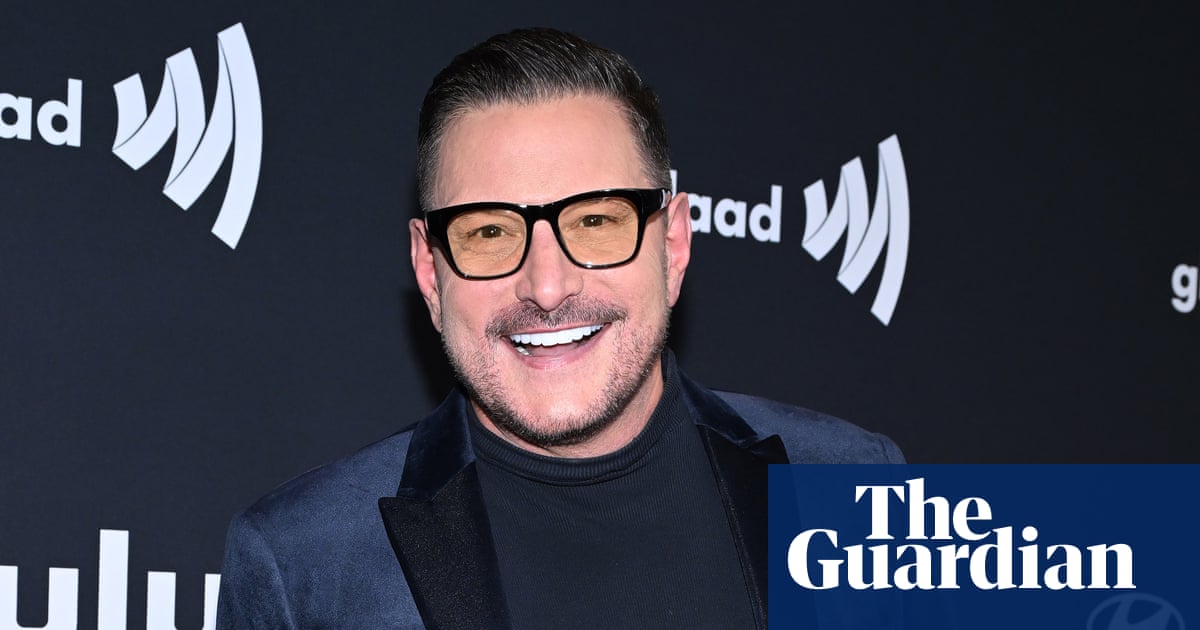
On June 14, 1995, Ty Herndon's world was on top of the country music charts. With a number one single and a platinum-bound album, the Nashville star seemed destined for superstardom. But that morning, his arrest on charges related to his sexuality threatened to unravel everything he'd worked for. The incident became a turning point—not immediately, but eventually.
What's striking about Herndon's story isn't just the arrest itself, but what it revealed about the culture of country music at the time. In his own reflective words, Herndon explained the impossible choice he faced: "The drugs could be forgiven. Being gay definitely could not." This devastating insight captures the deeply ingrained homophobia that permeated the industry during the '90s and beyond.
Instead of coming out after that fateful day, Herndon made the difficult choice to stay silent. For decades, he continued his career while hiding a fundamental part of his identity. The fear was real and rational—in an industry built on tradition and conservative values, being openly gay could mean losing record deals, radio play, and the support of fans. Unlike some other industries that were beginning to shift their attitudes, country music remained a space where secrecy seemed like survival.
What makes Herndon's eventual decision to come out so significant is the courage it represents. Coming out later in life, after establishing himself as an artist, allowed him to do so on his own terms. But it also highlighted the painful reality that even successful artists felt compelled to hide who they were for fear of losing their careers and reputations.
Herndon's experience shines a light on the broader issue of LGBTQ+ inclusion in country music—an industry that has historically been slower than others to embrace openly gay and lesbian artists. His story isn't unique; it reflects a pattern of talented musicians and performers feeling forced to choose between their authentic selves and their professional success.
Today, Herndon stands as a voice for change and authenticity in country music. His willingness to speak openly about his past and his identity has helped shift conversations within the industry. Younger artists now have better models of LGBTQ+ visibility in country music, though challenges certainly remain.
The contrast between his experience in 1995 and today illustrates both progress and the distance still left to travel. While country music has evolved, Herndon's story serves as a reminder of the cost of silence and the importance of creating spaces where all artists—regardless of sexual orientation—can thrive authentically.
No comments yet. Be the first!