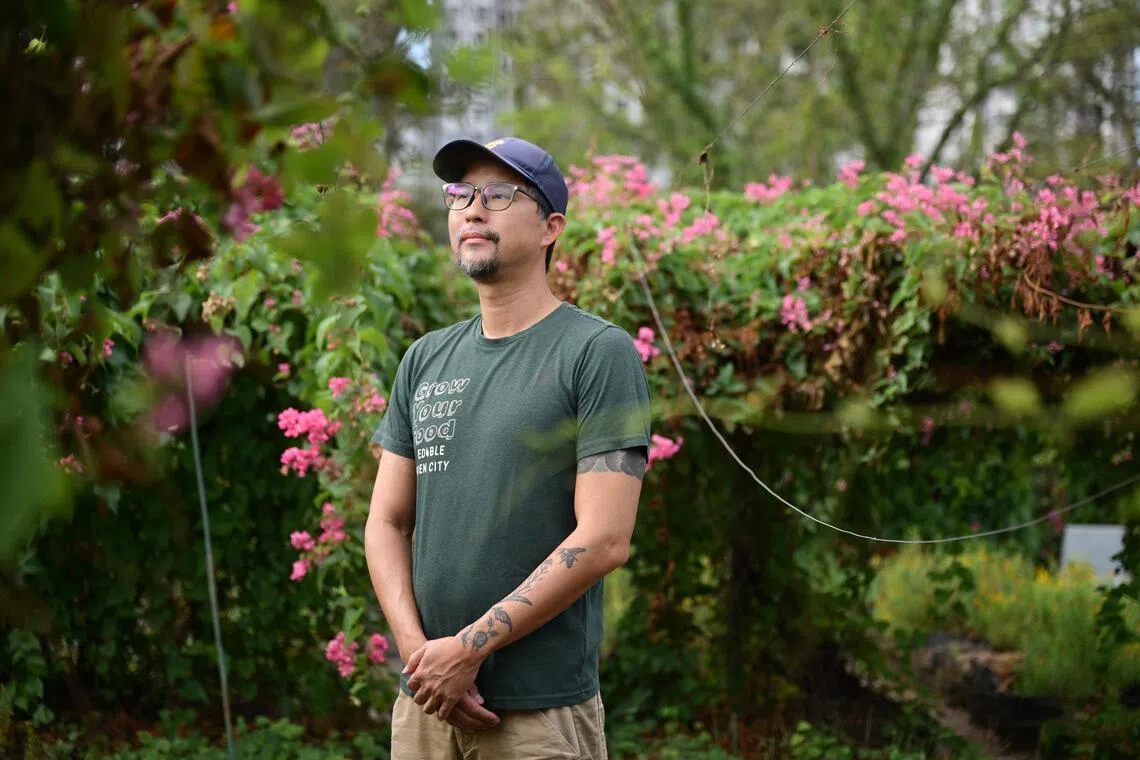
It's a bittersweet moment for the Singapore gardening community. Edible Garden City (EGC), the cherished community farm that has called Queenstown home for the past ten years, will be packing up by the end of June. The reason? The government has decided to take back the land once the lease expires—a decision that marks the end of a significant chapter for this pioneering urban agriculture project.
For a decade, EGC has been more than just a farm; it's been a gathering place where Singaporeans could roll up their sleeves, get their hands dirty, and grow their own food. It's been a beacon for urban farming enthusiasts, environmental advocates, and families looking to connect with nature in our concrete jungle. But like many grassroots initiatives operating on borrowed land, the reality of Singapore's space constraints has finally caught up.
This situation isn't unique to EGC. Experts point out that this is merely one of many cases highlighting the ongoing tension between urban development and community-led initiatives in Singapore. As the island nation grapples with limited land resources and competing development priorities, spaces dedicated to community farming and green projects often find themselves vulnerable to reclamation.
So what comes next for Edible Garden City? That's the million-dollar question keeping the community on edge. The farm's future remains uncertain as stakeholders ponder their options. Will they find a new home? Will they adapt their model? These are the pressing questions that need answering.
What makes this situation particularly poignant is the ripple effect it creates. Beyond the physical loss of the farm, there's a loss of institutional knowledge, community bonds, and momentum that EGC has built over the years. The volunteers, the regular gardeners, the school groups—they're all facing disruption to their urban farming journey.
At the same time, EGC's decade-long presence has undoubtedly made an impact on Singapore's urban agriculture landscape. It has inspired conversations about food security, sustainability, and the importance of green spaces in our densely populated city. It has shown that community-driven farming is possible, even in a space-scarce environment.
The clock is ticking until the end of June, and the community is watching closely to see what EGC's next chapter will look like. Whether the farm relocates, reimagines itself, or takes on a completely new form remains to be seen. What's clear is that the passion and commitment behind Edible Garden City won't simply disappear with the lease.
For those invested in urban farming and community agriculture in Singapore, this moment serves as both a reminder of the challenges these initiatives face and an opportunity to advocate for more sustainable, long-term support for grassroots green projects. The conversation is far from over.
No comments yet. Be the first!