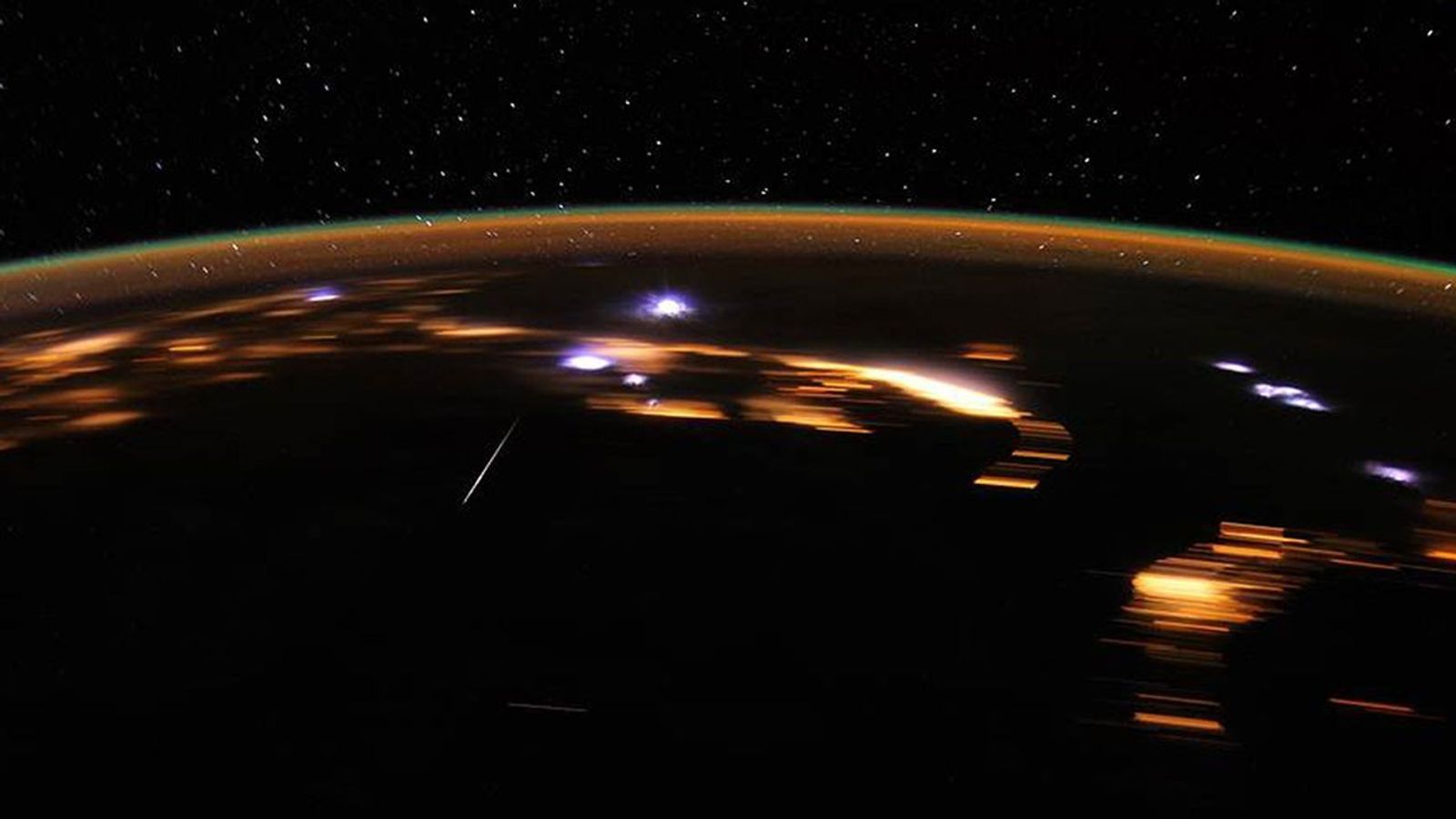
Mark your calendars for Wednesday, April 22—the night when the famous Lyrid meteor shower reaches its peak, painting the spring sky with streaks of light. This celestial phenomenon isn't just any meteor shower; it's one of the oldest recorded in human history, with documented sightings dating back thousands of years.
What makes this year's Lyrid display particularly special is the moonless sky forecast. A new moon means minimal light pollution from our nearest celestial neighbor, giving you the clearest possible view of these ancient cosmic particles as they burn through Earth's atmosphere. For astronomy enthusiasts and casual stargazers alike, this is a rare opportunity not to be missed.
The Lyrids occur when Earth passes through debris left behind by Comet Thatcher, a visitor that swings by our solar system once every 415 years. As these dust particles collide with our atmosphere at speeds exceeding 100,000 miles per hour, they create the brilliant flashes we call shooting stars. During peak hours, observers in ideal conditions can spot anywhere from 10 to 20 meteors per hour.
To experience the meteor shower at its finest, find a location far from city lights and allow your eyes at least 20-30 minutes to adjust to the darkness. There's no need for binoculars or telescopes—the best views come with your naked eye looking straight up. Pack a blanket, lie back, and let your gaze wander across the night sky. For the best viewing window, plan to watch between midnight and dawn, when your location faces directly into the meteor stream.
The Lyrids will be visible from April 16-25, but Wednesday's peak offers the highest frequency of sightings. Whether you're a seasoned astronomy buff or experiencing your first meteor shower, this cosmic event connects you to thousands of years of human wonder under the stars. Don't let cloudy skies deter you either—even partial views of these celestial visitors are worth the effort. Bundle up, step outside, and prepare to be amazed by one of nature's greatest shows.
No comments yet. Be the first!