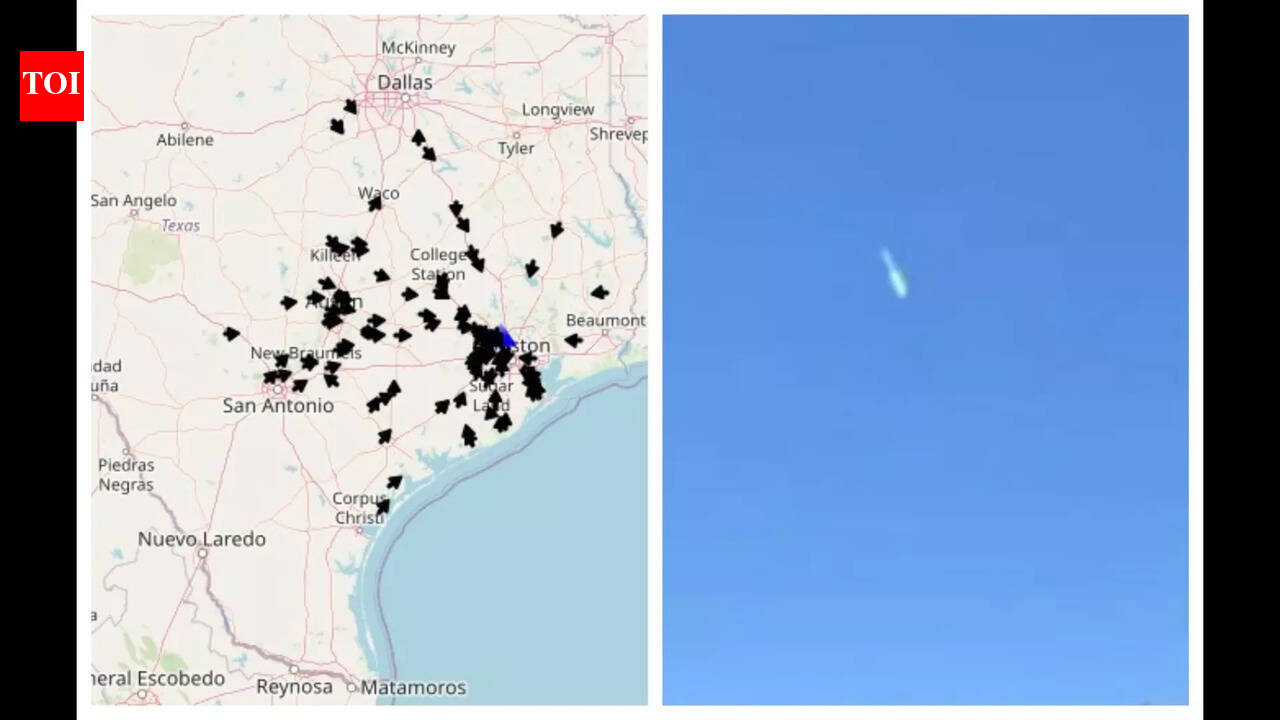
It was just another Saturday afternoon in Houston when something extraordinary happened. Around the same time many residents were going about their weekend, a loud boom echoed across the city that sounded like a massive explosion. But this wasn't fireworks or construction—it was something far more cosmic.
Multiple Houston residents reported witnessing fireballs lighting up the sky before plummeting to Earth, leaving behind trails of black smoke. The sightings sparked excitement and curiosity throughout the area, with people taking to social media to share what they'd witnessed. For many, it seemed clear: a meteorite had entered Earth's atmosphere.
One Houston woman took the claims even further, asserting that a space rock had actually crashed through her roof. Her dramatic account added fuel to the fire, capturing the imagination of local residents and attracting the attention of authorities and space agencies alike.
The Brenham Fire Department responded to the reports and launched an investigation into the incident. As details emerged, the story began spreading beyond Houston, reaching national news outlets and sparking widespread interest in what had happened in the Texas sky.
But here's where things get interesting: NASA weighed in on the claims, and their explanation differs from what some residents believed they'd witnessed.
**What Did NASA Actually Say?**
While the agency confirmed that there were indeed reports of unusual activity in the sky, NASA's assessment provided a more measured perspective on what residents experienced. Rather than confirming a meteorite impact, the space agency offered alternative explanations for the boom and sky phenomena witnessed that afternoon.
The bright flashes and sounds could be attributed to several natural phenomena. Meteor activity does occur regularly, but not every fireball in the sky results in a meteorite reaching the ground. Many space rocks burn up completely as they enter Earth's atmosphere, creating the spectacular light shows that people see—without ever producing debris that lands on homes.
Sonic booms can also result from various sources, and without physical evidence of a meteorite, it's difficult to definitively confirm that a space rock caused the disturbance.
**The Investigation Continues**
The case of the Houston meteor sighting highlights an important aspect of space science: eyewitness accounts, while valuable, need to be corroborated with physical evidence. The woman's claim about the hole in her roof would certainly provide such evidence, but NASA's preliminary assessment suggests caution before jumping to conclusions.
For Houston residents, the Saturday afternoon mystery serves as a reminder of how little we sometimes understand about the activity happening above our heads. Whether it was a meteor, a sonic boom, or something else entirely, the incident sparked curiosity and conversation about our place in the cosmos.
The investigation by local authorities and any potential analysis by space agencies could still reveal more details about what happened. Until then, the mysterious boom and fireballs remain one of Houston's most intriguing recent events.
No comments yet. Be the first!