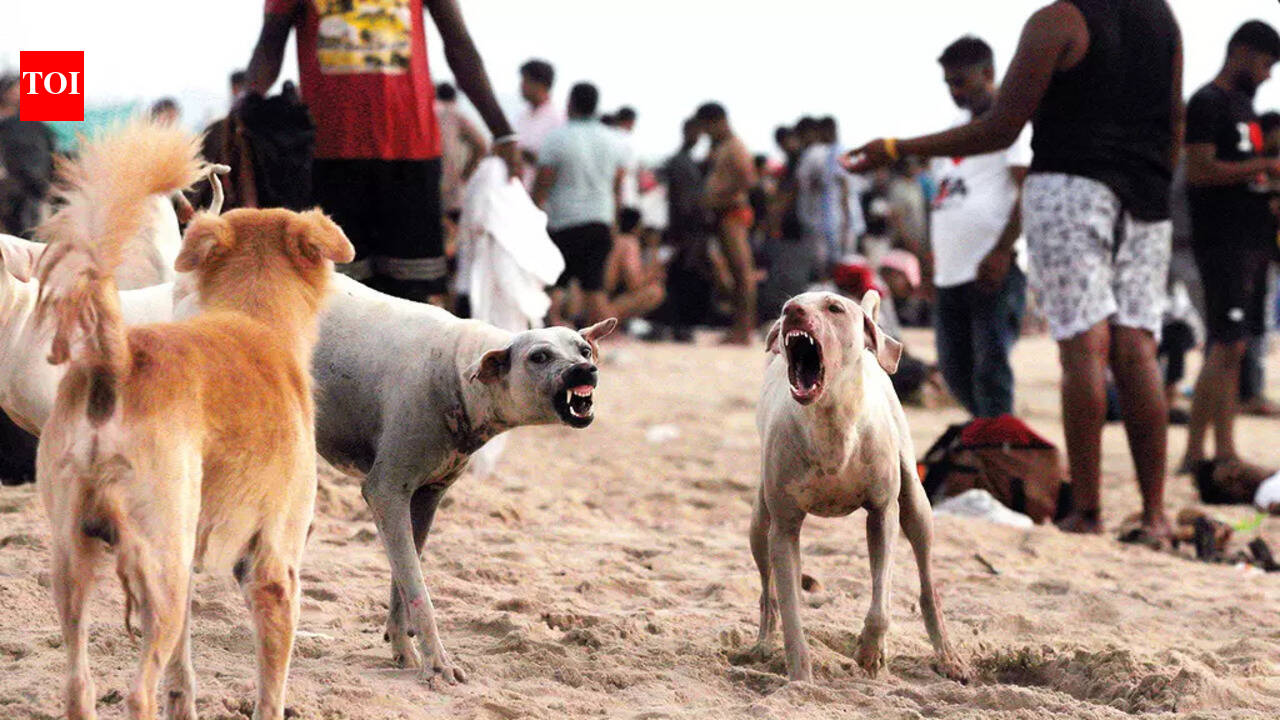
Goa has long taken pride in its achievements in rabies control, a milestone that represented years of dedicated effort by animal welfare organizations and health authorities. However, this success story now faces an unexpected challenge: the alarming rise of canine distemper cases across the state.
Canine distemper is a highly contagious viral disease that affects dogs and other wildlife species. Unlike some illnesses, this virus is often fatal and currently incurable, making it a particularly devastating concern for pet owners and animal welfare advocates alike. The rapid spread of this disease through Goa's canine population has emerged as a pressing issue that demands immediate attention and coordinated action.
Animal welfare groups across the state have raised serious concerns about the outbreak. The situation is complicated by the fact that affected animals—many of them strays—often suffer prolonged, painful symptoms before succumbing to the disease. For compassionate individuals and organizations dedicated to animal care, witnessing this suffering has become an increasingly difficult reality.
Beyond the immediate animal welfare implications, the crisis presents an unexpected sanitation challenge. The disposal of animal carcasses poses significant health risks to communities and the environment. As cases mount, the proper management of deceased animals becomes logistically complex and resource-intensive. Without adequate protocols and facilities for safe disposal, these remains can become breeding grounds for secondary infections and attract disease vectors, potentially affecting public health.
The timing of this outbreak is particularly ironic. Goa's success in controlling rabies—a disease that claimed numerous lives and required substantial public health interventions—represents what coordinated effort and sustained commitment can achieve. The canine distemper outbreak now threatens to overshadow these accomplishments and highlights the fragile nature of animal disease management.
The challenges are multifaceted. First, there's the immediate need for prevention and containment strategies. Vaccination campaigns, when feasible, could help protect healthy animals. However, reaching stray populations presents logistical challenges that require careful planning and community cooperation.
Second, there's the pressing need for infrastructure to handle the disposal of infected and deceased animals safely and humanely. Third, animal welfare organizations require adequate resources and support to address the welfare implications of this outbreak.
What makes this situation particularly urgent is that canine distemper doesn't just affect individual animals—it can spread rapidly through populations, especially among unvaccinated strays. The virus's incurable nature means prevention through vaccination is the only viable strategy for protecting vulnerable populations.
As Goa grapples with this emerging crisis, the situation serves as a stark reminder that disease control requires constant vigilance and adaptation. The state's success with rabies control provides a blueprint for addressing this new challenge: coordinated effort, adequate resources, community awareness, and support for animal welfare initiatives.
The coming months will be critical. How Goa responds to the canine distemper outbreak will determine whether the state can maintain its reputation as a leader in animal health management or whether this new threat will undermine years of progress.
No comments yet. Be the first!