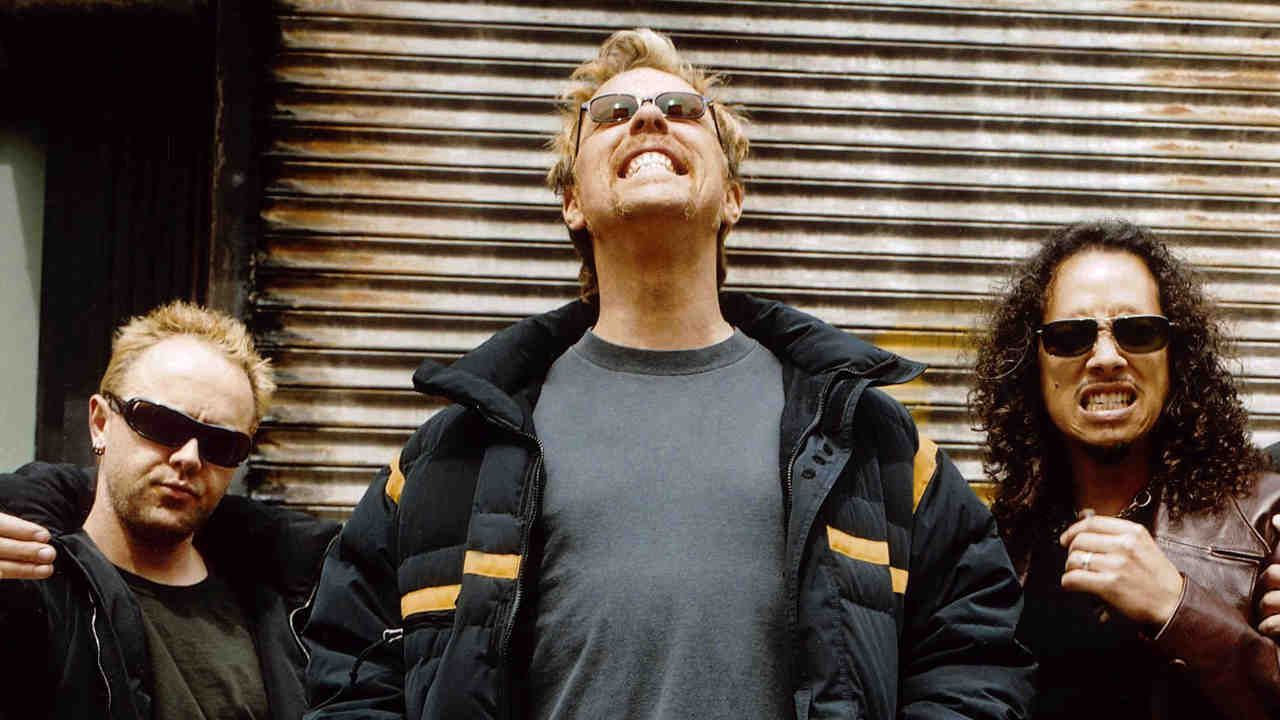
There's a moment in Metallica: Some Kind of Monster that feels almost too raw to witness. Lars Ulrich, the band's drummer, is screaming into James Hetfield's face during a therapy session—a moment that could have ended in physical confrontation but instead became one of the most honest exchanges ever captured in a music documentary.
This extraordinary scene encapsulates why Some Kind of Monster remains a landmark achievement in metal filmmaking. Released in 2004, the documentary didn't just chronicle Metallica's creative process; it exposed the deep, festering tensions that had been building between band members for decades. Rather than presenting a polished, carefully curated narrative, directors Joe Berlin and Bruce Sinofsky brought viewers into the messy reality of one of the world's biggest rock bands teetering on the edge of collapse.
The documentary followed Metallica as they worked on what would become their self-titled album, commonly known as "The Black Album" of the 2000s. But instead of focusing solely on studio sessions and recording techniques, the film pulled back the curtain on the emotional and interpersonal dynamics that defined the band during this critical period. The chemistry between members was fractured, creative differences ran deep, and the addition of a therapist to help the band navigate their conflicts added an unusual element to the filmmaking.
What made Some Kind of Monster so groundbreaking was its willingness to show vulnerability in an industry built on bravado and invulnerability. Metal fans expected their heroes to be unshakeable, but here were the members of Metallica—one of the genre's biggest names—working through genuine relationship issues with a therapist present. It was uncomfortable, revealing, and utterly compelling.
The documentary also captured something essential about the creative process itself. Watching James Hetfield wrestle with lyrics and melodies, seeing the band members debate musical direction, and observing how ego and artistry collide—these moments offered insight that transcended metal fandom. Any creative professional could relate to the struggle between individual vision and collective compromise.
The tension between Lars and James, which forms a central thread throughout the film, represents the classic creative partnership conflict: two artists with strong personalities and equally strong visions trying to forge a unified direction. Rather than shy away from these conflicts, the documentary leaned into them, creating a portrait of a band that was simultaneously falling apart and finding new depth through honest communication.
Years later, Some Kind of Monster is remembered not just as a metal documentary, but as a significant entry in the broader landscape of music filmmaking. It proved that authenticity resonates with audiences far beyond the band's fanbase, and that the messiness of creativity—the screaming, the therapy sessions, the uncomfortable truths—can be more fascinating than any polished final product.
For Metallica, the documentary became a turning point. By confronting their internal conflicts head-on and allowing cameras to capture it all, the band emerged stronger, more self-aware, and with a renewed sense of purpose. Sometimes, it takes a documentary to show you who you really are.
No comments yet. Be the first!