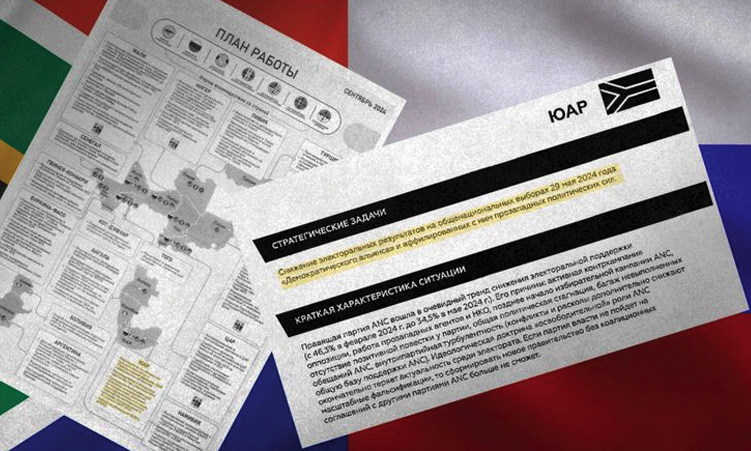
In an era of increasing global tensions and digital warfare, a significant data leak reviewed by investigative journalism consortium 'Forbidden Stories' and its partners has unveiled a sobering reality: Russian influence agents have been conducting covert operations across Southern African nations during critical election cycles between 2019 and 2025.
The investigation paints a picture of systematic foreign interference that goes far beyond simple propaganda. In Johannesburg, intelligence reports indicate that secret meetings were strategically orchestrated, suggesting a coordinated effort to shape political outcomes. This isn't mere speculation—it's documented evidence from leaked materials that reveal the machinery of influence operations at work.
What makes this discovery particularly concerning is its scope and sophistication. Russian operatives didn't simply spread misinformation through social media bots or purchase political advertisements. Instead, they engaged in complex, multi-layered campaigns designed to exploit existing political divisions, amplify social tensions, and ultimately influence electoral outcomes in countries where democratic institutions are still developing strong defenses against such attacks.
The timing of these operations is significant. The period between 2019 and 2025 encompasses multiple election cycles across the region—moments when nations were making critical decisions about their political futures. By targeting these vulnerable moments, foreign actors sought to capitalize on existing uncertainties and shape the trajectory of Southern African politics.
For citizens in affected countries, this revelation raises uncomfortable questions about the legitimacy of recent electoral outcomes. How much did these covert operations actually influence voting behavior? Which political figures or parties may have unknowingly benefited from foreign support? Were voters making genuinely informed choices, or were they being manipulated by invisible hands pulling strings behind the scenes?
The broader implications extend beyond individual elections. These operations represent a direct threat to democratic sovereignty and self-determination. When foreign powers actively work to shape the political landscape of other nations, they undermine the fundamental principle that citizens should determine their own futures. This is particularly troubling in regions still strengthening their democratic institutions.
The leak also highlights the sophisticated nature of modern information warfare. Traditional election monitoring focuses on visible irregularities—ballot stuffing, intimidation at polling stations, or obvious propaganda. But Russian influence operations work differently. They're subtle, strategic, and designed to be difficult to detect. By the time evidence emerges, the damage may already be done.
For policymakers, security agencies, and election officials across Southern Africa, this investigation should serve as a wake-up call. There's an urgent need for enhanced cybersecurity measures, media literacy campaigns, and international cooperation to identify and counter foreign interference attempts. Transparent investigations into recent elections may also be necessary to restore public confidence in democratic processes.
As nations worldwide grapple with similar threats to their electoral integrity, the Southern African case demonstrates that no region is immune to these operations. The question isn't whether foreign interference will happen again—it's how effectively governments and citizens can detect, expose, and prevent it.
No comments yet. Be the first!