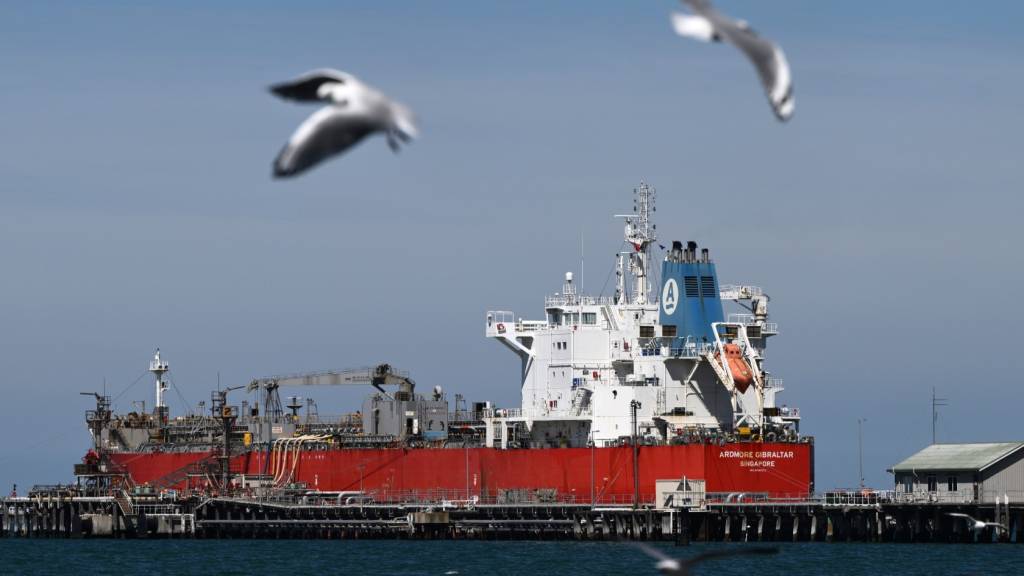
When Britain entered World War I, the government didn't hesitate. Within hours, railways were nationalized. Within days, a national maritime insurance scheme was established to protect shipping and cargo losses. The speed and decisiveness of that response ensured Britain could maintain its supply lines during an existential threat. A century later, Australia faces its own supply crisis—but this time, it's one we've created ourselves.
The comparison is striking because it highlights a fundamental difference in governance and foresight. During wartime, Britain recognized that energy security and supply chains were matters of national survival. The government took control, implemented safeguards, and ensured continuity. Australia, by contrast, has stumbled into a fuel crisis despite having decades to prepare and the resources to prevent it.
So how did we get here? The answer lies in a combination of policy missteps, underinvestment in infrastructure, and a failure to plan ahead. Australia has long relied on fuel imports for a significant portion of its consumption, yet little was done to strengthen domestic production or secure reliable supply chains. When global disruptions inevitably occurred—whether through geopolitical tensions, shipping disruptions, or refinery closures—Australia found itself vulnerable.
The irony is particularly sharp when you consider Australia's natural advantages. We're a resource-rich nation with some of the world's largest energy reserves. We have the technological capacity and capital to maintain fuel independence. Yet despite these advantages, successive governments failed to implement the kind of strategic planning that characterized Britain's wartime response.
What's needed now is the same clarity of purpose that Britain demonstrated over a century ago. This isn't just about economics; fuel security is a matter of national interest. Without reliable fuel supplies, everything from agriculture to transport to emergency services becomes vulnerable. The ripple effects touch every aspect of society.
The solution requires action on multiple fronts: investment in domestic refining capacity, strategic reserves, supply chain diversification, and infrastructure development. More fundamentally, it requires political will—the kind of decisive government intervention that modern Australian policymakers seem reluctant to embrace.
The lessons from wartime mobilization aren't just historical curiosities. They demonstrate what's possible when governments prioritize long-term strategic security over short-term market ideology. Australia doesn't face an external military threat requiring fuel supplies, but the principle remains the same: energy security is too important to leave entirely to market forces.
We have the resources, the expertise, and the time to fix this—if we act now. The alternative is to continue stumbling through preventable crises, reactive rather than proactive, hoping each disruption will be the last. That's not a sustainable energy strategy for a modern nation.
No comments yet. Be the first!