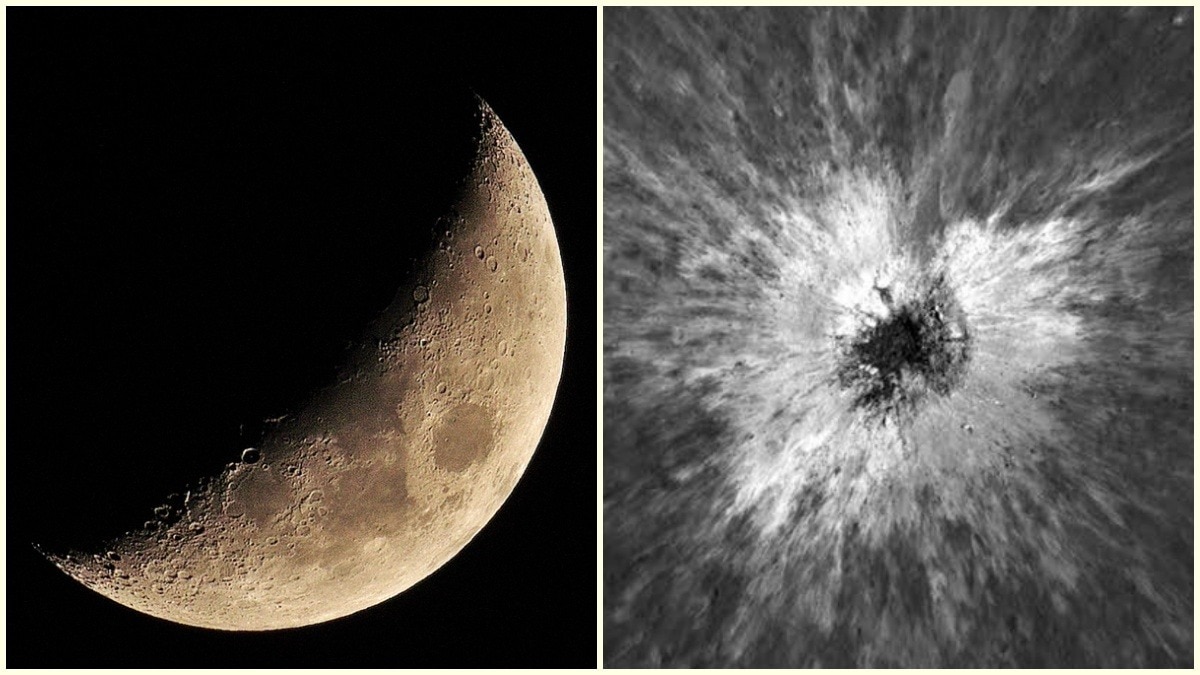
The Moon has been silently collecting impact scars for billions of years, but scientists have just made a discovery that's captured everyone's attention: a brand-new crater that's massive enough to qualify as a once-in-a-century event.
Researchers conducting routine image analysis from NASA's Lunar Reconnaissance Orbiter camera stumbled upon this enormous crater, and its sheer size has sent ripples through the scientific community. In an era when space agencies are actively planning lunar missions and establishing lunar bases, this discovery couldn't come at a more significant moment.
## What Makes This Discovery So Important?
The formation of large impact craters on the Moon isn't uncommon—it's been happening for eons. However, what makes this particular crater noteworthy is both its size and the timing of its detection. Scientists were able to identify it as a recent formation, meaning it occurred during a period when we actually have satellite imagery available to document it. This gives researchers an unprecedented opportunity to study a fresh lunar impact with modern technology.
The implications are profound. Every new crater tells us something crucial about the current threat landscape on the Moon's surface. With growing ambitions to establish permanent human presence on the lunar surface, understanding the frequency and scale of impacts becomes increasingly vital.
## Why Should We Care?
You might be wondering: why does a crater on the Moon matter to us here on Earth? The answer is straightforward—NASA and other space agencies are actively planning to send astronauts back to the Moon. We're talking about missions that will involve human habitats, equipment, and extended stays on the lunar surface.
Every impact crater represents a potential hazard. The debris cloud from a major collision can spread across vast distances, and the energy released can be enormous. Understanding the frequency of these impacts helps engineers design safer structures and helps mission planners choose optimal locations for lunar bases. They need to identify areas that are as protected as possible from future impacts.
## A Window Into the Cosmos
Beyond the practical concerns, this discovery offers scientists a rare gift: the chance to study a fresh crater in detail. Previous impact events occurred before we had the technological capability to observe them comprehensively. Now, with the Lunar Reconnaissance Orbiter and other advanced imaging systems, researchers can examine every aspect of this impact—the crater's structure, the composition of ejected material, and the forces involved.
This information helps us understand not just the Moon, but planetary bodies throughout our solar system. Impact dynamics are relevant to understanding how worlds form, how they change, and what environments might support life.
## Looking Forward
As we stand on the threshold of a new era of lunar exploration, discoveries like this serve as important reminders of the dynamic nature of the cosmic environment. They push us to be more thoughtful, more prepared, and more innovative as we venture back to the Moon.
The Moon's new crater isn't a threat to our dreams of lunar exploration—it's a message telling us to proceed with awareness, respect, and scientific rigor.
No comments yet. Be the first!