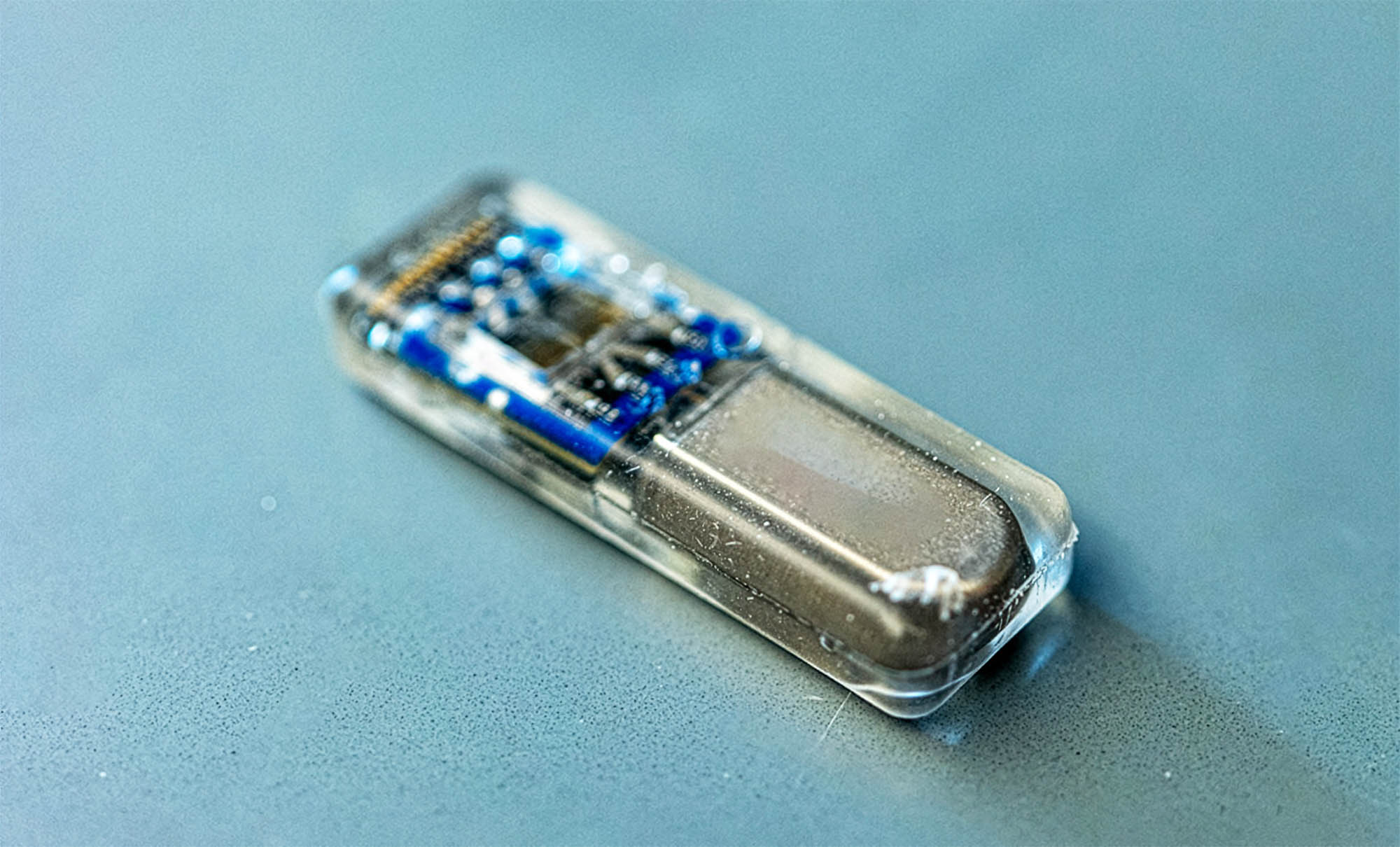
For decades, we've relied on a simple formula: take a pill, receive an injection, or use a patch to deliver medicine into our bodies. But what if there was a better way? What if your body itself could become a pharmaceutical factory, producing exactly the medication you need, exactly when you need it?
Scientists at Northwestern University are turning this science fiction concept into reality with a remarkable new implant technology. This tiny device represents a paradigm shift in medical treatment, offering a solution that could eliminate the need for traditional drug delivery methods while providing more precise, personalized medicine.
**How Does It Work?**
The implant functions like a miniature biological pharmacy. Rather than relying on external medication sources, it harnesses your body's natural capabilities to produce therapeutic compounds. This approach is not only innovative but also remarkably elegant in its simplicity—leveraging biological processes that already exist within us to solve medical problems.
The implications of this technology extend far beyond convenience. By having medicine produced directly within the body, patients could experience more consistent dosing, fewer side effects, and better treatment outcomes. There's no need to worry about remembering to take medications or dealing with the variable absorption rates that come with oral drugs.
**Why This Matters**
Chronic disease management has long been a challenge for patients and healthcare providers alike. The traditional approach requires careful monitoring of medication schedules, potential issues with medication adherence, and the burden of managing multiple prescriptions. For patients with conditions requiring ongoing treatment, this new implant technology could be transformative.
The Northwestern team's work demonstrates how emerging biotechnology can address real-world medical challenges. By combining advances in materials science, bioengineering, and molecular biology, researchers have created something that seemed purely theoretical just years ago.
**Looking Toward the Future**
While this technology is still in development, the potential applications are enormous. From managing autoimmune diseases to treating chronic pain, from hormone regulation to preventing rejection in transplant patients—the possibilities span nearly every area of medicine.
What makes this innovation particularly exciting is that it represents a fundamental shift in how we think about medicine delivery. Rather than introducing external substances into the body repeatedly, we're learning to work with our biological systems to create therapeutic solutions from within.
Of course, like any emerging medical technology, this implant will need to undergo rigorous testing and regulatory review before it becomes widely available. Researchers will need to ensure it's safe, effective, and reliable over extended periods.
But the groundwork has been laid. The Northwestern University team has proven the concept is viable, and that's just the beginning. As this technology develops further, it could reshape the landscape of modern medicine, offering patients a new kind of freedom—the freedom from constant medication management and the promise of more personalized, effective treatment.
The future of medicine might not be in pills or injections at all. It might be in the remarkable biological factory that's been with you all along: your own body.
No comments yet. Be the first!