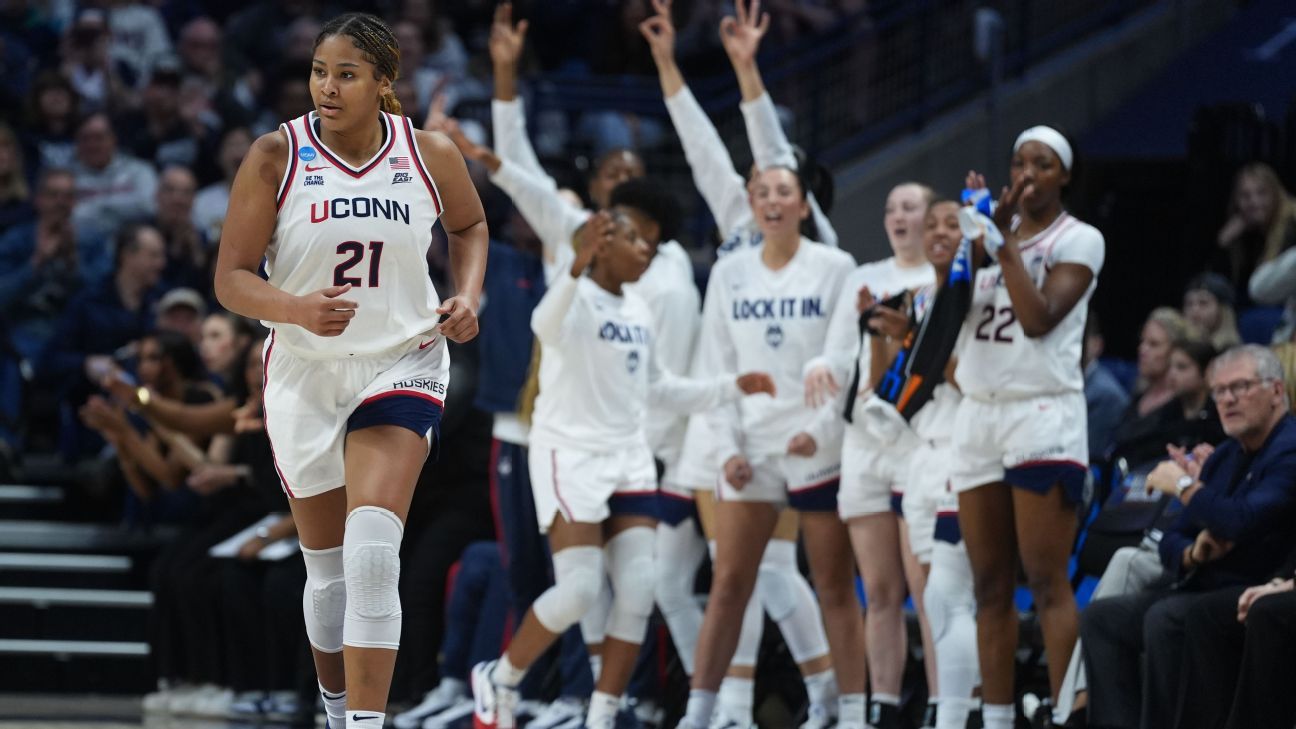
If you filled out your women's March Madness bracket by simply picking the higher seed every time, congratulations—you're probably doing better than most people this year.
For the third consecutive season, the women's NCAA tournament is showing us that major upsets are becoming the exception rather than the rule. In the first two days of competition, only three lower-seeded teams managed to pull off victories. That's an extraordinarily low number in a tournament famous for its unpredictability, and it tells us something important about the landscape of women's college basketball in 2026.
So what does this mean as we look ahead at the remaining 32 teams? Let's break it down.
**The Chalk is Dominating**
When we say "chalk," we're talking about picking the favorites and higher seeds—the "chalk" lines that oddsmakers and bracketologists set. This year, that strategy has been remarkably effective. The fact that only three lower-seeded teams have advanced is unprecedented in recent tournament history. It suggests that either the seeding has been particularly accurate this year, or that the gap between elite programs and mid-tier programs has widened considerably.
For bracket enthusiasts, this is both good news and bad news. The good news: if you went with conventional wisdom, your bracket might still be alive. The bad news: there's less opportunity for those "feel-good" Cinderella runs that make March Madness so magical.
**What the Elite Eight Really Looks Like**
With chalk holding so strong, the remaining 32 teams are likely dominated by the top seeds and powerhouse programs. This means we're looking at a tournament where the favorites aren't just favored—they're actually performing. Teams with established records, strong coaching, and deep benches are proving why they earned their high seeds.
This doesn't necessarily mean the tournament lacks drama. Even among elite teams, there are matchups that promise intense competition. The difference is that those matchups are likely happening between two strong programs rather than between a favorite and a surprising upstart.
**What This Says About Women's College Basketball**
The trend toward chalk dominance over three consecutive seasons suggests something more significant than just one year of accurate seeding. It could indicate that the top programs are pulling further ahead in recruiting, resources, and development. It might also reflect improved selection committee accuracy in seeding teams.
For fans of the sport, this is a moment to appreciate the quality of basketball being played by these remaining teams rather than lamenting the lack of Cinderella stories. The 32 teams still playing represent the cream of the crop—these are programs with established winning cultures and players operating at high levels.
**The Bottom Line**
As we move deeper into the tournament, remember that while the chalk may be holding strong, every possession still matters. March Madness is never truly predictable, even when the higher seeds are winning more consistently. The remaining 32 teams have each earned their spot, and the basketball ahead should be thrilling regardless of how many brackets remain alive.
The question now isn't whether we'll see upsets—it's whether the elite teams can live up to their seeding all the way through.
No comments yet. Be the first!