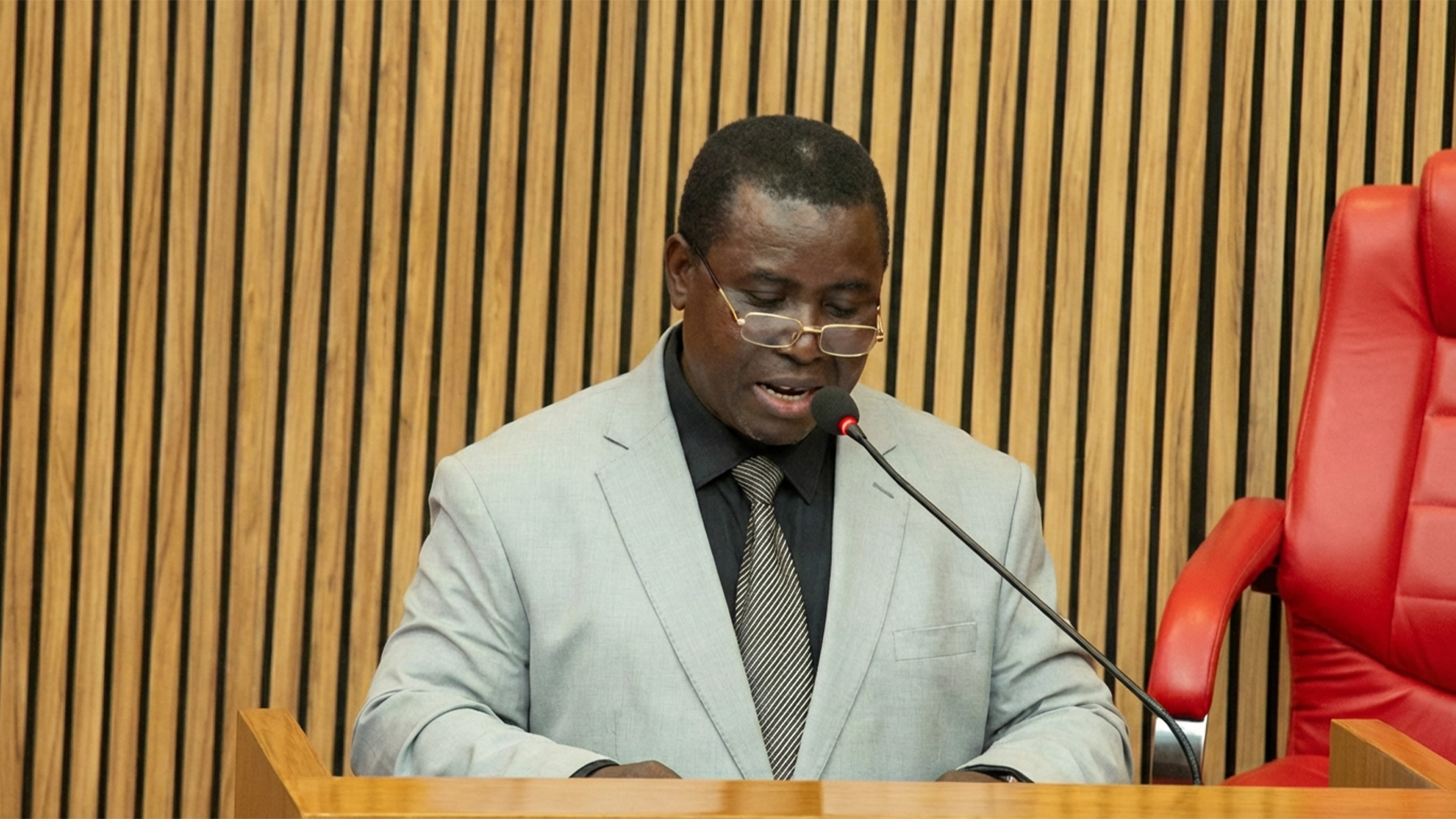
Nigeria's electoral landscape is heating up as mounting pressure threatens the tenure of Independent National Electoral Commission (INEC) Chairman Prof. Joash Amupitan. Multiple indicators suggest that the respected academic may soon be forced to step aside, sparking important conversations about leadership, accountability, and democratic governance.
The controversy surrounding Amupitan has grown increasingly vocal, with public denunciations from various quarters gaining momentum. These aren't mere whispers in political corridors—they represent a broader movement questioning his continued leadership of the institution responsible for conducting Nigeria's elections.
One critical voice in this debate is Oluwafemi, who has raised an alarming concern: any sudden departure of Amupitan could potentially undermine the nation's democratic stability. This perspective adds a layer of complexity to the situation. While critics demand change, observers worry that forced resignations of key institutional leaders during sensitive political periods could create dangerous vacuums and erode public confidence in democratic institutions.
The INEC chairmanship is one of Nigeria's most consequential positions. The commission oversees electoral processes that determine who leads the nation, making its leadership crucial to maintaining public trust. When questions arise about the chairman's viability, they inevitably cascade into broader concerns about electoral credibility.
What makes this situation particularly significant is the timing and the stakes involved. Nigeria's democratic journey has faced numerous challenges, and institutional continuity—even amid calls for accountability—plays a vital role in maintaining the delicate balance that keeps democratic processes functioning.
The debate now centers on critical questions: Should Amupitan resign? If so, under what circumstances? And critically, how can any transition be managed to protect electoral integrity and public confidence?
As this political drama unfolds, one thing is certain: the outcome will reverberate far beyond INEC's offices, potentially shaping Nigeria's political climate for months to come. Whether through resignation or continued tenure, the resolution of this matter will test Nigeria's institutional maturity and commitment to democratic principles.
No comments yet. Be the first!