The Strait of Hormuz is one of the most important waterways on Earth—and right now, it's at the center of an international standoff that could affect your wallet.
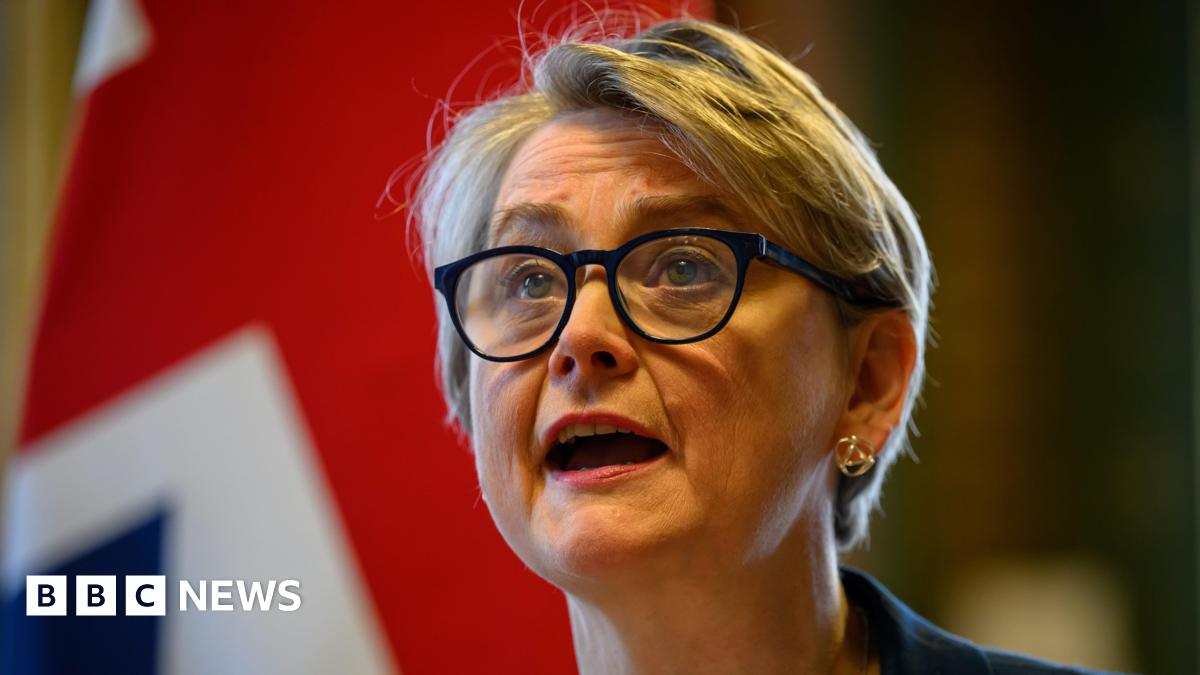
Foreign Secretary Yvette Cooper has publicly urged Iran to fully reopen the strait after ships in the Persian Gulf received warnings from the Iranian navy. The message was clear and troubling: vessels without permission would face attack.
So why does this matter? The Strait of Hormuz is the gateway through which roughly one-third of the world's seaborne oil passes. Think about that for a moment. Any disruption to shipping through this narrow channel doesn't just affect sailors and shipping companies—it ripples across the global economy, affecting energy prices, supply chains, and ultimately, everyday consumers.
Cooper's position is unambiguous. She's demanding that the waterway remain open to international traffic without tolls, restrictions, or threats. "Freedom of navigation is a fundamental principle," the message implicitly conveys. She's not alone in this concern. The international community relies heavily on the strait staying accessible and secure.
The situation highlights a broader tension in the Middle East and raises questions about maritime security, international law, and regional power dynamics. When major shipping routes become contested, the stakes are genuinely high—we're not just talking about abstract geopolitical concerns, but real economic consequences.
What makes this particularly significant is that it's not an isolated incident. Tensions in the Persian Gulf have been simmering for years, and the Strait of Hormuz has occasionally been a flashpoint. Any sustained disruption could drive up oil prices globally, affecting everything from transportation to heating costs.
The UK's foreign secretary calling for action publicly signals that Western governments are taking the threat seriously and won't tolerate interference with vital international shipping lanes. It's a reminder that global trade, despite feeling distant, depends on stable and secure maritime routes.
As the situation develops, all eyes will be on whether diplomatic pressure can defuse tensions and keep one of the world's most crucial waterways open and safe for international commerce.
No comments yet. Be the first!