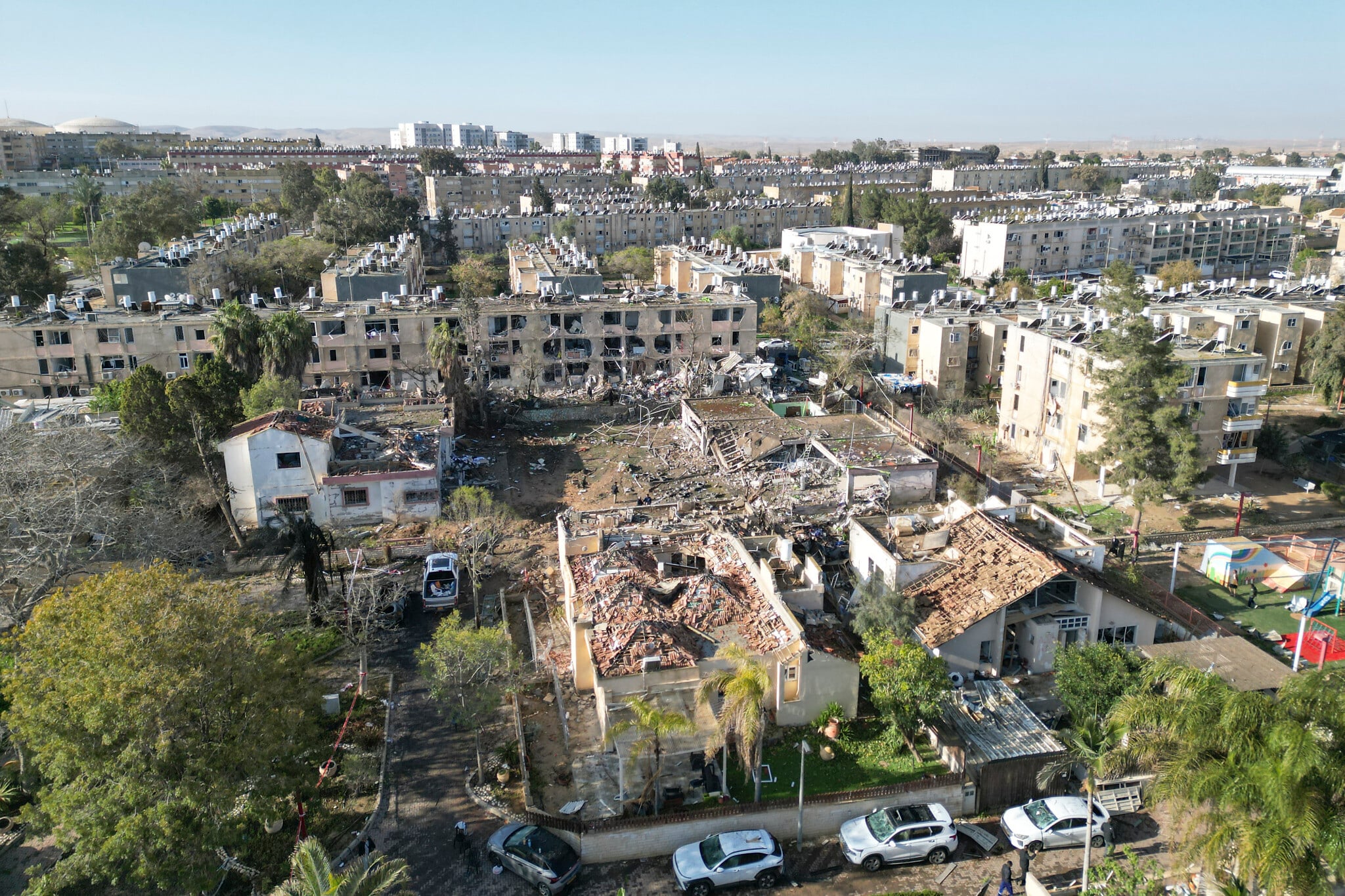
The weekend attack on Dimona marked a dramatic escalation in the ongoing conflict between Iran and Israel, leaving dozens injured and raising urgent questions about nuclear safety in the Middle East. However, a closer examination of the strike reveals a more nuanced story than initial headlines suggest.
Dimona, home to Israel's primary nuclear research reactor, has long been a symbol of Israeli military power in the region. When Iran's ballistic missiles targeted the facility this past Saturday, it sent an unmistakable message: no Israeli installation is beyond reach. But despite the dramatic nature of the strike and the damage sustained, nuclear experts have been surprisingly reassuring about the actual radioactive risk posed by the attack.
The key question on everyone's mind is whether such a strike could trigger a catastrophic nuclear disaster. The answer, according to specialists, is nuanced. While the damage was significant, the nature of the facility and its safety systems meant that a widespread radioactive release was unlikely. This is where the symbolic power of the strike diverges sharply from its technical impact.
What makes this attack particularly noteworthy is what it represents in the broader context of the US-Israeli campaign against Iran, now entering its fourth week. For Iran, striking Dimona was a way to demonstrate resolve and capability at a moment when the conflict shows no signs of cooling down. The message sent was clear: Iran possesses the technology and willingness to strike back against Israeli targets, even those as heavily fortified and strategically important as Dimona.
For Israel and its allies, the strike underscored vulnerabilities in their air defense systems and raised uncomfortable questions about civilian safety. The dozens of injuries, while thankfully not involving mass casualties, highlighted the real human cost of escalating regional tensions. This serves as a sobering reminder that even if a nuclear catastrophe was avoided, conventional damage and human suffering remain very real concerns.
The distinction between symbolic and radioactive fallout is crucial for understanding the true implications of Saturday's events. While the strike fell short of causing a nuclear disaster, it succeeded in its apparent objective: to demonstrate Iranian strength and determination. This is precisely the kind of escalation that experts have warned could destabilize the entire region further.
As the conflict continues, the focus must remain on de-escalation and diplomatic channels. The fact that Dimona withstood the strike without releasing dangerous radiation is fortunate, but it shouldn't breed complacency. Each attack, each retaliation, brings the region closer to a threshold that could have truly catastrophic consequences.
The coming weeks will be critical in determining whether cooler heads prevail or if the symbolic victories of strikes like the one on Dimona continue to replace dialogue and negotiation.
No comments yet. Be the first!