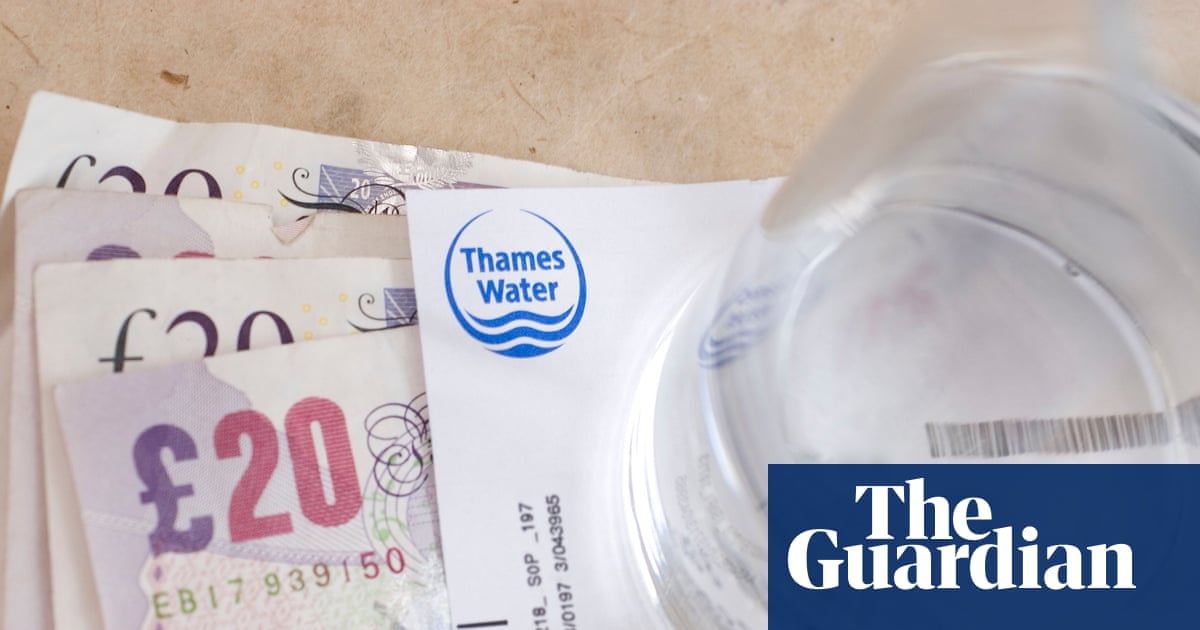
There are few things more unsettling than receiving an unexpected bill from a company you thought you were paying regularly. But that's precisely what happened to one Thames Water customer who recently received a shocking statement demanding payment for nearly £2,000 in backdated charges dating all the way back to 2020.
The culprit? Thames Water's own administrative error. The utility company had mistakenly stopped collecting the customer's direct debits years ago and, astonishingly, hadn't sent any billing notices in the intervening period. For approximately four years, the account sat dormant while charges accumulated silently in the background.
**The Company's Response Falls Short**
When confronted about the mistake, Thames Water acknowledged its error—a step in the right direction. The company even promised to write off some of the charges, suggesting a willingness to take responsibility. However, even with this partial concession, the customer was still left facing a substantial financial burden for a problem they didn't create.
This situation raises critical questions about accountability in the utilities sector. If a company makes a mistake in its billing system, who should bear the cost of that failure? Should customers be expected to pay for errors made by the company's administration, or should larger corporations absorb the cost of their own mistakes as a matter of principle?
**What This Means for Other Customers**
While this individual case might seem like an isolated incident, it highlights a systemic issue that could affect many households. If Thames Water's billing systems can fail for one customer for four years without notice, what's to prevent it from happening to others? The lack of regular billing statements meant this customer had no opportunity to catch the error early.
Most responsible billing practices involve sending regular statements—whether via post or email—to keep customers informed of their account status. The absence of any communication over four years is particularly concerning, especially given how dependent families are on water services.
**Lessons for Consumers**
For those paying utilities via direct debit, this case serves as a stark reminder to regularly review your account statements and billing history, even if payments seem to be going through smoothly. Don't assume silence from your utility company means everything is fine. Periodically check your online account portals, review bank statements for outgoing payments, and reach out if you haven't received a bill in several months.
Utility companies handle essential services that households depend on daily. With that responsibility comes an obligation to maintain accurate records and communicate transparently with customers. When they fail to do so, customers shouldn't be left footing the bill.
**The Bigger Picture**
This Thames Water situation underscores the need for stronger consumer protections in the utilities sector. Companies should be required to implement safeguards that catch billing anomalies quickly, and when they fail to do so, the financial consequences should fall on the company, not the customer. Until standards improve, staying vigilant about your own utility accounts remains your best defense.
No comments yet. Be the first!