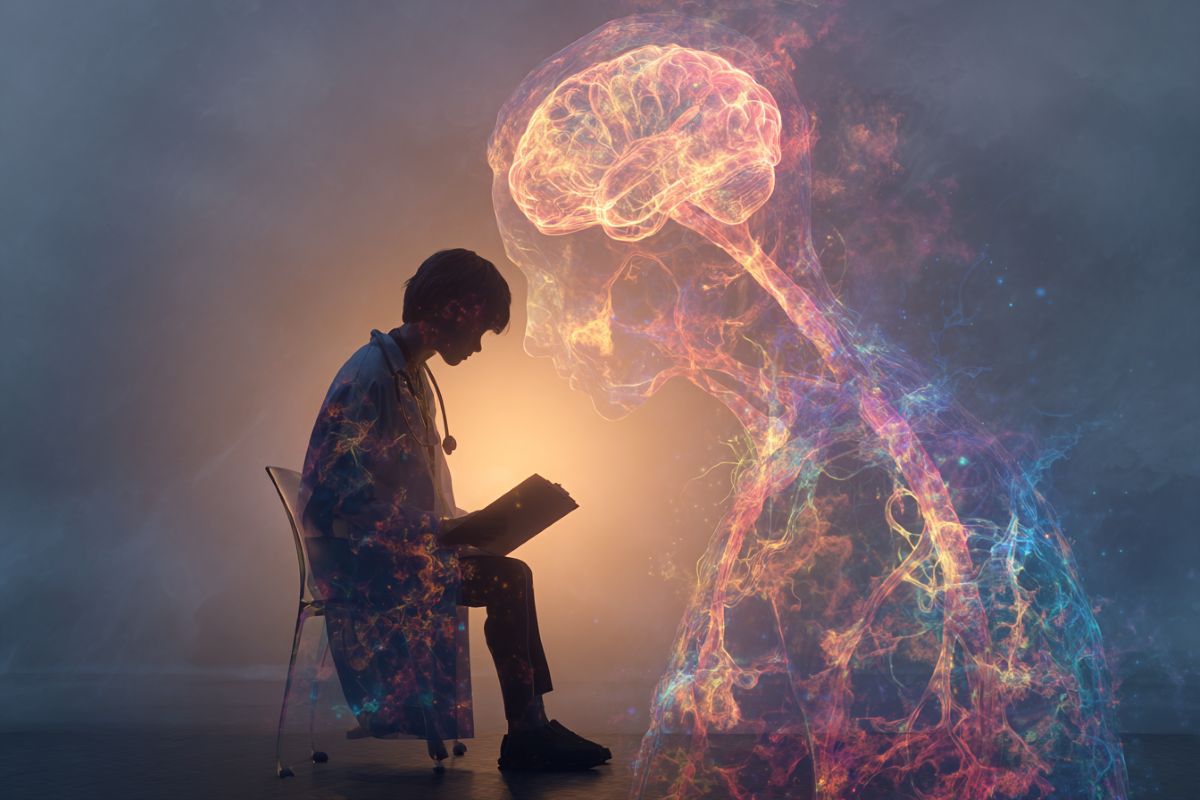
We often think of neurological diseases in purely medical terms: damaged neurons, cognitive decline, motor dysfunction. But what happens when a disease steals your memories, dissolves your ability to communicate, and fragments your sense of self? Increasingly, healthcare professionals are recognizing that the damage extends far beyond the physical—into the spiritual realm.
A compelling new paper is challenging the medical community to acknowledge what patients and families have long understood: neurological diseases like Parkinson's, dementia, and others create profound spiritual distress that deserves clinical recognition and care.
**The Hidden Crisis in Brain Disease**
When we receive a diagnosis of a degenerative neurological condition, the immediate focus is on managing symptoms—slowing cognitive decline, improving mobility, managing medications. But these diseases attack something more fundamental: our identity itself. They strip away the memories that make us who we are, compromise our ability to express ourselves, and disconnect us from our sense of purpose and meaning.
For many patients and their loved ones, this existential dimension of illness is the most devastating aspect. A person may grieve not just the loss of physical abilities, but the loss of their former self—their personality, their relationships, their sense of spiritual connection.
**Why Spiritual Distress Is a Clinical Matter**
The paper's central argument is straightforward yet revolutionary: spiritual distress is not merely an emotional or psychological byproduct of brain disease—it's a clinical reality that requires medical attention.
This distinction matters profoundly. When we acknowledge spiritual distress as a legitimate clinical concern, we open the door to addressing it as part of comprehensive patient care. It means considering how treatment plans affect not just physical symptoms, but also a patient's ability to maintain meaning, connection, and purpose.
For believers, this might involve supporting their faith practices and community. For others, it might mean helping them find meaning through relationships, creative expression, or legacy work. The specific form varies, but the underlying need is universal: humans require a sense of meaning to maintain wellbeing.
**A New Model of Care**
Recognizing spiritual distress as clinical reality suggests we need a more holistic approach to neurological disease. Healthcare teams should include not only neurologists and therapists, but also spiritual care professionals—chaplains, counselors, and community leaders who can help patients navigate the existential dimensions of illness.
This doesn't require abandoning medical treatment or scientific rigor. Rather, it means recognizing that optimal care addresses the whole person: body, mind, and spirit. A patient whose spiritual needs are being met may experience better overall outcomes and quality of life, even as their neurological condition progresses.
**Moving Forward**
For patients living with neurological disease and their families, this perspective offers validation: your spiritual struggle is real, it matters, and it deserves attention. For healthcare providers, it's a call to expand how we understand and treat brain disease—acknowledging that preserving human dignity and meaning is just as important as managing physical symptoms.
The brain may be failing, but the need for spiritual care endures.
No comments yet. Be the first!